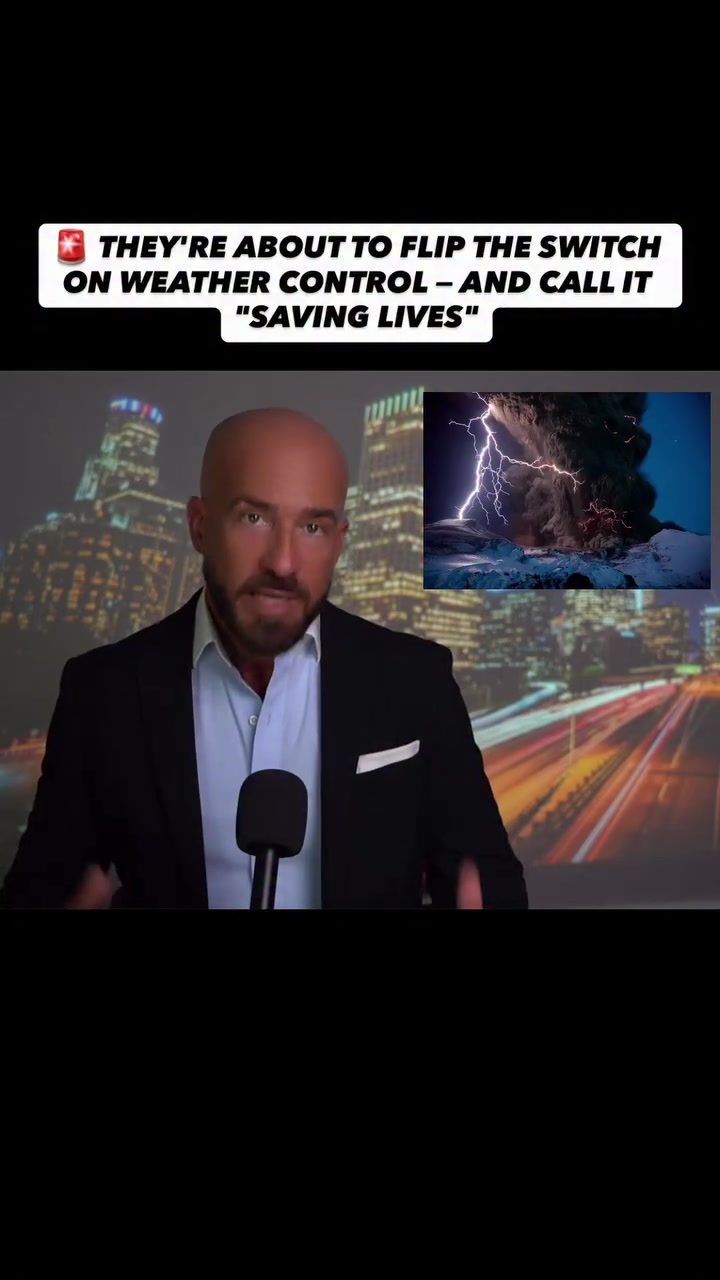
Weather Control Technology: The Rise of Weather Jiu-Jitsu
Weather control technology is increasingly becoming a topic of significant interest. Researchers are proposing a new concept called "Weather Jiu-Jitsu," which aims to use artificial intelligence (AI), cloud seeding, and atmospheric intervention to manage and mitigate the impacts of severe weather events. This approach is being hailed as a potential solution to various environmental challenges, including wildfires, heat waves, and devastating storms.
The idea behind Weather Jiu-Jitsu is to leverage advanced technologies to manipulate weather patterns in a way that can save lives and protect infrastructure. By using AI simulations, researchers claim that they can shift hurricanes off course, weaken heat waves, and reduce flooding. For instance, simulations have shown that Hurricane Sandy could have been pushed almost 300 miles away from New York, potentially saving countless lives and reducing property damage. Similarly, the 2021 Texas freeze could have been less severe if similar interventions had been applied.
Why This Matters
The concept of weather control has gained traction due to the increasing frequency and intensity of extreme weather events. With climate change exacerbating these conditions, the ability to intervene and mitigate the impacts of such events becomes crucial. The recent record-breaking hurricanes, floods, and heat waves in various parts of the world have highlighted the urgent need for innovative solutions. Weather Jiu-Jitsu offers a promising approach to address these challenges.
Historical Context
Weather modification techniques, such as cloud seeding, have been in use for decades. Cloud seeding, which involves dispersing substances into the air to induce precipitation, was first conducted in New York in 1946. Since then, various programs have been developed and implemented both domestically and internationally. However, it is only in recent years that scientists have been able to provide concrete evidence of the effectiveness of these methods. For example, significant advancements were made in 2017, proving that cloud seeding can be an effective tool for weather modification.
Current Programs and Technologies
Several states in the U.S., including Colorado, California, Texas, and Idaho, have weather modification programs that are state-funded. These programs are designed to address specific weather-related issues, such as droughts and wildfires. The technology behind these programs involves a combination of cloud seeding, AI simulations, and atmospheric intervention. By using these tools, researchers can predict weather patterns more accurately and intervene to mitigate the impacts of severe weather events.
Potential Benefits and Challenges
The potential benefits of weather control technology are vast. By manipulating weather patterns, it is possible to reduce the frequency and severity of natural disasters, thereby saving lives and protecting infrastructure. For example, AI simulations can help predict the path of hurricanes and other severe storms, allowing for better preparedness and evacuation plans. Similarly, cloud seeding can be used to induce rainfall in drought-stricken areas, mitigating the impacts of water scarcity.
However, there are also significant challenges associated with weather control technology. One of the main concerns is the ethical and regulatory framework surrounding the use of such technology. Who gets to decide when and how to intervene in weather patterns? The potential for misuse or unintended consequences is a valid concern that needs to be addressed. Additionally, the technology is still in its early stages, and more research is needed to fully understand its capabilities and limitations.
Practical Tips
As weather control technology continues to evolve, it is essential to stay informed about the latest developments and their potential implications. Here are some practical tips for understanding and engaging with this emerging field:
-
Stay Updated: Follow reputable sources of information on weather control technology to stay informed about the latest research and developments. This will help you understand the potential benefits and challenges of this technology.
-
Engage in Conversations: Participate in discussions and debates about the ethical and regulatory implications of weather control technology. Your input can help shape the future of this field and ensure that it is used responsibly.
-
Support Research: Advocate for continued research and development in weather control technology. This will help address the challenges and limitations of current methods and pave the way for more effective solutions.
-
Prepare for Change: As weather control technology becomes more prevalent, it is essential to be prepared for changes in weather patterns and disaster management strategies. Stay informed about local weather modification programs and how they might impact your community.
Important Takeaways
Weather control technology, particularly the concept of Weather Jiu-Jitsu, represents a significant advancement in our ability to manage and mitigate the impacts of severe weather events. By leveraging AI, cloud seeding, and atmospheric intervention, researchers can potentially save lives, protect infrastructure, and reduce the frequency and severity of natural disasters. However, it is crucial to address the ethical and regulatory challenges associated with this technology to ensure that it is used responsibly and effectively.
Conclusion
As extreme weather events become more frequent and intense, the need for innovative solutions becomes increasingly urgent. Weather control technology, with its promise of manipulating weather patterns to save lives and protect infrastructure, offers a glimmer of hope. By staying informed, engaging in discussions, and supporting research, we can help shape the future of this field and ensure that it is used to its fullest potential. The journey towards mastering weather control is just beginning, and the stakes are high, but the potential benefits are immense.
Questions readers ask
How does AI enhance cloud seeding techniques in Weather Jiu-Jitsu?
AI enhances cloud seeding by providing precise weather predictions. This allows researchers to determine the optimal locations and times for seeding, increasing the effectiveness of cloud seeding techniques.
Can AI really control the path of a hurricane?
While AI can't physically control a hurricane, it can predict its path with high accuracy. By using these predictions, weather control programs can use cloud seeding to alter the hurricane's trajectory and reduce its impact on heavily populated areas.
What role does cloud seeding play in mitigating severe weather?
Cloud seeding is used to modify weather patterns. For instance, it can stimulate precipitation to relieve drought conditions, or it can disrupt the structure of storms to reduce their intensity, thereby mitigating the impact of severe weather events.
How can AI help in reducing the impact of floods?
AI can help in reducing the impact of floods by analyzing vast amounts of weather data and predicting where heavy rainfall is most likely to occur. This information can be used to implement targeted cloud seeding efforts to disperse rainfall over a larger area, thereby reducing the risk of flooding.
What are the potential benefits of using AI for weather prediction in Weather Jiu-Jitsu?
AI can significantly improve the accuracy and timeliness of weather predictions, allowing for more effective planning and response to severe weather events. This can lead to better protection of lives and infrastructure, as well as more informed decision-making in various industries.
Related deep dives
Similar reads based on topic and creator.

Recent articles
Fresh deep dives from the latest Reels we unpacked.




Comments
Be the first to comment.