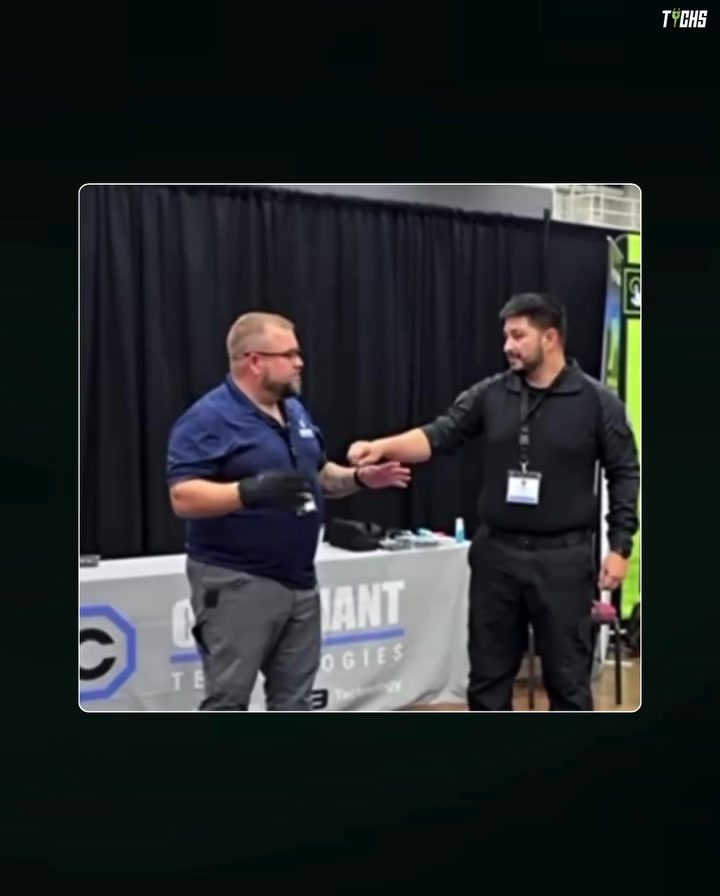
The G.L.O.V.E.: A Non-Lethal Conductive Distraction Device
The G.L.O.V.E, or Generated Low Output Voltage Emitter, is a wearable device designed for law enforcement and corrections officers. It delivers a painful electrical shock through direct skin contact, providing a non-lethal option for controlling and de-escalating physical encounters. This device is currently being considered by techsICE, the technology division of the U.S. Immigration and Customs Enforcement (ICE), for a significant investment.
What is the G.L.O.V.E.?
The G.L.O.V.E. is a glove-like device designed to deliver electrical pulses through the skin. Manufactured by Compliant Technologies, it functions as a tactile distraction and de-escalation tool. The device uses a rechargeable 3.7V lithium-ion battery to deliver electrical shocks that can subdue an individual without the need to fire probes, unlike traditional Tasers. The glove is equipped with sensors that light up blue when activated, indicating it is ready to use.
The hand-held device is designed for officers to use in a variety of scenarios, including pat-downs, weapon searches, and cell extractions. The technology allows officers to restrain individuals with minimal physical contact, reducing the risk of injury to both the officer and the subject.
What is the G.L.O.V.E. for?
The G.L.O.V.E. is designed to be a hands-off, non-lethal tool for law enforcement and corrections officers. It allows for direct application to the skin, making it a versatile option for various types of interactions, including pat-downs, weapon searches, and cell extractions. Its primary function is to provide a method of control and de-escalation during physical encounters. This is particularly useful in situations where an officer needs to restrain an individual without causing serious harm.
During the demonstration, an officer can make an application on the individual’s skin, allowing for immediate and effective control. The device is designed to work on skin, ensuring that it can be used in a variety of scenarios, including pat-downs, weapon searches, and cell extractions. The officer can make a transition to skin wherever they deem it necessary based on the use of force policies of the department. The device is designed to deliver electrical pulses that are painful but non-lethal, providing an effective method of control and de-escalation.
How Does the G.L.O.V.E. Work?
The G.L.O.V.E. operates by delivering electrical pulses through direct skin contact. The device is equipped with a rechargeable 3.7V lithium-ion battery, which powers the electrical pulses. When the device is activated, a blue light indicates that it is ready to use. The officer can then make an application on the individual’s skin, delivering a painful electrical shock that can subdue the individual.
The device is designed to work on skin, making it a versatile option for a variety of scenarios. The officer can make a transition to skin wherever they deem it necessary based on the use of force policies of the department. The device is designed to deliver electrical pulses that are painful but non-lethal, providing an effective method of control and de-escalation.
Practical Tips
Using the G.L.O.V.E. effectively requires proper training and adherence to use of force policies. Here are some practical tips for law enforcement and corrections officers:
- Understand the Device: Familiarize yourself with the G.L.O.V.E. and the specific uses of force policies in your department. Ensure you know how to activate, use, and deactivate the device.
- Training and Practice: Regularly practice using the G.L.O.V.E. in controlled environments. Understand the physical impact that the electrical shocks to the skin can have on the subject.
- Force Policy Guidelines: Always follow use of force policies and guidelines. The device is designed for non-lethal control, but it can still cause discomfort and be dangerous to individuals with certain medical conditions, such as heart issues.
- Subject Monitoring: After using the G.L.O.V.E., closely monitor the subject for any adverse reactions or injuries. This should include a medical assessment if necessary.
- Documentation: Document every use of the device. This documentation is essential for accountability and can be used to justify the use of force in legal proceedings.
Important Takeaways
The G.L.O.V.E. is a valuable addition to the law enforcement toolkit, providing a non-lethal option for controlling and de-escalating physical encounters. Its effectiveness and safety, however, depend on proper training, adherence to use of force policies, and thorough documentation. The decision by techsICE to invest in this technology highlights its potential for making law enforcement operations more effective and safer.
Conclusion
The G.L.O.V.E. represents a significant advancement in non-lethal control and de-escalation tools for law enforcement. Its design allows officers to control and restrain individuals effectively while minimizing the risk of serious injury. As with any use of force tool, proper training and adherence to guidelines are crucial for ensuring its safe and effective use.
Questions readers ask
How does the G.L.O.V.E. device function in law enforcement situations?
The G.L.O.V.E. device delivers an electrical shock through direct skin contact, allowing law enforcement officers to control and de-escalate physical encounters without resorting to lethal force. This hands-off approach minimizes physical contact, making it suitable for various situations like pat-downs, searches, and cell extractions.
What makes the G.L.O.V.E. device a non-lethal option for law enforcement?
The G.L.O.V.E. device is designed to deliver a painful but non-lethal electrical shock. The shock is intended to distract and deter, rather than cause serious harm, making it an important tool for law enforcement officers in need of a non-lethal option for controlling and de-escalating encounters.
Which agency is considering the G.L.O.V.E. device for use in law enforcement?
The techsICE division of the U.S. Immigration and Customs Enforcement (ICE) is currently evaluating the G.L.O.V.E. device for potential use. The device's non-lethal approach to de-escalation and control is particularly beneficial in maintaining safety during law enforcement encounters.
What power source does the G.L.O.V.E. device use?
The G.L.O.V.E. device uses a rechargeable 3.7V lithium-ion battery. This power source is easily rechargeable and ensures that the device is always ready for use, providing a reliable energy supply for the electrical shocks it delivers.
Who manufactures the G.L.O.V.E. device?
The G.L.O.V.E. device is manufactured by Compliant Technologies. This company specializes in developing non-lethal tools for law enforcement, ensuring that the device meets the necessary standards and specifications for use in the field.
How does the G.L.O.V.E. device help officers maintain a hands-off approach?
The G.L.O.V.E. device allows officers to control and de-escalate situations with minimal physical contact. By delivering electrical shocks through skin contact, it provides a way for officers to intervene without the need for direct physical engagement, reducing the risk of injury to both officers and suspects.
What is the primary benefit of the G.L.O.V.E. device for law enforcement?
The primary benefit of the G.L.O.V.E. device is its ability to provide a non-lethal option for controlling and de-escalating encounters. This hands-off approach allows officers to maintain safety and control in a variety of situations, making it a valuable addition to law enforcement tools without the need for significant physical contact.
Related deep dives
Similar reads based on topic and creator.




Recent articles
Fresh deep dives from the latest Reels we unpacked.




Comments
Be the first to comment.