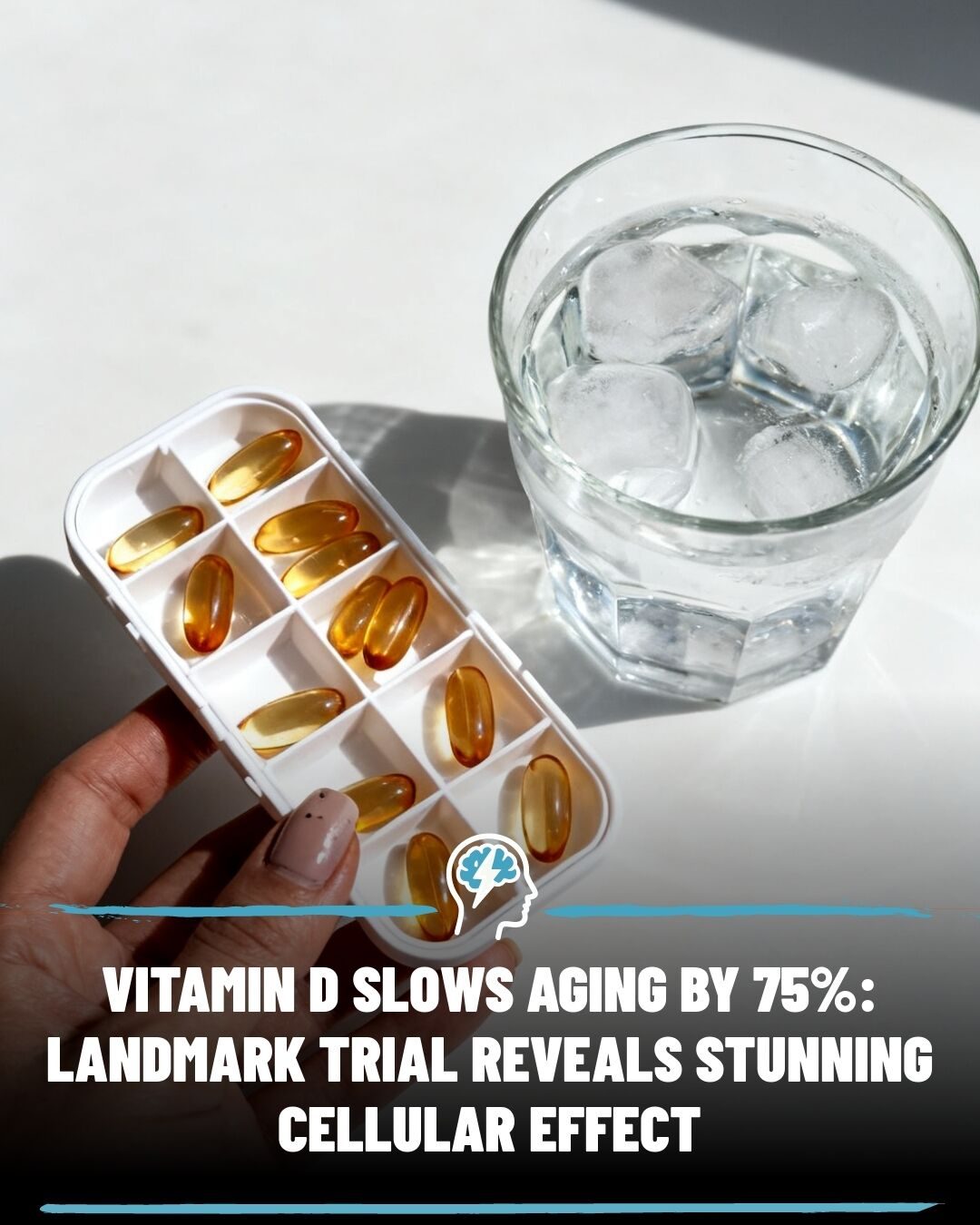
Vitamin D3, a crucial nutrient, may play a significant role in slowing down cellular aging, particularly for adults over 50. This insight comes from a major randomized controlled trial that tracked roughly 1,000 adults for four years. The study participants were divided into two groups: one received 2,000 IU of vitamin D3 daily, while the other took a placebo.
Why this matters
Understanding the impact of vitamin D3 on aging is more than just an academic curiosity. It has profound implications for public health, especially in an aging population. As people age, their bodies undergo various changes that can lead to chronic diseases and a reduced lifespan. Any intervention that can potentially slow this process is of great interest to researchers, healthcare providers, and the general public.
The study revealed that those taking vitamin D3 showed significantly less telomere shortening compared to the placebo group. This finding suggests that vitamin D3 may play a crucial role in protecting cellular health over time. Telomeres, often likened to the plastic tips on shoelaces, sit at the ends of chromosomes and protect genetic material from fraying. Every time a cell divides, telomeres get a little shorter. When they become too short, cells stop functioning properly, leading to aging, chronic disease, and reduced lifespan.
Telomere shortening and what vitamin D3 does about it
Telomeres are essential for cellular health and longevity. Their shortening is a natural part of the aging process, but certain factors can accelerate it. Vitamin D3, through its effects on inflammation and cellular repair pathways, may help preserve these protective caps.
Inflamation and cellular repair pathways
One of the key mechanisms by which vitamin D3 may impact aging is through its effects on inflammation and cellular repair pathways. Chronic inflammation has been linked to accelerated telomere shortening and various age-related diseases. By reducing inflammation, vitamin D3 may help slow this process. Additionally, vitamin D3 plays a role in cellular repair pathways, which are crucial for maintaining the integrity of telomeres and overall cellular health.
Vitamin D3 may reduce inflammation markers and autoimmune disease risk
The study also found that participants taking vitamin D3 had reduced inflammation markers and a lower risk of autoimmune diseases. This further supports the idea that vitamin D3 has a multifaceted role in promoting healthy aging. By reducing inflammation and supporting immune function, vitamin D3 may help protect against age-related diseases and maintain overall health.
Important context
While the findings are promising, it's essential to consider a few caveats. Telomere length represents just one pathway of biological aging, not the whole picture. The researchers described this as "a promising role in slowing a pathway for biological aging." It is not a magic reversal of the aging process. Additionally, results can vary by individual. Factors like baseline vitamin D levels, sun exposure, diet, genetics, and overall health can all influence how your body responds to supplementation.
Practical tips
If you're considering vitamin D3 supplementation, there are a few practical tips to keep in mind.
Consult with a healthcare provider
Before starting any new supplement regimen, it's crucial to talk with a healthcare provider. They can help you determine if vitamin D3 supplementation is right for you and, if so, the appropriate dosage.
Test your vitamin D levels
Testing your vitamin D levels is an essential first step. Too much or too little vitamin D can cause issues, so it's important to find the right balance. Your healthcare provider can order a blood test to check your vitamin D levels and make recommendations based on the results.
Consider other lifestyle factors
While vitamin D3 may play a role in slowing cellular aging, it's essential to consider other lifestyle factors as well. Adequate sleep, a balanced diet, regular physical activity, and stress management are all crucial for healthy aging. Vitamin D3 supplementation should be part of a holistic approach to health and wellness, not a replacement for these foundational habits.
Important takeaways
This research adds to the growing body of evidence that adequate vitamin D3 status supports healthy aging. While vitamin D3 may play a role in protecting cellular health and slowing telomere shortening, it's just one piece of the puzzle. A holistic approach that includes a balanced diet, regular physical activity, and other healthy habits is essential for supporting overall health and longevity.
Conclusion
Vitamin D3 supplementation may offer a promising role in slowing a pathway for biological aging. By reducing inflammation and supporting cellular health, vitamin D3 may help protect against age-related diseases and maintain overall health. However, it's essential to consider other lifestyle factors and consult with a healthcare provider before starting any new supplement regimen. Adequate vitamin D3 status, along with a balanced diet, regular physical activity, and other healthy habits, can support healthy aging and overall well-being.
Questions readers ask
What is the significance of the recent trial on vitamin D3 and aging?
The trial indicates that vitamin D3 supplementation may help slow down the aging process by reducing telomere shortening, which is a key marker of cellular aging. This is particularly relevant for adults over 50.
How much vitamin D3 was given to participants in the trial?
Participants in the trial received a daily dose of 2,000 IU of vitamin D3. This dosage was compared to a placebo to assess its impact on telomere length.
What are telomeres and why are they important in the context of this study?
Telomeres are protective caps at the ends of chromosomes that shorten over time as cells divide. Shorter telomeres are associated with aging and age-related diseases, so preventing this shortening is a key factor in maintaining cellular health.
Who would benefit most from vitamin D3 supplementation based on the trial results?
The trial focused on adults over 50, suggesting that this age group may experience the most benefits from vitamin D3 supplementation in terms of slowing cellular aging and protecting cellular health.
What are the implications of these findings for public health?
These findings are significant for public health, as they suggest a potential intervention to slow the aging process and reduce the risk of chronic diseases in an aging population.
What is the importance of Vitamin D3 in the context of aging?
Vitamin D3 is a crucial nutrient that plays a significant role in various bodily functions, including bone health and immune function. The trial's results suggest it also contributes to cellular health and longevity, which are essential for healthy aging.
Related deep dives
Similar reads based on topic and creator.




Recent articles
Fresh deep dives from the latest Reels we unpacked.




Comments
Be the first to comment.