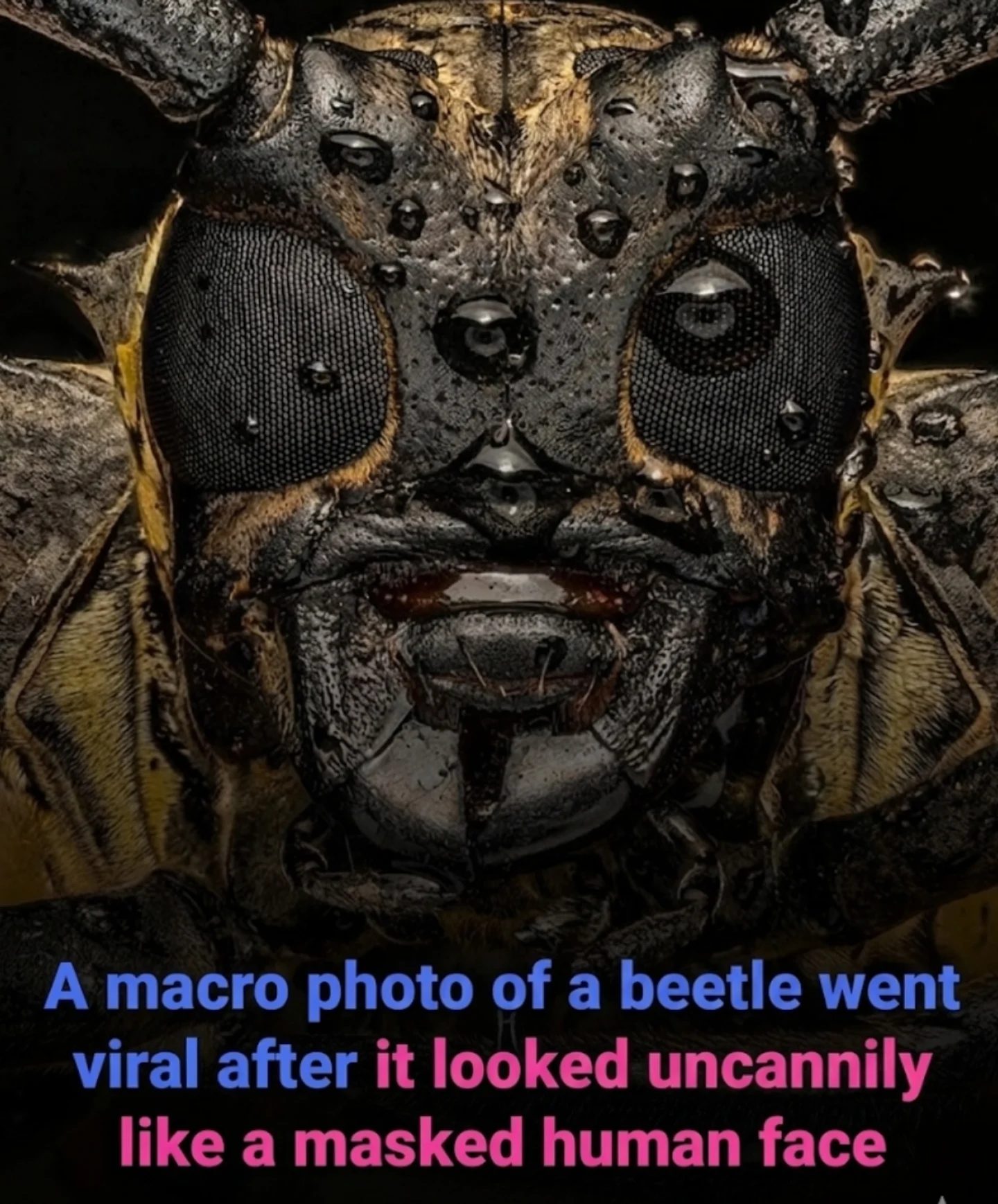
Macro Photography: The Viral White-striped Longhorn Beetle
The viral macro photograph of a White-striped Longhorn Beetle (Batocera lineolata) has captivated audiences worldwide. This extreme close-up, captured by conservation photographer Dara Ojo in Jiaxing, China, has garnered immense attention due to its uncanny resemblance to a masked human face. The photograph exemplifies the phenomenon of pareidolia, where the human brain perceives familiar patterns, such as faces, in inanimate or non-human objects.
How it Works
Pareidolia is a fascinating psychological phenomenon that allows the human brain to recognize patterns and faces in various contexts. This effect is especially pronounced in macro photography, where the intricate details of small subjects are magnified, often revealing surprising similarities to familiar objects. In this case, a strategically placed water droplet mimics a human nose, while the beetle's mandibles and labrum create the illusion of a mouth and chin. This combination of natural features and environmental elements creates a striking visual illusion that has captivated viewers around the world.
Why This Matters
Beyond its viral appeal, Ojo’s work serves a deeper purpose in environmental storytelling. By humanizing the often-overlooked world of entomology, the photograph challenges viewers' typical perceptions of insects as alien or repulsive. Instead, it highlights their intricate beauty and structural complexity.
The image has also turned the White-striped Longhorn Beetle into a global symbol for the wonders of macro photography and the surprising intersections of biology and art.
Enhancing Macro Photography Skills
Mastering macro photography can yield stunning results. Here are some practical tips.
Equipment and Technique
To capture high-quality macro photographs, you need the right equipment. A macro lens is essential for close-up photography, allowing you to capture fine details. A tripod or a sturdy surface is also crucial for stability, especially when shooting at high magnification. This ensures sharp, clear images without camera shake.
Choosing the right lighting is equally important. Natural light can be soft and diffuse, but artificial light sources like ring lights or macro flash units can provide the necessary brightness and contrast.
Composition and Focus
Composition plays a vital role in macro photography. Pay attention to the background and framing to enhance the subject. Using a shallow depth of field can help isolate the subject, making it stand out against a blurred background.
Focus is another critical aspect. Macro lenses often have a narrow depth of field, so precise focus is essential. Techniques like focus stacking, where multiple images at different focus points are combined, can help achieve sharpness throughout the subject.
Environmental Factors
The environment around the subject can significantly impact the photograph. In Ojo’s case, the presence of a water droplet enhanced the illusion of a human face. Being observant of your surroundings and how they interact with your subject can create unique and captivating images.
Patience and timing are also key factors. Insects and other small subjects can move quickly, so being ready to capture the perfect moment is crucial. Sometimes, waiting for the right light or a particular behavior can make all the difference in creating a memorable photograph.
Post-Processing
Post-processing can enhance the final image, but it should be used judiciously. Adjusting contrast, brightness, and saturation can bring out details and make the subject pop. However, be careful not to overdo it, as natural tones often convey more authenticity and beauty.
Important Takeaways
Macro photography of insects like the White-striped Longhorn Beetle offers a unique perspective on the natural world. It reveals intricate details and patterns that are often overlooked and challenges our perceptions of these creatures. By using the right techniques and equipment, anyone can capture stunning macro photographs that showcase the beauty and complexity of the insect world.
Conclusion
The viral macro photograph of the White-striped Longhorn Beetle is more than just a visually striking image; it is a testament to the power of macro photography and the human brain's ability to perceive familiar patterns in unexpected places. This photograph serves as a reminder of the beauty and intricacy of the natural world, encouraging us to appreciate the often-overlooked details around us.
Questions readers ask
What type of beetle is featured in the viral photograph?
The beetle in the viral photograph is a White-striped Longhorn Beetle (*Batocera lineolata*). This species is known for its distinctive stripes and is native to Southeast Asia.
Who captured the viral image of the White-striped Longhorn Beetle?
The viral macro photograph was captured by conservation photographer Dara Ojo in Jiaxing, China. Ojo's work often highlights the intricacies of nature through close-up imagery.
What is pareidolia, and how does it relate to the viral beetle photo?
Pareidolia is a psychological phenomenon where the human brain perceives familiar patterns, such as faces, in inanimate or non-human objects. In the case of the viral beetle photo, pareidolia causes viewers to see a masked human face in the intricate patterns of the beetle's anatomy.
Why is macro photography effective in showcasing pareidolia?
Macro photography is particularly effective in showcasing pareidolia because it magnifies the minute details of small subjects. This magnification allows intricate patterns to become more visible, making it easier for the human brain to perceive familiar shapes and faces.
What is the significance of the viral beetle photo in the context of conservation?
The viral beetle photo, captured by a conservation photographer, can raise awareness about the beauty and diversity of insect species. Such images can inspire interest in and appreciation for the natural world, potentially encouraging viewers to support conservation efforts.
What makes the White-striped Longhorn Beetle's appearance so striking?
The White-striped Longhorn Beetle's appearance is striking due to its distinct striped pattern and large size compared to other beetles. The combination of these features, when captured in extreme close-up, creates a compelling visual that has captivated audiences worldwide.
How can I appreciate pareidolia in other photographs?
To appreciate pareidolia in other photographs, look for images that feature intricate details or abstract patterns. Close-up or macro photography is particularly effective for this purpose. Try to find familiar shapes or faces within the patterns, and you might experience pareidolia for yourself.
Related deep dives
Similar reads based on topic and creator.




Recent articles
Fresh deep dives from the latest Reels we unpacked.




Comments
Be the first to comment.