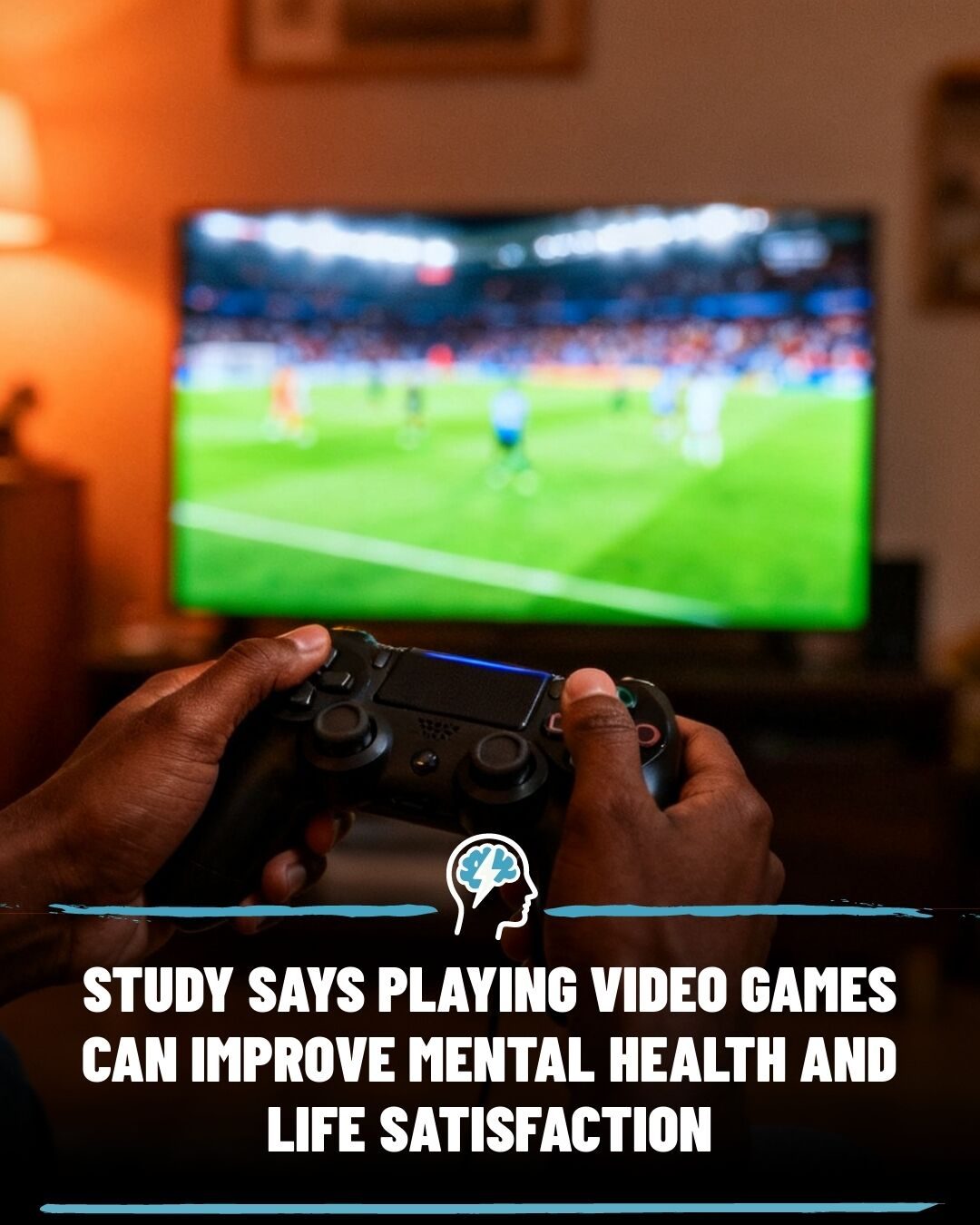
Video Game Mental Health
The mental health benefits of video games are often debated. Recent research, however, suggests that the quality and intention behind gaming have a more significant impact on well-being than the amount of time spent playing. This shifts the focus from the quantity of play to the reasons behind it — and how it fits into your life.
Context
Video games have long been a staple in entertainment for many around the world. Beyond the enjoyment, gaming can now be understood as a potential tool for maintaining mental health. While the actual games and consoles vary, the underlying psychological effects seem to be universal.
Main Discussion
The Study Details
A comprehensive study involving nearly 39,000 players analyzed objective gameplay data. The results were surprising: the amount of time spent gaming had virtually no measurable impact on well-being. The researchers described the effect as "too small to be subjectively noticeable." This finding underscores the idea that it’s the motivation and enjoyment behind gaming, rather than the duration, that truly matters.
Gaming Life Fit
The research introduced the concept of "gaming life fit," which refers to how well gaming aligns with your personal values and needs. Players who genuinely enjoyed gaming and chose to play because they wanted to reported higher levels of positive emotion. Those who felt obligated or pressured to play, however, reported feeling worse. This distinction highlights the importance of personal choice and enjoyment in enhancing well-being.
Psychological Mechanisms
The psychological benefits of gaming are multifaceted. Gaming can offer stress relief, a sense of mastery, social connection, and autonomy. These benefits emerge when play is freely chosen and personally meaningful. When gaming is not a choice, but rather a compulsion or obligation, it can negatively impact mental health.
The Role of PlayStation
For many, the experience of gaming is closely tied to specific consoles like the PlayStation. The PlayStation controller and the immersive experience of playing a soccer game, for example, can offer a sense of control and escape. The study suggests that regardless of the console, the psychological benefits are contingent on the player’s motivation and enjoyment.
Practical Tips
Understanding Your Motivation
Before diving into a gaming session, take a moment to understand your reasons. Are you playing to unwind, to connect with friends, or to achieve a new level? Aligning your gaming with your personal goals and values can enhance the experience and its mental health benefits.
Choosing Games Wisely
Select games that you genuinely enjoy and that fit well with your lifestyle. If you find that certain genres or styles of games cause more stress or pressure, it might be worth exploring different types of games that offer a more relaxed experience.
Setting Boundaries
While the duration of play is less important, setting boundaries can still be beneficial. For example, allocate specific times for gaming to ensure it doesn't interfere with other important aspects of your life, such as work, sleep, or social interactions.
Social Connection
Gaming can be a powerful tool for social connection. Engaging in multiplayer games or joining gaming communities can provide a sense of belonging and create opportunities for meaningful interactions.
Important Takeaways
- Motivation and Enjoyment Matter: The psychological benefits of gaming are closely tied to your reasons for playing and how much you enjoy it.
- Personal Choice: Gaming is beneficial when it is a freely chosen and personally meaningful activity, not when it feels like an obligation.
- Psychological Benefits: Gaming can offer stress relief, a sense of mastery, social connection, and autonomy, but these benefits are contingent on the player’s motivation and enjoyment.
- Quality Over Quantity: The impact of gaming on mental health is not about how long you play, but why you play.
Conclusion
Video gaming can be a valuable tool for enhancing mental health, provided it aligns with your personal values and brings genuine enjoyment. By focusing on the quality of your gaming experience and understanding your motivations, you can harness the psychological benefits of gaming to support your overall well-being.
Related deep dives
Similar reads based on topic and creator.




Recent articles
Fresh deep dives from the latest Reels we unpacked.




Comments
Be the first to comment.