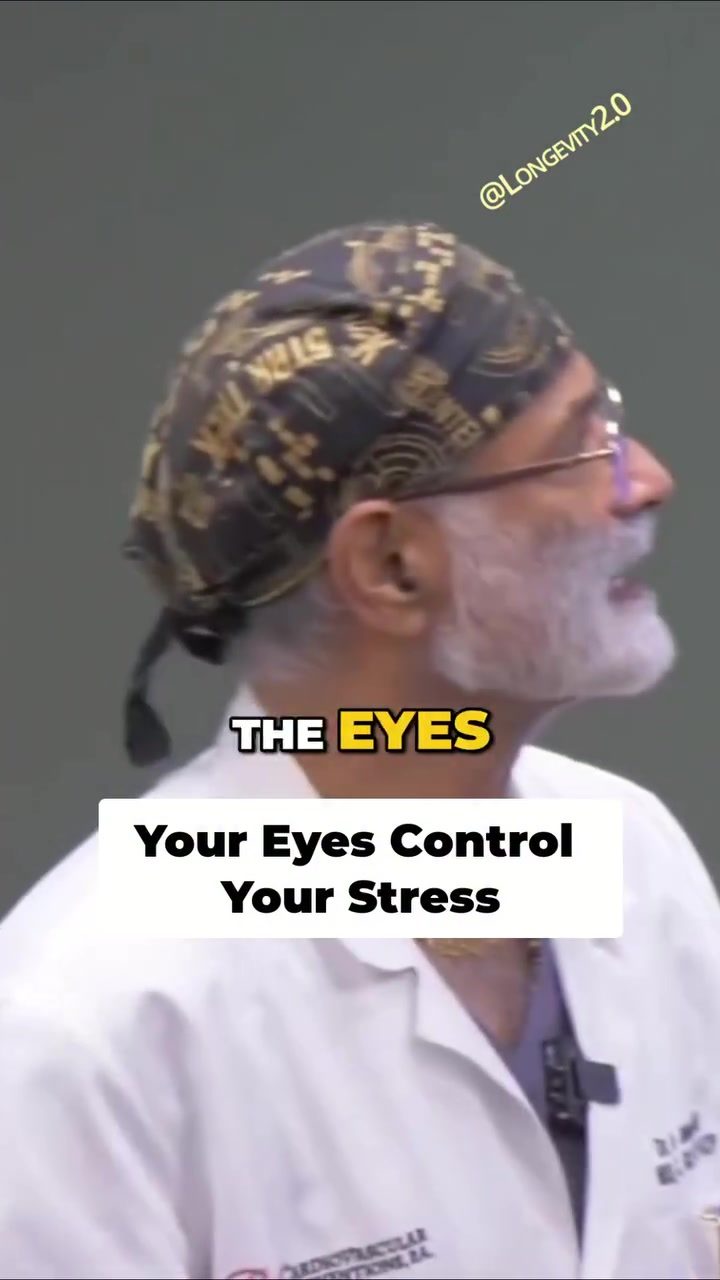
The Vagus Nerve: A Key to Stress Relief
Stress is a ubiquitous part of modern life, affecting both mental and physical health. Understanding how to manage stress effectively is crucial for overall well-being. One often-overlooked aspect of stress management is the role of the vagus nerve, a key player in the parasympathetic nervous system. This system is responsible for slowing the heart rate, promoting relaxation, and aiding the body's recovery after stress.
Context / Why This Matters
The vagus nerve is part of the parasympathetic nervous system, which is often referred to as the "rest and digest" system. Unlike the sympathetic nervous system, which prepares the body for "fight or flight" responses, the parasympathetic system helps the body relax and recover. Stimulating the vagus nerve can therefore help shift the body from a state of stress to a state of calm.
Main Discussion
Understanding the Vagus Nerve
The vagus nerve is the longest cranial nerve in the body, extending from the brainstem to the abdomen. It plays a crucial role in various bodily functions, including heart rate, digestion, and even emotional regulation. By understanding how to stimulate the vagus nerve, individuals can learn to manage stress more effectively.
Techniques to Stimulate the Vagus Nerve
Several techniques can help stimulate the vagus nerve, promoting relaxation and reducing stress. These techniques are simple and can be incorporated into daily routines.
Gentle Eye Massage
One effective method to stimulate the vagus nerve is through gentle eye massage. Placing your hands over your closed eyes and applying a gentle massage can help lower your heart rate. It's important to avoid applying significant pressure, especially if you have any eye conditions. This technique should not be done while driving or in situations where sudden movements could be dangerous.
Eye Movements
Another technique involves moving your eyes from side to side. By looking to the left for five seconds and then to the right for five seconds, you can engage neural pathways involved in relaxation. This simple exercise can help some people feel calmer and more relaxed.
Other Vagal Stimulation Techniques
In addition to the eye techniques, other research-backed methods to support vagal activity include:
- Slow Diaphragmatic Breathing: Deep, slow breathing helps activate the parasympathetic nervous system, promoting relaxation and reducing stress.
- Brief Cold Exposure: Exposing the body to brief periods of cold, such as taking a cold shower or splashing cold water on the face, can stimulate the vagus nerve.
- Meditation: Regular meditation practice can help regulate the nervous system and reduce stress levels.
- Regular Exercise: Physical activity, particularly aerobic exercise, can help reduce stress and improve overall health.
- Quality Sleep: Prioritizing good sleep hygiene can ensure that the body has adequate time to recover and repair, reducing stress levels.
Practical Tips
Incorporating these techniques into your daily routine can help manage stress more effectively. Here are some practical tips to get started:
- Set Aside Time for Relaxation: Dedicate a few minutes each day to practice these techniques. Consistency is key to seeing the benefits.
- Combine Techniques: Use a combination of the above methods to enhance the effectiveness of vagal stimulation. For example, you can practice slow breathing while performing gentle eye movements.
- Be Patient: It may take time to see significant results. Stick with the techniques and be patient with yourself.
Important Takeaways
- Stress isn't Just Emotional: Stress affects both the mind and the body. Understanding how to manage stress through physical techniques can have a profound impact on overall well-being.
- The Power of the Vagus Nerve: The vagus nerve plays a crucial role in regulating stress levels. Learning to stimulate this nerve can help shift the body from a state of stress to a state of relaxation.
- Simple Techniques, Big Impact: Techniques like gentle eye massage and slow eye movements are simple yet powerful ways to manage stress and promote relaxation.
Conclusion
Stress is a natural part of life, but it doesn't have to control your well-being. By understanding the role of the vagus nerve and incorporating simple techniques to stimulate it, you can learn to manage stress more effectively. Whether through gentle eye massage, slow eye movements, or other vagal stimulation techniques, taking control of your stress levels can lead to a healthier, more balanced life.
Questions readers ask
What is the vagus nerve and why is it important for stress relief?
The vagus nerve is a crucial part of the parasympathetic nervous system, often called the 'rest and digest' system. It plays a significant role in stress relief by helping to slow the heart rate, promote relaxation, and aid the body's recovery after stressful events. Stimulating the vagus nerve can therefore help manage stress more effectively.
What are some simple techniques to stimulate the vagus nerve?
Several simple techniques can help stimulate the vagus nerve. These include gentle eye massages, specific eye movements, deep and slow breathing, and humming or singing. These techniques can help activate the parasympathetic nervous system, promoting a sense of calm and relaxation.
How do eye massages help in vagus nerve stimulation?
Eye massages can stimulate the vagus nerve by applying gentle pressure to the eyes and surrounding areas, which are connected to the nerve. This pressure can help to activate the parasympathetic nervous system, reducing stress and promoting relaxation.
What are the medical benefits of stimulating the vagus nerve?
Stimulating the vagus nerve has been linked to various medical benefits, including reduced inflammation, improved mood, and better cardiovascular health. It can also aid in digestion, promote better sleep, and even enhance longevity by helping the body manage stress more effectively.
Can vagus nerve stimulation techniques be used alongside other stress management methods?
Yes, vagus nerve stimulation techniques can be easily integrated into other stress management routines. Combining these techniques with practices like mindfulness, yoga, or deep breathing exercises can enhance overall stress relief and promote a greater sense of well-being.
Are there any risks associated with vagus nerve stimulation techniques?
Generally, the techniques for stimulating the vagus nerve are safe and non-invasive. However, individuals with certain medical conditions, such as epilepsy or heart conditions, should consult a healthcare professional before trying these techniques. It's always best to approach new stress management methods with caution if you have underlying health issues.
How can I incorporate vagus nerve exercises into my daily routine?
You can incorporate vagus nerve exercises into your daily routine by setting aside a few minutes each day for practices like deep breathing, humming, or gentle eye massages. These exercises can be done in the morning to start the day with calm, in the evening to unwind, or anytime you feel stressed.
Recent articles
Fresh deep dives from the latest Reels we unpacked.




Comments
Be the first to comment.