The Intersection of Government Communication and Pop Culture Memes
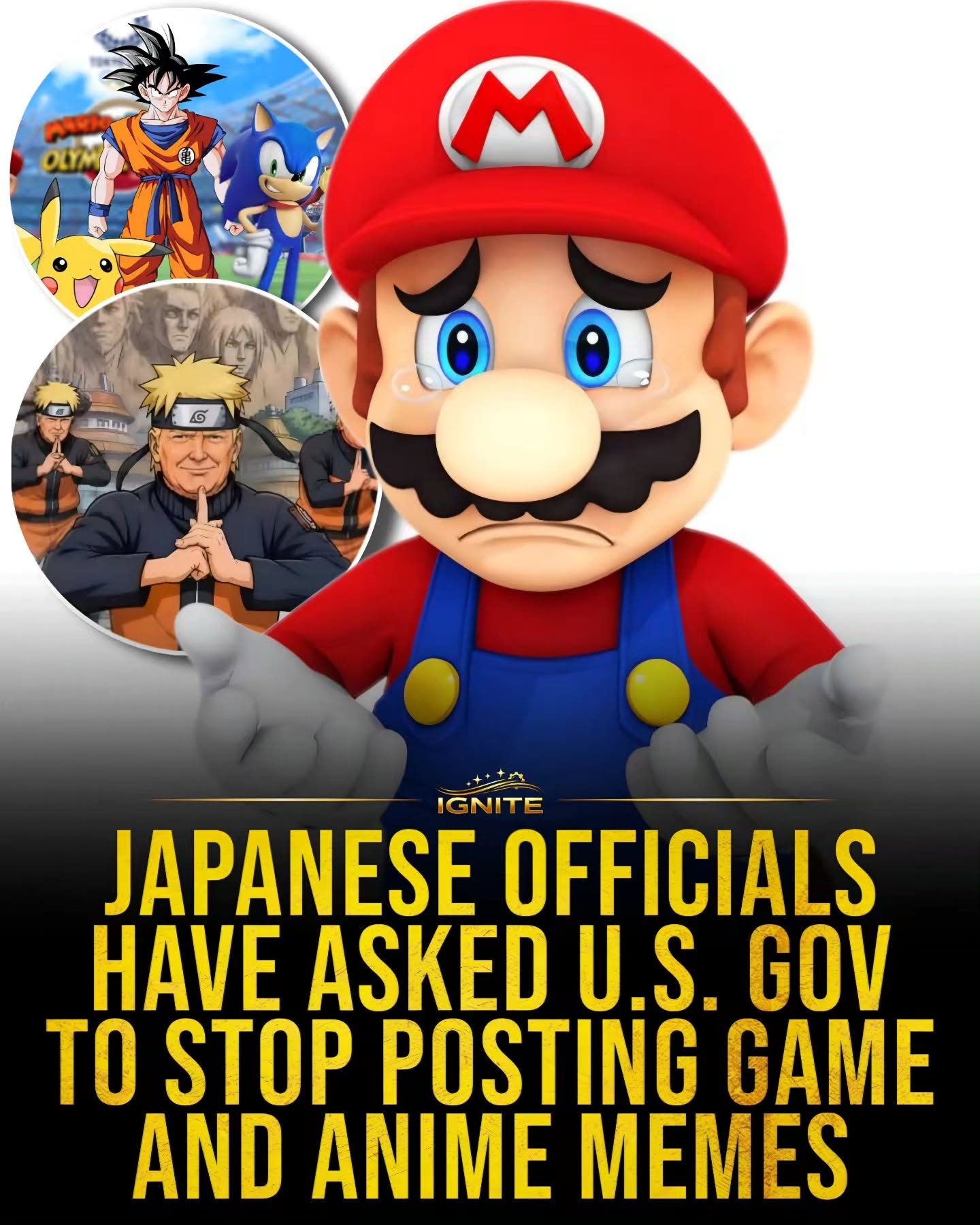
The use of pop culture memes by government agencies has become a contentious issue, with Japanese officials reportedly asking the U.S. government to refrain from using iconic characters from popular franchises like Mario, Pokémon, and Naruto in their memes and social media posts. This request has sparked a lively debate online, with varying opinions on whether such actions are harmless fun or a breach of copyright and professionalism.
Why This Matters
In today's digital age, social media has become a powerful tool for communication, even for government agencies. Memes, with their ability to convey messages quickly and engagingly, have been adopted by many official accounts to reach a wider audience. However, this practice raises questions about copyright, professionalism, and the appropriateness of using pop culture references in official communications. The recent request from Japanese officials highlights the complexities and potential pitfalls of this trend.
The Debate: Harmless Fun vs. Copyright and Professionalism
The Argument for Harmless Fun
Some viewers see the use of pop culture memes by government agencies as a light-hearted way to connect with the public. Memes are a universal language in the digital world, and using them can make official communications more relatable and accessible. Proponents argue that these memes are often created to address serious issues in a more digestible format, making complex topics easier to understand.
For instance, a government agency might use a popular anime character to discuss cybersecurity, making the information more engaging and shareable. This approach can help reach younger audiences who might not otherwise engage with formal government communications. Additionally, memes can humanize government agencies, making them appear more approachable and less intimidating.
The Argument for Professionalism and Copyright
On the other hand, critics contend that government agencies should maintain a level of professionalism and avoid using copyrighted material without proper authorization. Official accounts represent the government and should adhere to strict guidelines regarding the use of intellectual property. Using popular characters and franchises without permission can lead to legal issues and damage the reputation of the agency.
Moreover, the use of pop culture memes can be seen as trivializing important issues. Official communications should be clear, concise, and respectful, focusing on delivering information rather than entertaining the audience. The use of memes might dilute the seriousness of the message and undermine the credibility of the agency.
Pop Culture Characters and Memes: What's at Stake?
Iconic Characters in Government Communication
Characters like Mario, Pikachu, Sonic, Naruto, and Goku are beloved figures in global pop culture. They have a vast and dedicated fanbase, and their images are protected by copyright laws. When government agencies use these characters in memes, they risk violating these laws and potentially facing legal consequences. Japanese officials have rightly raised concerns about the unauthorized use of these characters, as it can set a dangerous precedent for the misuse of intellectual property.
The Importance of Permission
Using pop culture characters without permission can also lead to misunderstandings and misinterpretations. For example, a government agency might use a character in a way that is inconsistent with the character's original portrayal, leading to confusion among fans and critics. This can lead to backlash and negatively impact the agency's reputation.
To avoid these issues, it's essential for government agencies to obtain the necessary permissions and licenses before using copyrighted material. This ensures that the use of pop culture characters is lawful, respectful, and aligned with the agency's objectives.
Practical Tips for Government Agencies
If government agencies wish to use pop culture references in their communications, they should follow these practical tips:
1. Seek Permission
Before using any copyrighted material, obtain the necessary permissions and licenses. This ensures that the use of pop culture characters is lawful and respectful.
2. Choose Relevant References
Select pop culture references that are relevant to the message being conveyed. This ensures that the meme is meaningful and adds value to the communication.
3. Maintain Professionalism
While pop culture memes can be engaging, it's important to maintain a level of professionalism. Ensure that the memes are respectful, clear, and aligned with the agency's objectives.
4. Monitor Feedback
Pay attention to the feedback and responses from the audience. This helps in understanding the impact of the memes and making necessary adjustments.
5. Consider Alternatives
If using pop culture memes is not feasible, consider other creative ways to engage the audience. This could include using original content, leveraging user-generated content, or collaborating with influencers.
Important Takeaways
The debate over the use of pop culture memes by government agencies highlights the need for careful consideration and adherence to copyright laws. While memes can be a powerful tool for communication, they must be used responsibly and respectfully.
- Seek Permission: Always obtain the necessary permissions before using copyrighted material.
- Relevance Matters: Ensure that the memes are relevant and add value to the communication.
- Maintain Professionalism: Uphold a level of professionalism and respect in all communications.
- Monitor Feedback: Pay attention to audience feedback and make necessary adjustments.
- Consider Alternatives: Explore other creative ways to engage the audience if memes are not an option.
Conclusion
The intersection of government communication and pop culture memes is a nuanced and evolving topic. While memes can make official communications more engaging, they also raise important questions about copyright, professionalism, and the appropriateness of using pop culture references. By following best practices and obtaining the necessary permissions, government agencies can leverage the power of memes while avoiding potential pitfalls. Ultimately, the key is to strike a balance between engagement and respect, ensuring that communications are both effective and lawful.
Questions readers ask
Why are Japanese officials asking for a ban on U.S. government memes using iconic characters?
Japanese officials have expressed concerns over the use of popular characters such as Mario, Pokémon, and Naruto in U.S. government memes. They argue this practice may infringe upon copyright laws and could potentially harm the brands' reputations.
What are the benefits of using pop culture memes in government communications?
Government agencies use pop culture memes to make their communications more engaging and relatable. Memes can help convey complex information in a simple, entertaining format, making it more accessible to a wider audience, especially younger demographics.
What legal issues surround the use of copyrighted characters in government memes?
The use of copyrighted characters in government memes can raise legal concerns, particularly if the characters are used without proper licensing or permission. This can lead to potential copyright infringement claims, as seen in the controversy surrounding the use of Mario, Pokémon, and Naruto in government communications.
How have U.S. government agencies responded to the request to ban these memes?
As of now, there has been no official statement from U.S. government agencies regarding the ban request. The debate continues, with some advocating for the continued use of memes for their ability to engage audiences, while others emphasize the importance of adhering to copyright laws and maintaining professionalism in official communications.
What impact could a ban on these memes have on government social media presence?
A ban on the use of popular culture memes could potentially limit the reach and engagement of government social media posts. Memes are a powerful tool for capturing attention and conveying messages quickly, so a reduction in their use might make official communications feel less approachable.
Are there any examples of government agencies successfully using memes in their communications?
Yes, many government agencies have used memes to great effect. For instance, the U.S. National Weather Service and the U.S. Navy have both used memes to communicate important information in a more engaging, accessible way, demonstrating the potential of memes as a communication tool.
What alternatives might government agencies consider if they stop using pop culture memes?
Government agencies could explore creating their own original meme formats, using public domain images, or focusing on textual content and infographics to maintain engagement. Additionally, they could collaborate with artists to create unique, shareable content that aligns with their messaging goals while respecting copyright laws.
Related deep dives
Similar reads based on topic and creator.




Recent articles
Fresh deep dives from the latest Reels we unpacked.




Comments
Be the first to comment.