Camera Tricks and Online Illusions
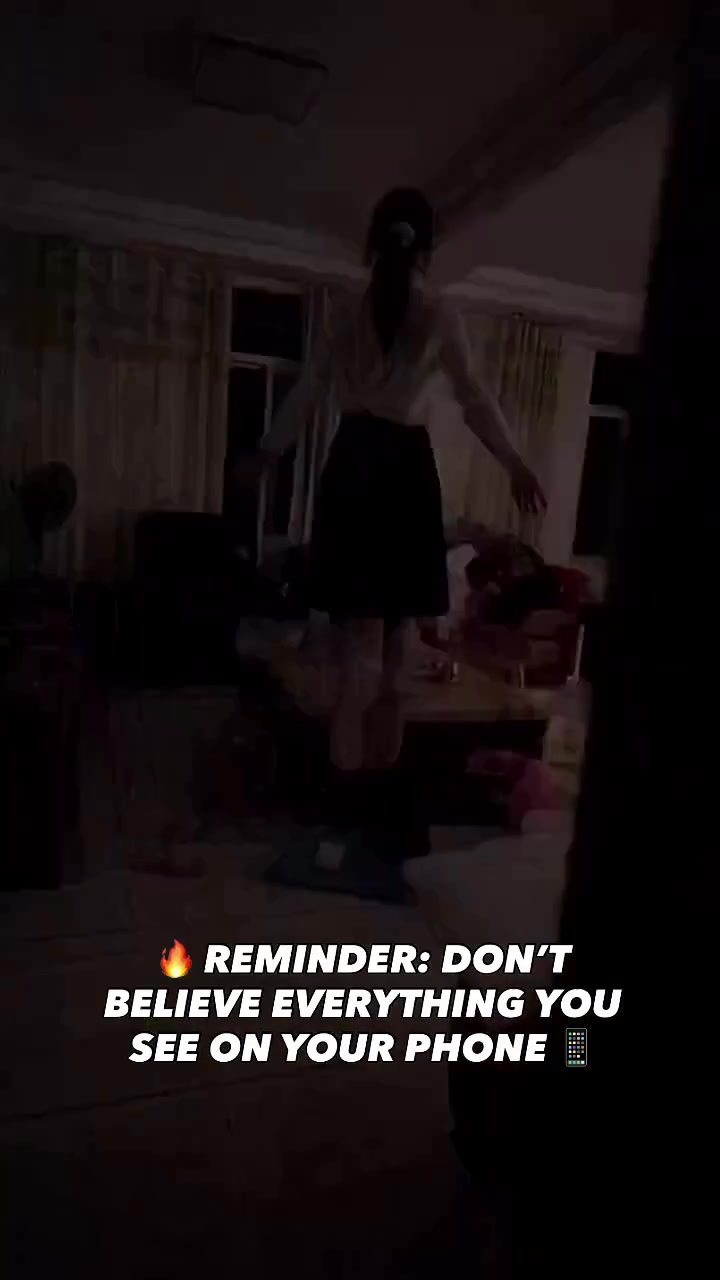
Misinformation is rampant online, and visual tricks are often used to exploit viewers. One common technique involves using camera angles to create illusions. The levitation trick is a prime example of how a skewed camera angle can make a person appear to float in the air. Understanding how this trick works helps to foster a sense of skepticism when viewing online content.
Why This Matters
In today's digital age, we are constantly bombarded with images and videos that can be manipulated to deceive. By learning about common camera tricks, you can better navigate the online landscape and critically evaluate what you see. This is especially important in the realm of social media, where illusions and conspiracies can spread quickly.
How the Levitation Trick Works
The levitation trick relies on clever camera work to create a convincing illusion. Here's a breakdown of the process:
Camera Angle
The key to the levitation trick is the use of a high camera angle. By positioning the camera above the subject, it creates the effect of the person floating. The viewer's perception is altered, making it seem like the person is defying gravity.
Hidden Supports
In many levitation tricks, hidden supports are used to prop up the subject. These supports are often cleverly concealed, blending in with the background or the subject's clothing. In the case of the reel, the person is wearing a dark skirt and top, which helps to hide any supporting structures.
Shadows and Lighting
Another crucial element is the manipulation of shadows and lighting. By controlling the light, the trickster can create the illusion of a floating figure. Shadows can be used to obscure any visible supports, further enhancing the deception.
Post-Production
While the reel does not show any post-production edits, it's essential to recognize that many online illusions are enhanced or even entirely created using digital editing tools. These tools can be used to remove visible supports, smooth out rough edges, and add special effects that make the illusion even more convincing.
Practical Tips for Spotting Illusions
Now that you understand how the levitation trick works, here are some practical tips to help you spot other camera tricks and illusions:
Question the Angle
If something seems impossible, consider the camera angle. High or low angles can distort reality and create illusions. Look for clues in the background or shadows that might give away the trick.
Look for Inconsistencies
Pay attention to any inconsistencies in the scene. If something doesn't quite add up, it could be a sign of manipulation. For example, check for mismatched shadows, unusual lighting, or objects that seem out of place.
Be Skeptical of Perceived Gravity
In real life, gravity is a constant force. If you see someone or something defying gravity, be skeptical. Look for hidden supports, wires, or other mechanisms that might explain the illusion.
Consider the Source
Not all online content is created equal. Be wary of sources that frequently share sensational or unbelievable content. Cross-reference information from multiple sources to verify its authenticity.
Important Takeaways
- Camera tricks, like the levitation illusion, can be highly convincing. They rely on clever use of angles, lighting, and hidden supports.
- Skepticism is key when evaluating online content. Question what you see and look for inconsistencies.
- Post-production tools can be used to enhance or create illusions, making them even more deceptive.
- By understanding common tricks, you can better navigate the online landscape and avoid falling for misinformation.
Conclusion
Camera tricks and illusions are a part of our digital world, but by understanding how they work, you can become a more discerning viewer. The next time you see something that seems too good to be true, remember the levitation trick and apply your newfound knowledge. Stay skeptical, question what you see, and always consider the source.
Questions readers ask
How do camera angles contribute to levitation illusions?
High camera angles are instrumental in creating levitation illusions. By positioning the camera above the subject, the photographer can make it appear as though the subject is floating or levitating. This is because the viewer's perspective is altered, hiding any supports or wires that might be used to keep the subject aloft.
What role do hidden supports play in levitation tricks?
Hidden supports are crucial in levitation tricks as they physically hold the subject in place while appearing to levitate. These supports are cleverly concealed from the camera's view, often blended with the background or strategically positioned to remain out of sight.
Why is strategic lighting important in levitation photography?
Strategic lighting is used to enhance the illusion by casting shadows that obscure the supports or creating a dramatic effect that draws attention away from the trick. Proper lighting can also make the levitating subject appear more ethereal and convincing.
How can I spot manipulated levitation videos on social media?
To spot manipulated levitation videos, look for inconsistencies in shadows, lighting, and the subject's position. Often, the supports or wires are visible if you pause the video at the right moments. Additionally, check for unusual camera movements or angles that seem unnatural for the scene.
What are some common camera angle illusions used in media?
Camera angle illusions in media often involve using extreme high or low angles to distort the subject's appearance. For example, a high angle can make the subject appear smaller or weaker, while a low angle can make them seem more powerful. These techniques are often used in films, advertisements, and social media to create a specific visual effect or mood.
Can I create my own levitation magic tricks with a phone?
Yes, you can create levitation magic tricks with a phone by using a combination of high camera angles, hidden supports, and strategic lighting. Position the phone camera above the subject and use supports like invisible thread or wires to hold the subject in place. Experiment with different angles and lighting to achieve the best effect.
Why is it important to be critical of levitation in media?
Being critical of levitation in media helps you discern genuine content from manipulated or staged content. By understanding the techniques used to create these illusions, you can better navigate the digital landscape and avoid falling for misinformation or deceptive practices.
Related deep dives
Similar reads based on topic and creator.




Recent articles
Fresh deep dives from the latest Reels we unpacked.




Comments
Be the first to comment.