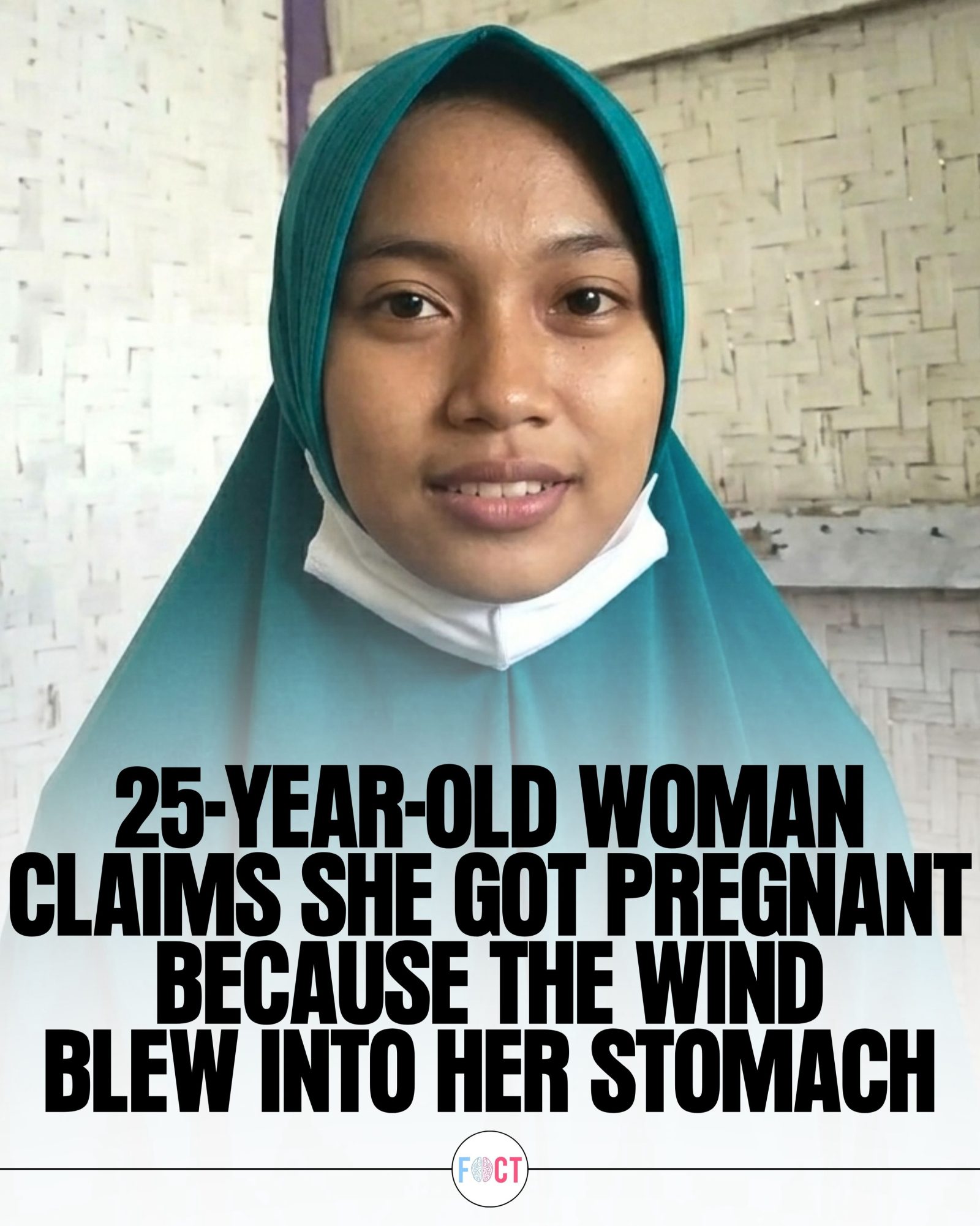
Woman Claims Pregnancy from Wind Blows into Her Stomach
Context / Why This Matters
In 2021, a remarkable claim from a woman named Siti Zainah in Cianjur, West Java, Indonesia, captured global attention. She stated that she became pregnant when a gust of wind blew into her stomach, leading to the birth of a healthy baby girl. This unusual story sparked widespread discussion and drew the attention of both local authorities and medical professionals. Understanding the context and implications of such a claim is essential, especially in communities where pregnancy outside traditional expectations faces stigma and social pressure.
The Case of Siti Zainah
Unusual Event
Siti Zainah, a 25-year-old woman, found herself at the center of an extraordinary narrative. While resting at home, she reported feeling intense abdominal pain shortly after a gust of wind entered her body. This seemingly improbable event culminated in an unexpected pregnancy and the birth of a baby girl. The initial claim attracted significant media coverage and social media chatter, making it a global phenomenon.
Health and Medical Insights
Medical experts and local authorities were compelled to investigate the situation thoroughly. After conducting a detailed inquiry, they concluded that the woman likely experienced a rare condition known as cryptic pregnancy. This condition occurs when a woman is unaware of her pregnancy until labor begins. The mystery surrounding her pregnancy was thus resolved, and it was determined that her separated husband was the biological father.
Cultural and Social Dynamics
Stigma and Pressure
Some conservative communities have stringent expectations regarding pregnancy and marital status. In such environments, stories like Siti Zainah's can arise due to the immense social pressure and stigma associated with pregnancy outside traditional norms. The fear of societal judgment and the pressure to conform to conventional roles can sometimes lead to the creation of elaborate narratives.
Social Media and Virality
The digital age has made it easier for such unusual stories to spread rapidly across social media platforms. The viral nature of this story highlights the power of social media in disseminating information, both accurate and questionable. Platforms like these can amplify stories, making them accessible to a broader audience and sometimes distorting the facts in the process.
Practical Tips for Understanding Unusual Claims
Seeking Medical Expertise
When encountering claims of unusual events, especially those related to health, it is crucial to seek medical expertise. Consulting with healthcare professionals can provide clarity and context, helping to differentiate between rare medical conditions and more extraordinary claims.
Engaging with Social Media with Caution
Social media platforms often present information without proper vetting. When encountering sensational claims, it is essential to verify the information from reliable sources. Critical thinking and fact-checking are invaluable tools in navigating the digital landscape.
Important Takeaways
Context Matters
Understanding the cultural and social context of unusual claims is essential. This context can provide insights into why certain narratives emerge and gain traction. The case of Siti Zainah underscores the importance of considering social dynamics when evaluating such claims.
Transparency and Truth
Health professionals and authorities play a critical role in demystifying unusual events. Their investigations can provide transparency and reveal the truth behind sensational claims, ensuring that the public receives accurate information.
Media Influence
The impact of social media on the spread of information is undeniable. Stories can go viral quickly, often with limited verification. It is essential to engage with such platforms critically, verifying the information from reliable sources and considering the potential influence of social media on public perception.
Conclusion
The claim by Siti Zainah of becoming pregnant from a gust of wind blowing into her stomach is a fascinating and unusual story. It highlights the interplay between medical conditions, social pressures, and the power of social media. Understanding the context and seeking expert insights can help demystify such claims and provide a clearer picture of the underlying issues. This story serves as a reminder of the complex dynamics at play in our modern, interconnected world.
Questions readers ask
What is a cryptic pregnancy and how does it relate to Siti Zainah's claim?
A cryptic pregnancy occurs when a woman is unaware of her pregnancy until late in the term, or even until labor begins. In Siti Zainah's case, medical professionals determined that she experienced a cryptic pregnancy, which explained her belief that the wind had caused her pregnancy, as she had not noticed any typical pregnancy symptoms.
Why did Siti Zainah believe that wind caused her pregnancy?
Siti Zainah attributed her pregnancy to a gust of wind blowing into her stomach because she was unaware of her condition. The lack of typical pregnancy symptoms led her to conclude that the wind was responsible for her pregnancy, as it was the most unusual and notable event she experienced around the time of conception.
How did medical professionals respond to Siti Zainah's claim?
Medical professionals in Indonesia investigated Siti Zainah's case and ultimately concluded that she had experienced a cryptic pregnancy. This diagnosis explained her lack of awareness about her pregnancy, and dispelled the idea that the wind was the cause. Her story serves as an important reminder of the varied ways in which pregnancy can manifest.
What are the common signs of pregnancy that Siti Zainah might have missed?
Common signs of pregnancy include missed periods, morning sickness, frequent urination, fatigue, and breast changes. In the case of a cryptic pregnancy, these signs may be absent or so subtle that the woman does not notice them, as was the case with Siti Zainah. This is why she did not realize she was pregnant until she went into labor.
Why did Siti Zainah's claim gain so much attention?
Siti Zainah's claim gained significant attention due to its unusual nature and the cultural context in which it occurred. The idea of pregnancy by wind is biologically implausible, making it a fascinating and widely discussed topic. Additionally, the stigma and social pressure surrounding pregnancy outside traditional expectations likely contributed to the public's interest in her story.
What can we learn from Siti Zainah's experience about pregnancy symptoms?
Siti Zainah's experience highlights the variability in pregnancy symptoms and the fact that they can be absent or unrecognized in some cases. It is essential for individuals to be aware of the wide range of experiences and to trust their bodies while also seeking medical attention when necessary. Regular check-ups and open communication with healthcare providers can help ensure that pregnancies are monitored appropriately, even when symptoms are minimal or absent.
Related deep dives
Similar reads based on topic and creator.




Recent articles
Fresh deep dives from the latest Reels we unpacked.




Comments
Be the first to comment.