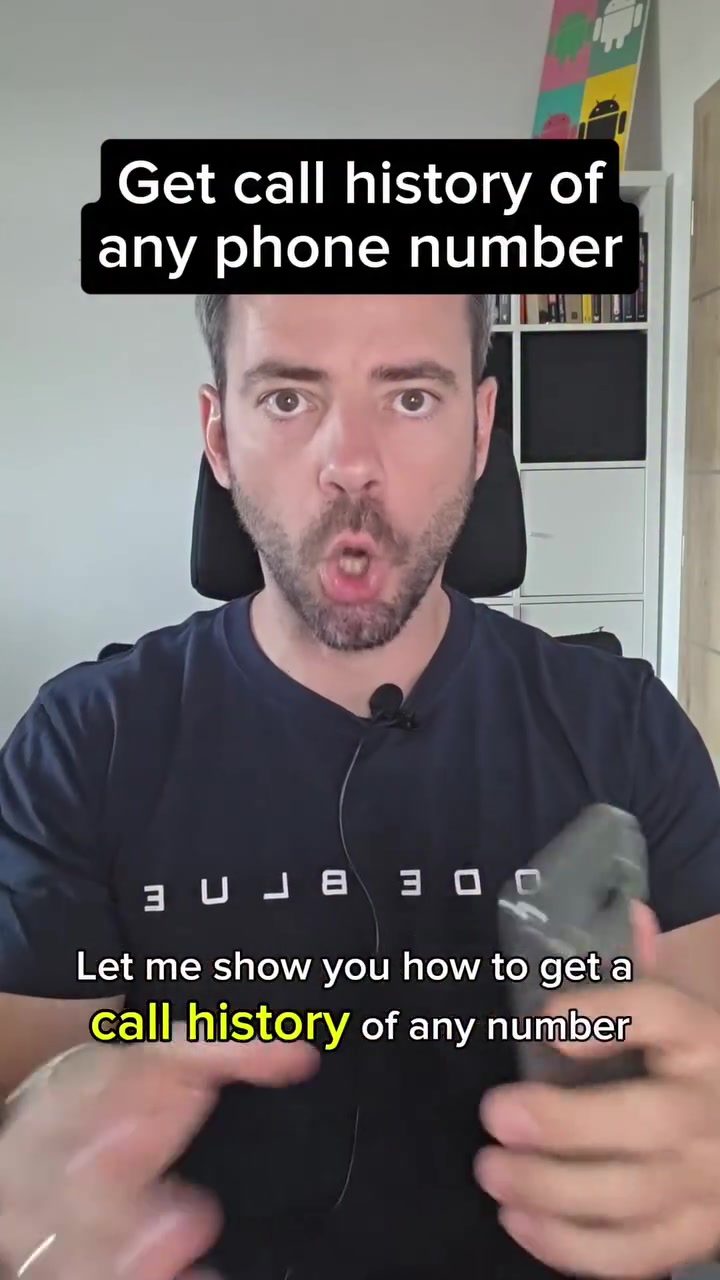
Understanding the Deceptive World of Call History Apps
Dozens of Android apps on the Google Play Store promise to retrieve the call history of any phone number. The process seems straightforward: install the app, enter the desired phone number, pay the subscription fee, and wait for the report to be sent to your email. However, this promise is a trap. Many of these apps are scams, designed to deceive users and steal their money. We uncovered 28 such apps with over 7 million installs combined, and we call this threat Call Phantom.
These apps, often named like "Call History of any Number," claim to provide access to detailed call and SMS history, as well as WhatsApp chat history, for a fee. They offer various subscription plans, such as Silver, Gold, and Premium, enticing users with the promise of comprehensive data access. However, the reality is far from what these apps advertise.
Context: Why This Matters
With the increasing reliance on mobile communication, there is a growing curiosity about call histories. People might want to know about their partner's or ex's activities, or they might be driven by personal or professional curiosity. This curiosity makes users vulnerable to scams, as they are willing to pay for information that is allegedly hard to obtain.
The Mechanics of the Scam
These apps operate by luring users with the promise of accessing someone else's call logs, messages, or even WhatsApp data. The process typically involves the following steps:
- Installation: Users are instructed to go to the Google Play Store, find the app, and install it.
- Data Entry: Users enter the phone number they want to track, along with their email address where the report will be sent.
- Payment: Users are then required to pay a subscription fee. This fee is often presented as a modest amount, making it seem worth the risk.
- Waiting for the Report: The app claims that the report will be sent to the user's email shortly after the payment is made.
However, the truth is that users will never receive the promised report. This is because it is technically impossible for an app to access someone else's call logs, messages, or WhatsApp data in this manner. The apps take advantage of users' lack of technical knowledge and their desire for information.
Technical Limitations and Bypassing Official Billing
One of the key points to understand is the technical limitation of these apps. Mobile operating systems, including Android, have strict security measures in place to prevent apps from accessing call logs, SMS, or WhatsApp data of other users. This is a fundamental aspect of user privacy and security. Therefore, any app claiming to bypass these security measures is inherently fraudulent.
Many of these fraudulent apps also bypass Google's official billing system. This makes it much harder for victims to get a refund, as the transaction is not processed through Google's secure and transparent billing system. Instead, the payment is often routed through unofficial channels, making it difficult to trace and recover.
The Wide Reach of Call Phantom
The impact of these scams is substantial. With over 7 million installs combined, these apps have affected a significant number of users. The deceptive nature of these apps and their ability to bypass official billing systems make them particularly dangerous. Users often discover the scam only after they have paid the subscription fee and do not receive the promised report. By then, it is often too late to recoup their losses.
Practical Tips to Avoid Call Phantom Scams
To protect yourself from falling victim to these scams, consider the following tips:
- Stay Informed: Always be cautious of apps that promise to access private data without reasonable justification. Stay informed about common scams and their tactics.
- Check Reviews and Ratings: Look for reliable reviews and ratings from trusted sources. Be wary of apps with a high number of installs but few authentic reviews.
- Verify Legitimacy: Research the app and its developer. Look for official websites, social media presence, and other verifiable information.
- Avoid Suspicious Billing Systems: Be cautious of apps that request payment through unofficial billing systems. Stick to apps that use Google's official billing system.
- Seek Professional Help: If you suspect you have been scammed, seek help from cybersecurity experts or report the issue to authorities.
Important Takeaways
- Call history apps claiming to access someone else's data are scams. They exploit users' curiosity and lack of technical knowledge to gain unauthorized payments.
- Technical limitations prevent these apps from accessing call logs, messages, or WhatsApp data of other users. Always be skeptical of apps making such claims.
- Bypassing official billing systems is a red flag. It makes it harder for victims to get a refund, and it is a common tactic used by scammers.
- Stay informed and cautious. Always verify the legitimacy of apps and seek professional help if needed.
Conclusion
Call Phantom and similar scams are a growing threat in the digital world. By understanding how these scams operate and taking practical steps to avoid them, you can protect yourself and others from falling victim to fraudulent call history apps. Remember, if something sounds too good to be true, it probably is. Stay vigilant and stay secure.
Questions readers ask
What is the Call Phantom scam?
The Call Phantom scam involves deceptive Android apps that promise to retrieve call histories, messages, or WhatsApp data for a fee. These apps operate on the Google Play Store and have been installed over 7 million times. They lure users with false promises and charge for services they cannot deliver.
How do Call Phantom scam apps operate?
These apps typically require users to enter a phone number and pay a subscription fee. After payment, users are asked to wait for a report to be sent to their email. Unfortunately, the report never arrives, leaving users with a worthless service and a lost payment.
How many apps have been identified as part of the Call Phantom scam?
Our investigation uncovered 28 Android apps on the Google Play Store that are part of the Call Phantom scam. These apps have a combined total of over 7 million installs and are designed to deceive users and steal their money.
What kind of information do these scam apps promise to retrieve?
These scam apps claim to provide access to a wide range of information, including call logs, SMS history, and even WhatsApp chat history. They offer various subscription plans, such as Silver, Gold, and Premium, to entice users into paying for their services.
What should I do if I have installed a Call Phantom scam app?
If you have installed one of these apps, immediately uninstall it and avoid entering any more personal information. It's also a good idea to monitor your bank or payment account for any unauthorized transactions. If you have been charged, consider reporting the app to Google and your local consumer protection agency.
What steps can I take to avoid falling for the Call Phantom scam?
To avoid falling for this scam, be cautious of apps that promise to retrieve call histories, messages, or WhatsApp data for a fee. Always check app reviews and ratings, and be wary of apps with low ratings or negative feedback. Additionally, consider reaching out to family, friends or the app developer if you have any doubts.
How can I report a scam app on the Google Play Store?
To report a scam app, open the Google Play Store app on your Android device, go to the app's page, and tap the three dots in the upper-right corner. Select 'Report' and follow the prompts to report the app. This will help Google review the app and take appropriate action.
Related deep dives
Similar reads based on topic and creator.




Recent articles
Fresh deep dives from the latest Reels we unpacked.




Comments
Be the first to comment.