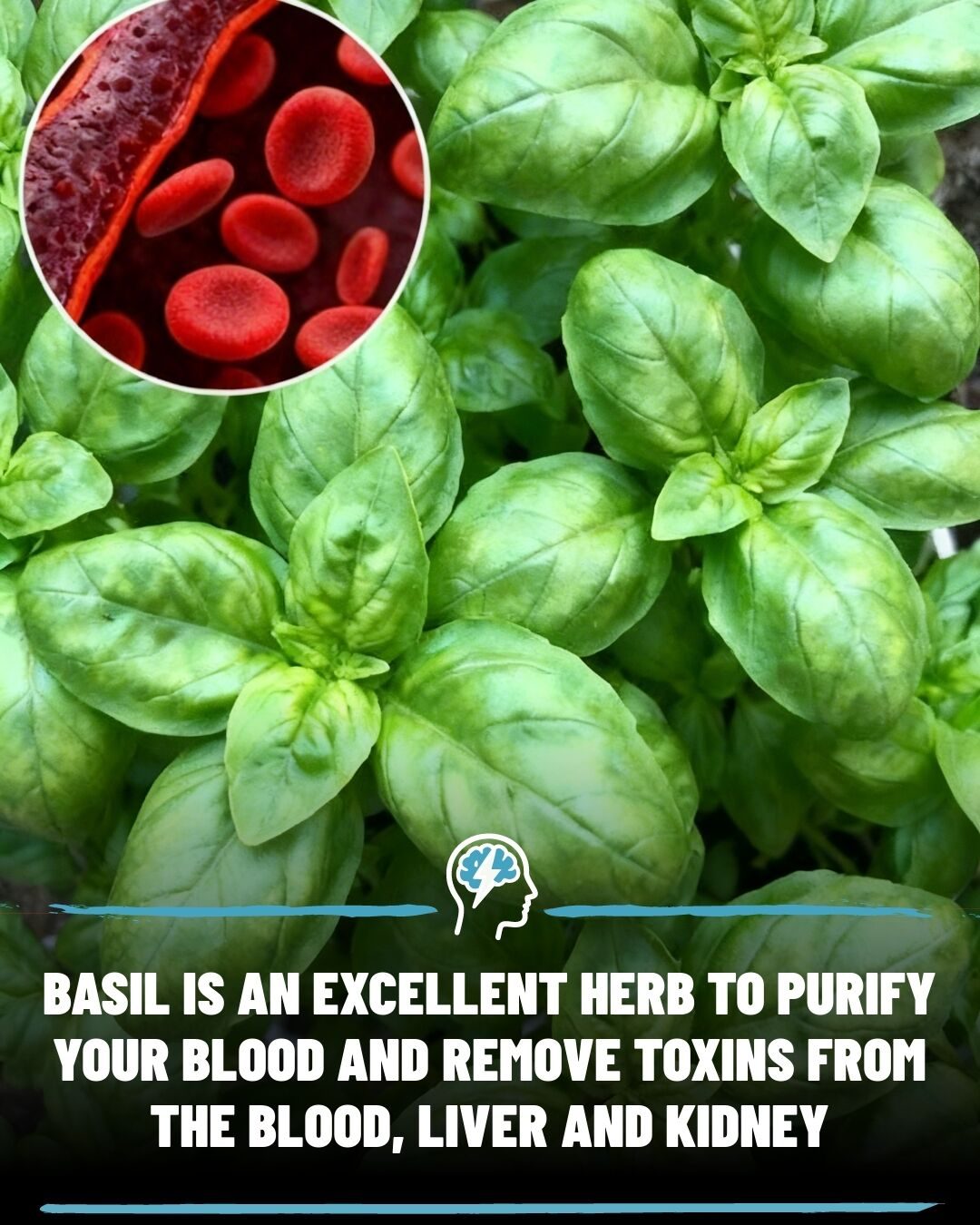
Basil for Detoxification
Basil, a staple in many kitchens, is often celebrated for its culinary uses. However, this humble herb may offer more than just flavor. Recent research suggests that basil contains compounds that can support your body's natural detoxification processes. Let's explore the science behind these claims and how basil might benefit your health.
Context / Why this matters
In today's world, our bodies are constantly exposed to various toxins and pollutants. While our liver and kidneys work tirelessly to eliminate these harmful substances, they can sometimes use a helping hand. This is where basil comes in. By supporting your body's detoxification pathways, basil may help you maintain overall health and well-being. Incorporating this herb into your diet could be a simple and natural way to boost your body's detoxification processes.
Main discussion
The Detoxification Power of Basil
Basil is rich in antioxidants like rosmarinic acid, eugenol, and caffeic acid. These compounds have been shown to have documented biological activity in multiple research studies. But how do these compounds work to support detoxification?
Supporting Liver Function
One of the key ways basil supports detoxification is by aiding liver function. The liver is often referred to as the body's main filter, responsible for breaking down and eliminating harmful substances. Basil compounds, such as rosmarinic acid, help activate detoxification enzymes, specifically cytochrome P450. These enzymes play a crucial role in breaking down substances that your body needs to eliminate.
By reducing oxidative stress and inflammation, basil's compounds may help keep your liver functioning smoothly. This means your body's detoxification system can run more efficiently, allowing you to better eliminate toxins.
Basil's Benefit to Blood Health
While some claims suggest that basil "purifies the blood," the scientific evidence is more nuanced. Basil supports your body's existing detoxification pathways rather than actively flushing toxins on its own. By helping your liver and kidneys function more efficiently, basil may contribute to better overall blood health. Just half a cup of fresh basil leaves provides nearly half your daily recommended vitamin K intake, which is essential for blood clotting and bone health.
Practical tips
Incorporating Basil into Your Diet
Adding basil to your diet is a simple and delicious way to potentially boost your body's detoxification processes. Here are a few practical tips to help you make the most of this versatile herb:
- Fresh Basil: Use fresh basil leaves in salads, sandwiches, or as a garnish for your favorite dishes. The vibrant flavor can enhance a wide range of meals.
- Basil Tea: Brew a cup of basil tea by steeping fresh or dried basil leaves in hot water. This can be a soothing and detoxifying beverage.
- Basil Pesto: Make a homemade pesto using basil, garlic, pine nuts, and olive oil. This can be a tasty addition to pasta, bread, or even as a spread on crackers.
- Basil Infused Water: Add a few basil leaves to your water for a refreshing and hydrating drink.
Safety and Precautions
While basil can offer various health benefits, it's essential to remember that individual results may vary. Adding basil to your diet is not a replacement for medical treatment or professional health advice. If you have any underlying health conditions or are taking medications, consult your healthcare provider before making significant dietary changes.
Important takeaways
Basil is a nutrient-dense herb with compounds linked to antioxidant and anti-inflammatory activity. Incorporating it into your diet may offer gentle support for your body's natural detoxification processes. Key takeaways include:
- Basil contains antioxidants like rosmarinic acid, eugenol, and caffeic acid, which support liver function and detoxification.
- These compounds help activate detoxification enzymes, reducing oxidative stress and inflammation.
- Basil supports your body's existing detoxification pathways rather than acting as a powerful detox agent.
- Adding basil to your diet can be a simple and natural way to boost your body's detoxification processes.
Conclusion
Basil is more than just a flavorful addition to your meals. This common herb contains compounds that can support your body's natural detoxification processes. By incorporating basil into your diet, you may help your liver and kidneys function more efficiently, contributing to better overall health. Enjoy basil as part of a balanced diet, and remember that it is one small piece of a larger wellness picture.
Questions readers ask
How does basil support the body's natural detoxification processes?
Basil contains unique compounds, such as antioxidants and phytochemicals, that can assist the body in eliminating toxins. These compounds support liver function, which is crucial for detoxification, and help reduce oxidative stress caused by harmful substances.
What are the key basil compounds that contribute to detoxification?
Basil is rich in compounds like eugenol, rosmarinic acid, and various antioxidants. These components work together to enhance the body's detoxification capabilities, making basil a useful herb for promoting overall health.
Can basil help improve liver function?
Yes, basil's compounds have been shown to support liver health. By aiding in the liver's natural processes, basil can help the body metabolize and eliminate toxins more effectively, contributing to better liver function and overall well-being.
How do basil's antioxidants support detoxification?
Basil's antioxidants, such as flavonoids and phenols, help combat oxidative stress by neutralizing harmful free radicals. This process can support the body's detoxification systems, reducing the impact of toxins and pollutants.
What are the best ways to incorporate basil into my daily diet for detox benefits?
You can easily add basil to your daily meals by using it in salads, soups, and teas. Fresh basil leaves can be added to smoothies or juices, and dried basil can be used in various recipes. Regularly incorporating basil into your diet may help support your body's natural detoxification processes.
Does basil have any other health benefits besides detoxification?
In addition to its detoxifying properties, basil is known for its anti-inflammatory effects, which can help reduce inflammation in the body. Basil is also rich in vitamins and minerals, making it a valuable addition to your diet for maintaining overall health and supporting your immune system.
How does basil compare to other natural detox herbs?
Basil stands out due to its unique blend of compounds that support liver function and reduce oxidative stress. While other herbs like turmeric and milk thistle are also known for their detoxifying properties, basil offers a distinct set of benefits that can complement a healthy diet and lifestyle.
Related deep dives
Similar reads based on topic and creator.



Recent articles
Fresh deep dives from the latest Reels we unpacked.




Comments
Be the first to comment.