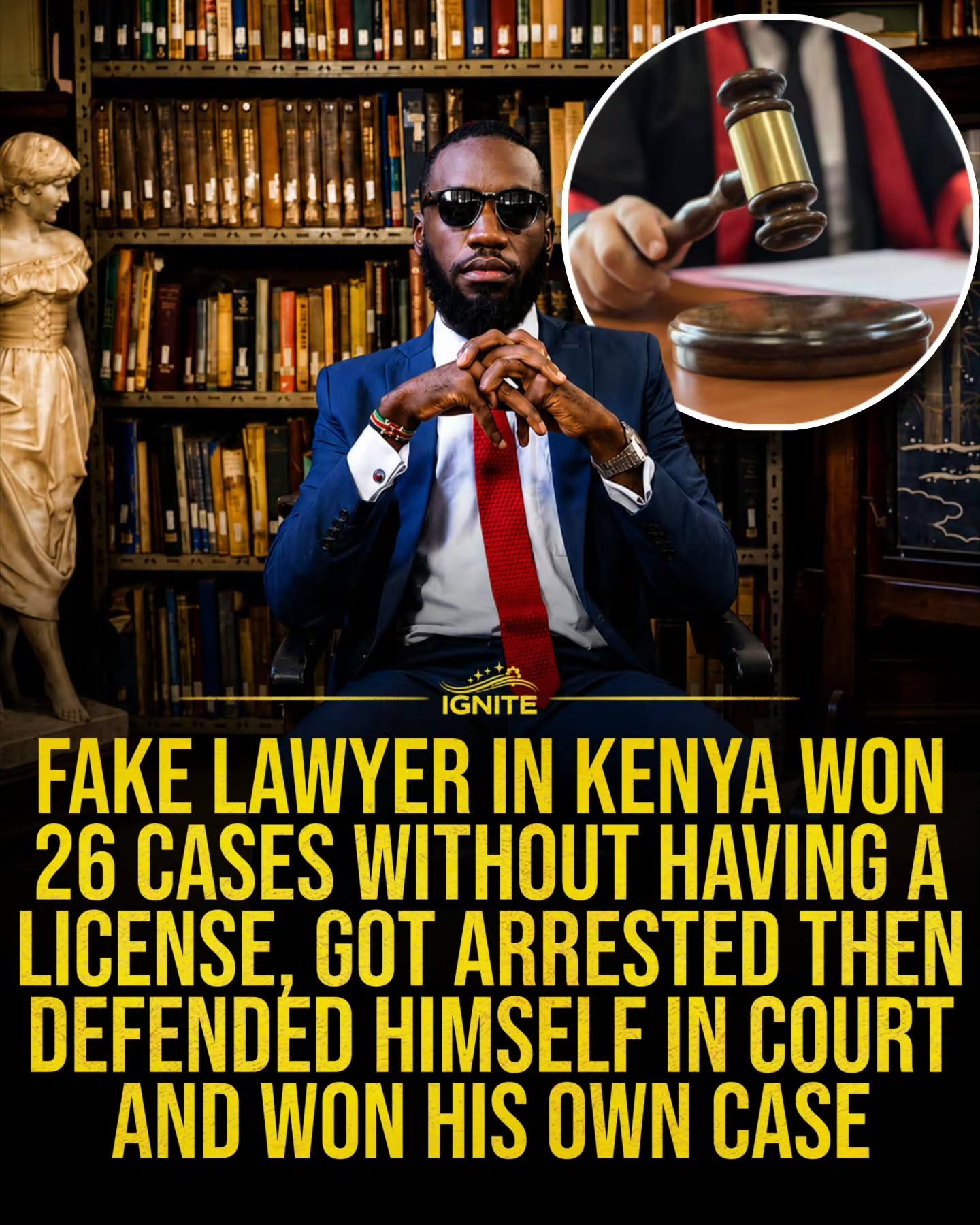
Legal Case in Kenya
A recent news story from Kenya has sparked significant interest, detailing the extraordinary events surrounding a man who successfully defended 26 cases without possessing a legal license. This story is a fascinating exploration of the legal system's complexities and the potential loopholes that can be exploited.
Context / Why this matters
The events in Kenya highlight critical issues within legal systems, including the importance of licensing, the potential for self-representation, and the challenges of identifying and prosecuting imposters. Understanding this case provides insights into how legal frameworks operate and the consequences of loopholes that might allow unlicensed individuals to practice law.
Main discussion
The Unlicensed Lawyer
The central figure in this story is a man who, despite not holding a legal license, managed to win 26 cases. This implies a deep understanding of legal procedures and possibly a charismatic ability to influence legal outcomes. The man's activities were eventually uncovered, leading to his arrest. The fact that he was able to operate undetected for so long raises questions about the oversight mechanisms within Kenya's legal system.
Legal Consequences
Once arrested, the man faced a significant challenge: defending himself in court. Remarkably, he managed to win his own case, demonstrating an impressive grasp of legal strategies and procedures. This victory underscores the complexity of the legal system and the potential risks of self-representation, even for those without formal training. His ability to navigate the legal system successfully suggests that there may be flaws in the way cases are reviewed and verdicts are delivered.
Public Reaction
The public's reaction to this case has been a mix of astonishment and concern. Many are questioning how an unlicensed individual could win so many cases and the implications for the integrity of the legal system. The case has also sparked debates about the effectiveness of licensing requirements and the need for stricter enforcement to prevent similar incidents in the future.
Practical tips
Recognizing Unlicensed Legal Practitioners
For those involved in legal proceedings, it's crucial to verify the credentials of any legal representative. This can be done by checking with the relevant legal authorities, ensuring that the individual holds a valid license. Additionally, being aware of signs of potential imposters can help protect against similar situations.
Understanding Legal Procedures
The case in Kenya highlights the importance of understanding legal procedures, even for those who are not legal professionals. Knowledge of basic legal rights and processes can help individuals navigate the system more effectively and protect their interests.
Importance of Court Oversight
The case also underscores the need for rigorous oversight within the court system. This includes thorough vetting of legal representatives, regular audits of case outcomes, and stricter penalties for individuals practicing law without a license. Improved oversight can help maintain the integrity of the legal system and prevent future incidents.
Important takeaways
The Legal Case in Kenya serves as a stark reminder of the importance of licensing and oversight in the legal profession. It also highlights the potential risks of self-representation and the need for rigorous enforcement of legal standards. Understanding this case can provide valuable insights into the complexities of the legal system and the potential for improvement.
Conclusion
The story of the fake lawyer in Kenya who won 26 cases and defended himself successfully in court is a compelling narrative that raises critical questions about the legal system. It underscores the need for stringent oversight, the importance of verifying credentials, and the potential risks of loopholes within legal frameworks. By examining this case, we can gain a deeper understanding of the legal landscape and the steps needed to ensure its integrity.
Questions readers ask
Can an individual successfully defend themselves in court without a license in Kenya?
While the case in Kenya highlights an extreme example, it's important to note that self-representation is generally allowed in many jurisdictions, including Kenya. However, this comes with significant risks. The man in question managed to win 26 cases, but this is not typical and should not be taken as an indication of how self-representation usually fares.
What legal challenges might arise from an unlicensed individual representing themselves in court?
There are numerous challenges, including the potential for misinterpretation of the law, inability to navigate complex legal procedures, and lack of professional negotiation skills. Additionally, unlicensed individuals may not be aware of all the legal nuances and loopholes, which can lead to unforeseen consequences.
What are the consequences of self-representation in court?
Self-representation can lead to unfair trials and compromises the integrity of the legal system. For instance, the unlicensed man in Kenya won 26 cases, but this raises questions about the validity of the outcomes and the potential for future legal challenges. An unlicensed individual may also inadvertently exploit loopholes, leading to unfair advantages.
How can legal systems address the issue of unlicensed individuals practicing law?
Legal systems can implement stricter verification processes for legal practitioners and increase penalties for impersonating a lawyer. More stringent background checks and regular audits of legal professionals can help ensure that only licensed individuals are practicing law. Additionally, raising awareness about the risks of self-representation can deter individuals from attempting to represent themselves in court.
What are the potential loopholes in the Kenya legal system, as highlighted by this case?
The case underscores the need for more robust checks and balances. One potential loophole is the system's reliance on self-reporting for licensing. Another is the lack of immediate consequences for unlicensed legal representation. The Kenya Justice system should consider enforcing stricter penalties and more frequent audits to prevent similar situations in the future.
Are there other cases similar to the one in Kenya where an unlicensed individual successfully defended themselves in court?
While there may be other instances, they are relatively rare. This case in Kenya is particularly notable due to the high number of cases won. It is important to note that the successful outcome in this instance does not imply that such a strategy is effective or advisable in general. Every legal case is unique, and self-representation can lead to vastly different results.
What precautions can a person take to avoid the risks of self-representation in legal cases?
To mitigate the risks of self-representation, individuals should thoroughly understand the legal procedures and seek legal advice early in the process. Consulting with a licensed professional, even informally, can provide valuable insights. Additionally, being well-prepared and organized can help navigate the complexities of the legal system more effectively.
Related deep dives
Similar reads based on topic and creator.



Recent articles
Fresh deep dives from the latest Reels we unpacked.




Comments
Be the first to comment.