Rainforest Biodiversity
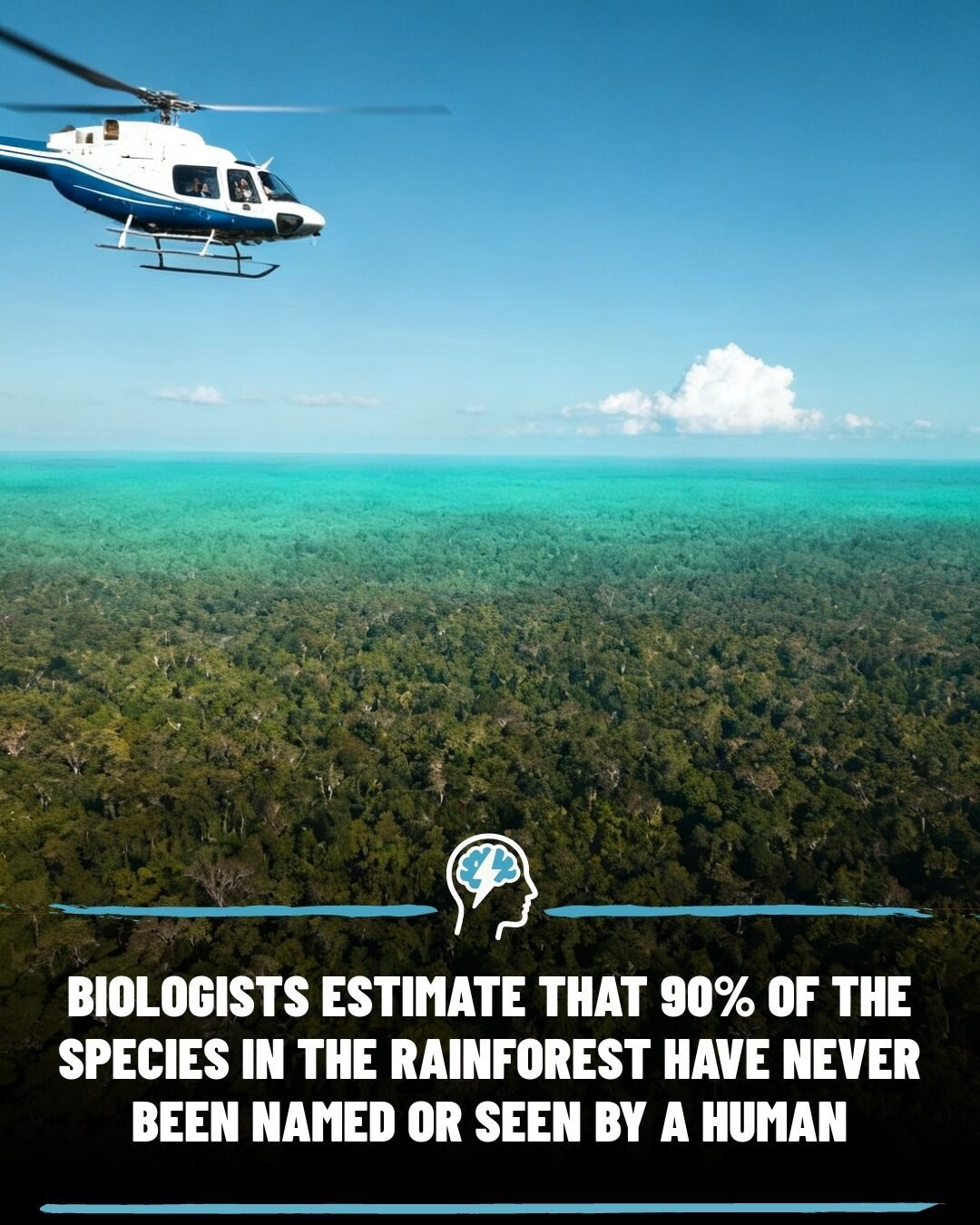
Tropical rainforests, particularly the Amazon, are renowned for their unparalleled biodiversity. These vast ecosystems are home to an estimated 90% of species that have never been formally named or studied by science. The sheer scale and complexity of rainforests make comprehensive documentation a monumental challenge, but understanding the significance of this undiscovered biodiversity is crucial for conservation efforts.
Why This Matters
The Amazon rainforest and similar ecosystems play a pivotal role in global ecology. They act as massive carbon sinks, produce a significant portion of the world's oxygen, and are home to countless species that contribute to the intricate web of life. However, the rapid degradation of these forests poses a severe threat to both known and unknown species. The loss of biodiversity can disrupt ecosystems, affect climate patterns, and compromise the survival of countless species.
The Scale of Undiscovered Biodiversity
Biologists estimate that a vast number of species in the rainforest remain undiscovered. This includes insects, fungi, microorganisms, and even plants. The rainforest's dense canopy and remote locations make it nearly impossible for scientists to document every single species. Yet, even in relatively well-studied groups, numerous species remain uncatalogued. This underscores the immense challenge and importance of ongoing research and conservation efforts.
Traditional Ecological Knowledge
It's a common misconception that "undiscovered by science" means completely unknown. Indigenous communities who have lived in these forests for generations possess deep knowledge of species that Western science has not yet formally named or studied. This traditional ecological knowledge, built on centuries of observation and interaction with the ecosystems, is invaluable. It often includes information about the medicinal properties of plants, the behaviors of animals, and the intricate relationships within the ecosystem.
The Role of Indigenous Communities
Indigenous communities are not just passive inhabitants of the rainforest; they are its stewards. Their deep understanding of the local flora and fauna can offer critical insights that can guide conservation efforts. Supporting Indigenous land rights and involving them in research and conservation projects can lead to more effective and sustainable practices. It also ensures that the knowledge they possess is valued and preserved.
Conservation Challenges
Conservation efforts in the rainforest face numerous challenges. The vastness of the ecosystem, the remote locations, and the sheer diversity of species make it difficult to monitor and protect. Additionally, deforestation, mining, and climate change exacerbate the threats to these ecosystems. Effective conservation requires a multi-faceted approach that includes scientific research, policy advocacy, and community engagement.
Practical Tips for Conservation
-
Support Indigenous Land Rights: Recognize and support the rights of Indigenous communities who have a deep understanding of the local ecosystems. Their involvement can enhance conservation efforts and ensure sustainable practices.
-
Increase Funding for Research: More funding is needed to support scientific research and documentation of rainforest species. This will help create a more comprehensive understanding of the biodiversity and the threats it faces.
-
Advocate for Policy Changes: Policies that protect rainforests and limit deforestation are crucial. Advocacy for stricter environmental regulations and enforcement can help mitigate the degradation of these ecosystems.
-
Promote Sustainable Practices: Encourage the use of sustainable practices in agriculture, logging, and mining. This includes reducing the use of harmful chemicals, promoting reforestation, and supporting eco-friendly industries.
-
Community Engagement: Engage local and global communities in conservation efforts. Public awareness and participation can create a broader support base for protecting rainforests.
Important Takeaways
The sheer scale of undiscovered biodiversity in rainforests underscores the need for ongoing research and conservation. Indigenous communities play a vital role in this effort, offering valuable traditional ecological knowledge. Supporting their land rights and integrating their knowledge into conservation efforts can lead to more effective and sustainable practices. The challenges are significant, but the importance of protecting these ecosystems cannot be overstated. Every species, whether known or unknown, plays a crucial role in the intricate web of life.
Conclusion
Rainforests are not just lush green expanses; they are intricate ecosystems teeming with life. Much of this life remains undiscovered, and its documentation is an ongoing challenge. However, the significance of this undiscovered biodiversity for global ecology cannot be overlooked. By supporting research, Indigenous land rights, and sustainable practices, we can protect these vital ecosystems and ensure the preservation of countless species. Conservation efforts are not just about documenting known species; they are about protecting the unknown, the undiscovered, and the critical roles they play in our world.
Questions readers ask
Why are tropical rainforests considered so important for species discovery?
Tropical rainforests, particularly the Amazon, are home to an estimated 90% of species that have not been formally named or studied. This high concentration of undiscovered species makes these ecosystems prime areas for scientific discovery and biological exploration.
How do rainforests contribute to global ecology?
Rainforests play a crucial role in global ecology by acting as massive carbon sinks, producing a significant portion of the world's oxygen, and supporting a vast array of species. This makes them vital for maintaining the health of our planet.
What challenges are associated with documenting rainforest biodiversity?
The sheer scale, complexity, and remote locations of rainforests make comprehensive documentation of their biodiversity a significant challenge. The intricate web of life within these ecosystems requires extensive resources and time for thorough study.
Why is preserving undiscovered species important for the planet?
Preserving undiscovered species is essential for maintaining the health of our planet. These species contribute to the intricate web of life within rainforest ecosystems, which in turn support global ecological processes. Additionally, they hold potential for future scientific discoveries and benefits for humanity.
What are the potential consequences of rainforest degradation?
Rapid degradation of rainforests poses a severe threat to global ecology and biodiversity. Loss of rainforests leads to a decrease in oxygen production, reduced carbon sequestration, and the potential extinction of countless species, many of which are yet to be discovered and understood. This can have cascading effects on ecosystem health and overall planet health.
How can understanding rainforest biodiversity aid in conservation efforts?
Understanding rainforest biodiversity provides crucial insights into the intricate web of life within these ecosystems, aiding in the development of effective conservation strategies. By identifying key species and their roles, conservationists can better protect these habitats and ensure the survival of both known and undiscovered species.
What role do undiscovered species play in rainforest ecosystems?
Undiscovered species play a vital role in rainforest ecosystems, contributing to the intricate web of life and supporting the overall health of these habitats. Each species, known or unknown, has a unique function that contributes to the balance and resilience of the ecosystem, making their preservation crucial for maintaining biodiversity and ecosystem health.
Related deep dives
Similar reads based on topic and creator.




Recent articles
Fresh deep dives from the latest Reels we unpacked.



Comments
Be the first to comment.