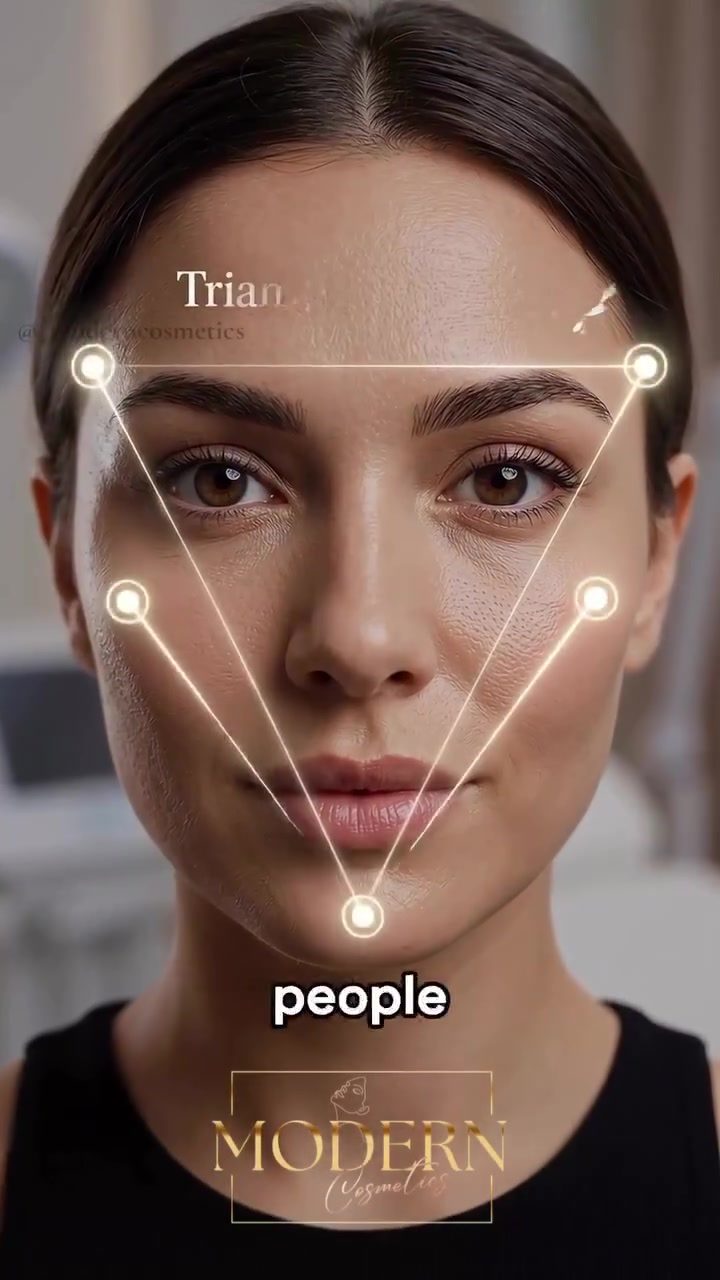
Facial Anatomy and the Aging Process
Facial anatomy and the aging process are interconnected in ways that go beyond surface-level changes. Understanding how the face evolves over time is crucial for anyone interested in cosmetic procedures or simply curious about the natural aging process. The concepts of the "triangle of youth" and the "pyramid of age" are integral to this understanding. These terms describe the natural changes in facial proportions that occur as we age.
Why This Matters
The transition from the triangle of youth to the pyramid of age involves complex anatomical changes. These changes are not merely superficial; they involve alterations in bone structure, facial fat compartments, retaining ligaments, skin, and soft tissues. Recognizing these changes is essential for anyone considering cosmetic procedures, as it helps in understanding what adjustments can be made to maintain a more youthful appearance. This knowledge is also valuable for anyone interested in the broader science of aging and its effects on the body.
The Triangle of Youth vs. the Pyramid of Age
Understanding the Triangle of Youth
The triangle of youth refers to the natural facial structure of younger individuals. In this phase, the face is characterized by fullness in the cheeks and mid-face, creating a triangular shape. This fullness provides support and definition to the face, contributing to a youthful appearance. The key anatomical features that support this structure include the cheekbones, fat pads, and retaining ligaments. These elements work together to maintain the face's contours and volume.
The Transition to the Pyramid of Age
As we age, the face undergoes a gradual but significant shift. This change is often described as the transition from the triangle of youth to the pyramid of age. The pyramid of age occurs when the facial support shifts lower, altering the distribution of facial volume. This shift is due to changes in multiple anatomical layers, including bone, facial fat, ligaments, and skin. These changes can lead to a more angular, less Supported appearance, characterized by a loss of volume in the mid-face and cheeks, and a more defined jawline.
Key Anatomical Changes
Several key anatomical changes contribute to the transition from the triangle of youth to the pyramid of age:
Bone Structure: Over time, the bone structure of the face can change, leading to a loss of support in the mid-face and cheeks. This can result in a more angular appearance and a shift in facial proportions.
Facial Fat Compartments: Facial fat compartments can also change over time, leading to a loss of volume in the cheeks and mid-face. This can contribute to the appearance of a more aged face, as the face loses its youthful fullness.
Retaining Ligaments: Retaining ligaments help to support the facial tissues and maintain their position. As we age, these ligaments can weaken, leading to a loss of support and a shift in facial proportions.
Skin and Soft Tissues: The skin and soft tissues of the face can also change over time, becoming thinner and less elastic. This can contribute to the appearance of wrinkles, fine lines, and a loss of volume in the face.
Main Discussions
The Complexity of Facial Aging
Facial aging is a complex process involving multiple anatomical structures changing together over time. It's not simply a matter of the face "sagging"; rather, it involves a combination of changes in bone, facial fat, ligaments, and skin. Understanding this complexity is crucial for anyone considering cosmetic procedures, as it helps in identifying the specific areas that need to be addressed.
The Role of Cosmetic Procedures
Cosmetic procedures can play a significant role in addressing the changes that occur with age. Procedures such as facial fillers, Botox, and surgical lifts can help to restore facial volume, support, and definition. However, it's important to approach these procedures with a clear understanding of the underlying anatomical changes, as well as the potential risks and benefits.
The Importance of Personalized Consultations
Every face ages differently, and there is no one-size-fits-all solution for addressing the signs of aging. A personalized cosmetic consultation is essential for identifying the specific changes that have occurred in an individual's face and developing a tailored treatment plan. This plan may include a combination of cosmetic procedures, skin care, and lifestyle changes to help maintain a more youthful appearance.
Practical Tips
Maintaining Facial Health
There are several practical steps that can be taken to maintain facial health and delay the signs of aging:
Skincare: A consistent skincare routine that includes cleansing, moisturizing, and protecting the skin from the sun can help to maintain its health and elasticity. Including products with antioxidants, such as vitamin C and E, can also help to combat the effects of aging.
Hydration: Staying hydrated is essential for maintaining the health and elasticity of the skin. Drinking plenty of water and consuming foods high in water content can help to keep the skin looking plump and youthful.
Lifestyle: Lifestyle factors such as a balanced diet, regular exercise, and adequate sleep can also contribute to maintaining facial health. Avoiding smoking and limiting alcohol consumption can help to prevent premature aging.
Considering Cosmetic Procedures
When considering cosmetic procedures, it's important to choose a reputable practitioner and to have a clear understanding of the potential risks and benefits. A personalized consultation can help to identify the specific areas that need to be addressed and to develop a tailored treatment plan.
Important Takeaways
Understanding facial anatomy and the aging process is essential for anyone interested in maintaining a youthful appearance. The transition from the triangle of youth to the pyramid of age involves complex anatomical changes that require a personalized approach to address. Cosmetic procedures can play a significant role in restoring facial volume, support, and definition, but it's important to approach these procedures with a clear understanding of the underlying changes and to choose a reputable practitioner.
Conclusion
The natural aging process involves significant changes in facial anatomy, shifting from the triangle of youth to the pyramid of age. Recognizing these changes is crucial for anyone interested in cosmetic procedures, as it helps in understanding the specific areas that need to be addressed. By maintaining facial health, considering cosmetic procedures, and seeking personalized consultations, individuals can effectively address the signs of aging and maintain a more youthful appearance.
Questions readers ask
What are the key features of the 'triangle of youth'?
The 'triangle of youth' refers to the facial structure of a younger person. The defining features are a fuller, more rounded face, a well-defined chin, and a wider upper face. The lower face is typically narrower and the cheeks are full and prominent.
How does the 'pyramid of age' differ from the 'triangle of youth'?
The 'pyramid of age' describes the changes in facial structure as we grow older. The face becomes more elongated, with a narrower upper face and a wider lower face. The jawline can become less defined, and the cheeks may appear less full. The overall appearance is more rectangular or triangular.
What are the most common anatomical changes in facial aging?
Facial aging involves several anatomical changes, including bone structure loss, especially in the cheek and jaw areas. Facial fat distribution shifts, with volume loss in the cheeks and accumulation around the mouth and neck. Retaining ligaments weaken, causing soft tissues to sag, and the skin becomes thinner and less elastic.
Why is understanding these concepts important for cosmetic procedures?
Understanding the triangle of youth and pyramid of age helps set realistic expectations for cosmetic procedures. It allows practitioners to anticipate and address the specific changes in facial structure and volume distribution, ensuring more natural and satisfying outcomes.
How does facial fat distribution change with age?
As we age, facial fat distribution shifts from the upper face to the lower face. This means the cheeks lose volume and can appear hollow, while the lower face, including the jawline and neck, may accumulate fat, contributing to a jowly or double-chin appearance.
What role does bone structure play in the natural aging of the face?
Bone structure plays a significant role in facial aging. As we age, the bones in the face can lose volume and density, particularly in the cheek and jaw areas. This loss of bone structure contributes to a more elongated face and less defined features, which are characteristics of the pyramid of age.
How can recognizing these changes help in maintaining a youthful appearance?
Recognizing the changes described by the triangle of youth and pyramid of age can guide individuals in maintaining a youthful appearance. By understanding the shifts in facial structure and volume distribution, one can make informed decisions about skincare, lifestyle, and even cosmetic procedures to counteract these changes.
Recent articles
Fresh deep dives from the latest Reels we unpacked.




Comments
Be the first to comment.