Friendship and Data
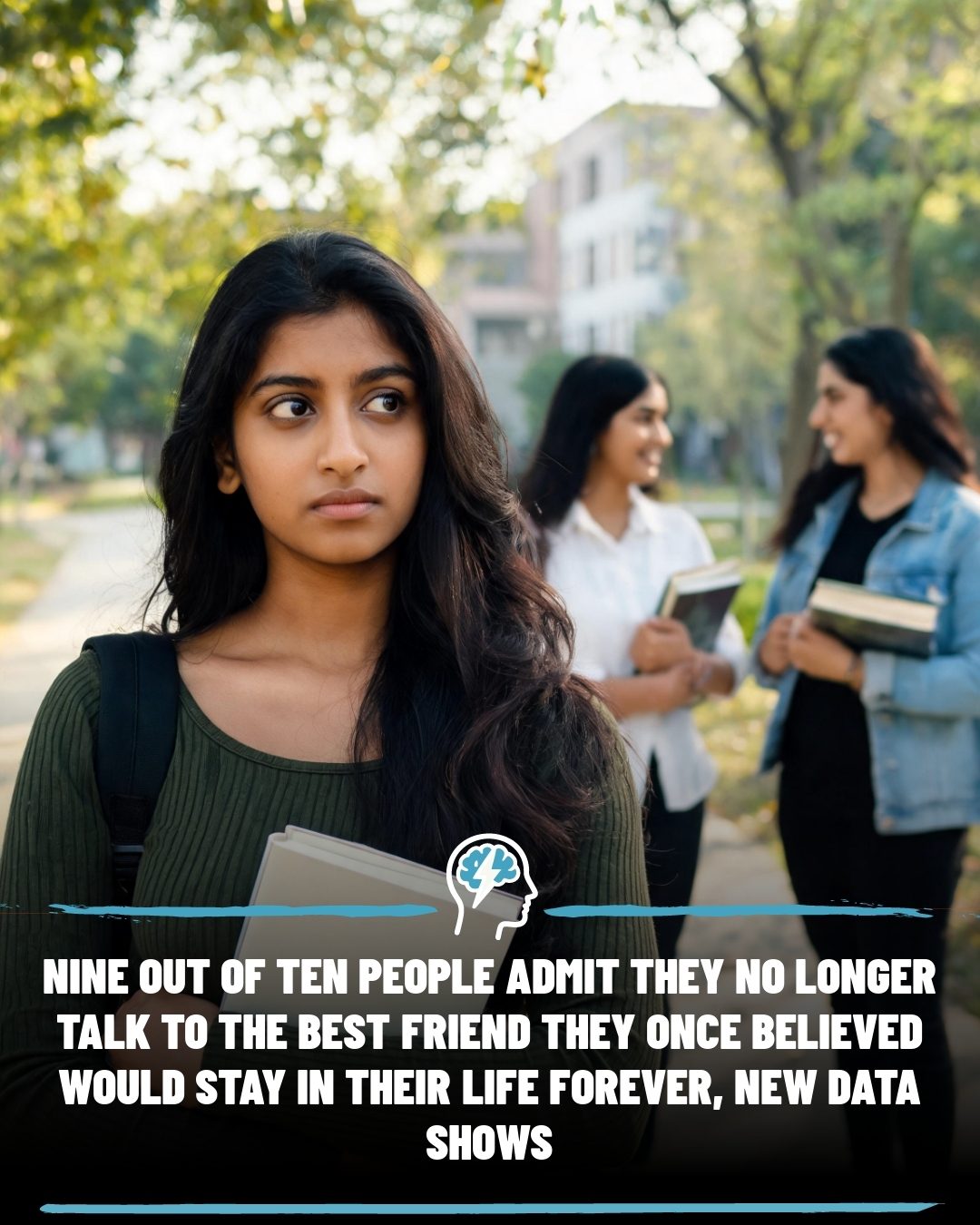
It's a hard fact to swallow: 91% of people lose touch with their childhood best friend. This statistic reveals a harsh reality about friendships that's easy to dismiss as personal failure. However, this phenomenon is a normal part of life.
Why This Matters
The shifting of social circles in your twenties and thirties is a common experience. People start to prioritize the quality of their relationships over the quantity, and friendships that aren't actively nurtured can fade away. The reasons for this shift are varied, but often include physical distance, career changes, and the attention demanded by new partners or children.
The Impact of Life Changes
Life changes can significantly impact friendships. Moving to new cities or focusing on careers can make it challenging to maintain old relationships. New responsibilities and priorities often take precedence over old friendships, which can lead to a natural drift apart.
Why Conflict and Distance Matter
Some friendships end due to conflict, but most simply fade away. Physical distance can make spontaneous meetups difficult, and diverging career paths and financial differences can create barriers. Additionally, as people grow and evolve, their values and beliefs may shift, leading to a natural drift in friendships. New partners or children can also take the attention that once went to friends, causing them to fall by the wayside.
The Role of Intentionality
The people who stay close with their childhood best friend usually do it on purpose. They keep choosing each other, even when life pulls them apart. The friendship may change shape, but it doesn't die. One long, honest conversation a month can often be more meaningful than a daily text.
The Reframing
If 91% of people are in the same boat, growing apart isn't a failure. It's just what usually happens. Losing a best friend doesn't erase what that friendship gave you. It just makes the ones that survive feel worth holding onto.
Main Discussion
Understanding the Shift in Relationship Dynamics
Friendships often feel permanent when you're living them, but life changes can alter dynamics. The passage of time, changes in priorities, and new responsibilities can all impact friendships. It's important to recognize that these shifts are a normal part of life and not a reflection of the value of the friendship.
The Emotional Toll of Losing a Friendship
Losing a best friend can be emotionally challenging. It's a part of the human experience that can leave you questioning why the friendship ended. Understanding the factors that contribute to this loss can help alleviate some of the emotional toll by framing it as a natural life change rather than a failure.
The Importance of Nurturing Relationships
While it's easy to let friendships fade, nurturing them can help ensure they last. Intentionality plays a significant role in maintaining friendships. Both parties must make an effort to stay connected.
The Evolution of Friendships Over Time
Friendships can change over time, just like people do. What was once a daily interaction may evolve into a monthly catch-up, and that's perfectly okay. The key is to appreciate the friendship for what it is, even if it looks different from how it started.
The Role of Honesty and Communication
Honest communication can go a long way in maintaining friendships. Being open about changes in your life and how they impact your ability to stay connected can help manage expectations and prevent misunderstandings. Regular, honest conversations can help keep the bond strong, even if the frequency of interactions changes.
Practical Tips
Tips for Maintaining Friendships
If you want to be in the 9% of people who stay close with their childhood best friend, follow these tips:
-
Be Intentional: Make a conscious effort to stay connected. This could mean setting aside time for a monthly call or arranging periodic meetups, no matter how far away you live.
-
Communicate Openly: Share changes in your life with your friends. Let them know how these changes might affect your availability, and try to understand their perspective as well. Honest communication can help ensure both of you feel valued and appreciated.
-
Embrace Changes: Understand that friendships evolve with time. Don't expect them to stay the same, but appreciate them for what they are at every stage.
-
Invest in Meaningful Interactions: One long, honest conversation a month can often be more meaningful than a daily text. Prioritize quality over quantity in your interactions.
Important Takeaways
Key Takeaways
Understanding the dynamics of friendships over time can help you appreciate the ones that survive and cherish the memories of those that don't. Intentionality and honest communication are essential for maintaining long-term friendships, even as life pulls you apart.
Conclusion
Friendships are a vital part of life, and while it's normal for them to evolve or fade, recognizing the reasons behind these changes can help you appreciate the friendships that do endure. Embrace the fact that friendships can change shape and prioritize the ones that truly matter.
Questions readers ask
Why is it so common to lose touch with childhood best friends?
Losing touch with childhood best friends is common due to life changes such as moving to new places, career shifts, and the attention required by new partners or children. Additionally, as people prioritize the quality of their relationships, some friendships may fade away if they are not actively maintained.
What are some reasons why friendships drift apart in adulthood?
Friendships often drift apart in adulthood due to physical distance, career changes, and the focus on new partners or children. As people navigate these life changes, the dynamics of their friendships may shift, leading to some connections fading away.
How can life changes affect the longevity of friendships?
Life changes can significantly impact friendship longevity. Major transitions such as relocation, career advancements, or the arrival of children can alter the time and effort available for maintaining friendships, leading to some relationships becoming distant over time.
What strategies can help maintain lifelong friendships?
Consistent communication, making an effort to meet or chat regularly, and actively participating in each other's lives can help maintain lifelong friendships. It’s important to be understanding and flexible, especially when life changes occur, and to prioritize the relationship despite busy schedules.
How do people’s priorities change as they enter their twenties and thirties, affecting friendships?
As people enter their twenties and thirties, they often prioritize the quality of their relationships over the quantity. This shift can lead to some friendships fading away if they are not actively nurtured. Career, family, and personal growth often take precedence, changing the dynamics of social circles.
Is it normal to drift apart from best friends growing up?
Yes, it’s quite normal to drift apart from best friends growing up. Life changes, such as moving away for work or school, starting families, and focusing on careers, can naturally lead to friendships evolving or becoming distant. This is a common experience and not necessarily a reflection of failed relationships.
What factors contribute to the evolution of childhood friendships?
Several factors contribute to the evolution of childhood friendships, including physical distance, career changes, and the demands of new relationships or family responsibilities. As people's lives take different directions, the effort required to maintain friendships can become challenging, leading to changes in these relationships over time.
Related deep dives
Similar reads based on topic and creator.



Recent articles
Fresh deep dives from the latest Reels we unpacked.




Comments
Be the first to comment.