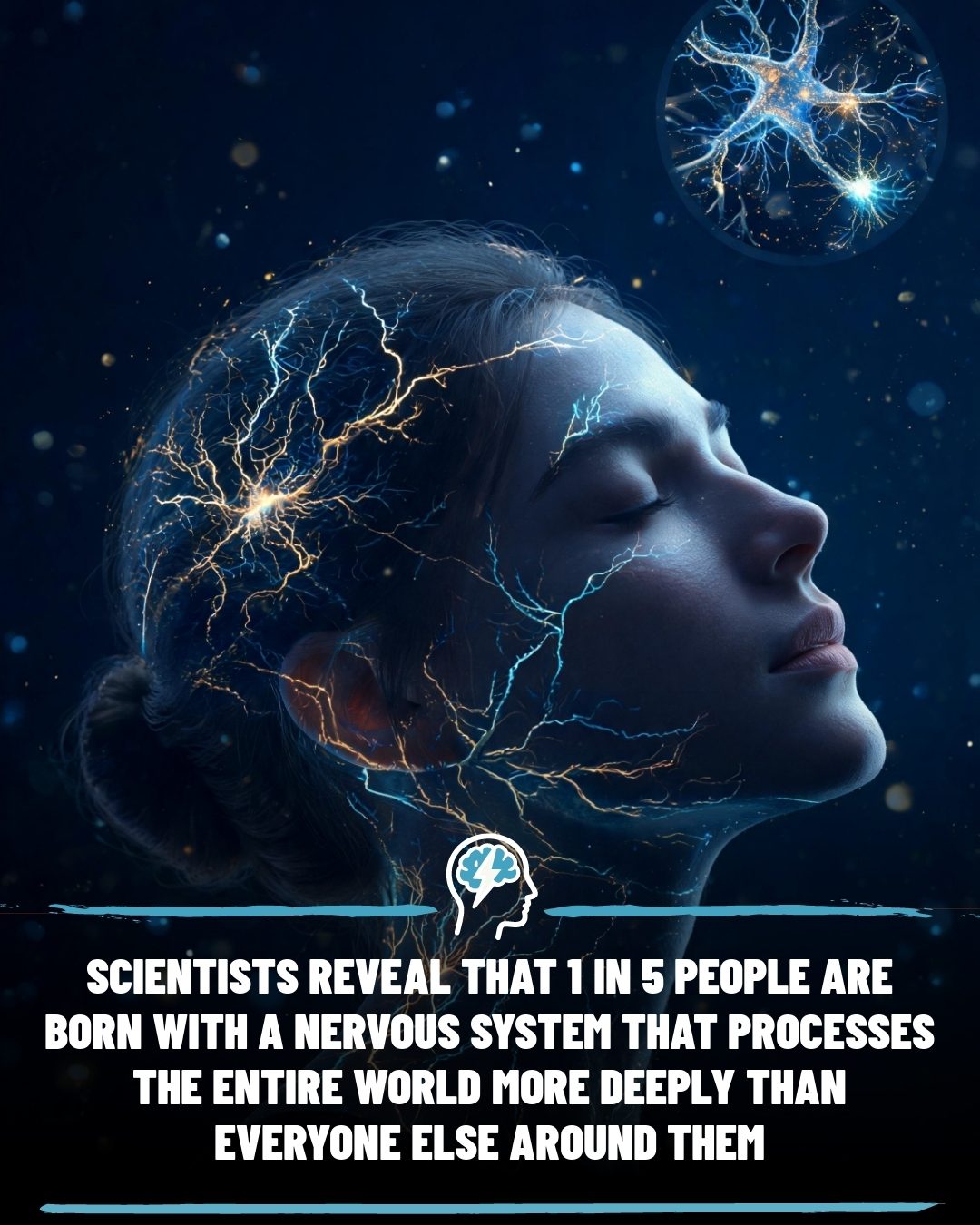
Neurodiversity and Sensory Processing Sensitivity
Neurodiversity encompasses a range of neurological differences, including sensory processing sensitivity (SPS). This neurological trait affects approximately 20% of the population, causing individuals to experience the world with heightened sensitivity. Every scent, sound, and emotion is more pronounced, leading to a unique way of interacting with the environment. This sensitivity is not a disorder or a flaw but a natural variation in how the nervous system processes information.
Why This Matters
Understanding sensory processing sensitivity is crucial for fostering empathy and creating inclusive environments. It helps us recognize the strengths and challenges that come with this trait, enabling us to support those who experience the world in this way.
The Science Behind Sensory Processing Sensitivity
Mirror Neurons and Empathy
Individuals with SPS have more active mirror neurons, which are involved in empathy and social understanding. Mirror neurons allow people to feel what others are feeling, making them highly attuned to the emotions and experiences of those around them. This heightened empathy can lead to strong social awareness and intuitive insights into others' needs and feelings.
Amygdala and Prefrontal Cortex Activity
The amygdala, part of the brain responsible for processing emotions, and the prefrontal cortex, involved in decision-making and impulse control, show increased activity in people with SPS. This heightened activity contributes to their ability to notice, categorize, and understand complex emotional and sensory information. The amygdala's heightened sensitivity can also make them more reactive to environmental stimuli, leading to a constant state of alertness.
Autonomic Nervous System
The autonomic nervous system, which regulates involuntary body functions, is more reactive in individuals with SPS. This reactivity means they experience stronger physiological responses to stimuli, including increased heart rate and heightened awareness. This can make overwhelming environments, such as loud rooms or bright lights, particularly challenging.
Increased Blood Flow to Deep Thought Areas
Research shows increased blood flow to brain areas associated with deep thought and analysis. This heightened activity allows for more profound and reflective problem-solving skills, as well as a rich appreciation for art, music, and nature. Individuals with SPS often exhibit a conscientious approach to work and relationships, valuing depth and meaning in their interactions.
The Tradeoffs of Sensory Processing Sensitivity
While SPS brings unique gifts, it also presents challenges. Environments with loud noises, bright lights, and heavy social demands can overwhelm the nervous system, leading to fatigue and overwhelm. For these individuals, downtime is not a luxury but a necessity for maintaining mental and emotional well-being.
Practical Tips for Supporting Individuals with SPS
Supporting individuals with SPS involves understanding their unique needs and creating environments that accommodate their heightened sensitivity. Here are some practical tips:
Create Calm Environments
Reducing sensory overload is crucial. This can be achieved by:
- Minimizing background noise and distractions.
- Using soft, natural lighting instead of harsh fluorescent lights.
- Providing quiet spaces for breaks and relaxation.
Foster Understanding and Empathy
Educating others about SPS can promote empathy and understanding. Encourage open conversations about the challenges and strengths of sensory processing sensitivity, and create a supportive community where individuals feel valued and understood.
Encourage Self-Care
Individuals with SPS need to prioritize self-care to manage their heightened sensitivity. Encourage regular breaks, mindfulness practices, and activities that promote relaxation and emotional well-being. This can include yoga, meditation, or spending time in nature.
Adapt Communication Strategies
When communicating with individuals with SPS, be mindful of their heightened empathy and sensitivity. Use clear, concise language and be aware of your tone and body language. Allow them time to process information and respond, as they may need more time to think through complex ideas.
Provide Flexible Work and Study Environments
In professional and academic settings, offer flexible options that accommodate the unique needs of individuals with SPS. This can include flexible work hours, private workspaces, and the ability to work remotely when necessary.
Important Takeaways
- Recognize that sensory processing sensitivity is a natural variation in neurological functioning, affecting 20% of the population.
- Individuals with SPS have heightened empathy, deep problem-solving skills, and a rich appreciation for art and nature.
- Support individuals with SPS by creating calm environments, fostering understanding, and encouraging self-care.
- Adapt communication and work environments to accommodate the unique needs of those with SPS.
Conclusion
Sensory processing sensitivity is a vital aspect of neurodiversity, bringing unique strengths and challenges to those who experience it. By understanding and supporting individuals with SPS, we can create more inclusive and empathetic environments that value the contributions of all people. Embracing neurodiversity enriches our understanding of the world and fosters a more compassionate and inclusive society.
Questions readers ask
What is sensory processing sensitivity (SPS) and who does it affect?
Sensory processing sensitivity (SPS) is a natural trait that makes individuals more sensitive to their surroundings. It affects approximately 20% of the population, causing them to experience the world with heightened awareness of sights, sounds, smells, and emotions.
Is sensory processing sensitivity (SPS) a disorder?
No, SPS is not a disorder. It is a natural variation in how the nervous system processes information, and it is a fundamental aspect of neurodiversity. It is not a flaw but a different way of experiencing the world.
How do highly sensitive people experience the world differently?
Highly sensitive people experience the world with a heightened sensitivity, perceiving every scent, sound and emotion more intensely, which can lead to both deep sensory experiences and the potential for sensory overload symptoms.
What are the benefits of understanding sensory processing sensitivity (SPS)?
Understanding SPS can help foster empathy and create more inclusive environments. It allows us to recognize the strengths and challenges that come with this trait, enabling better support for those who experience heightened sensitivity.
How can I tell if I or someone else has the high sensitivity trait?
If you or someone else frequently feels overwhelmed by sensory-rich environments, experiences intense emotions, or notices subtle details that others might miss, it could indicate the high sensitivity trait. Consider taking a sensory processing sensitivity test for a more definitive assessment.
What is the difference between sensory processing sensitivity (SPS) and sensory processing disorder?
While both involve differences in processing sensory information, SPS is a natural trait that is part of neurodiversity and does not cause significant distress or impairment. In contrast, sensory processing disorder is a diagnosable condition that can lead to functional difficulties and may require therapeutic intervention.
How can I support someone with sensory processing sensitivity (SPS)?
To support someone with SPS, be mindful of their environment and try to minimize sensory overload. Offer quiet spaces, respect their need for downtime, and communicate with empathy and understanding. Small adjustments can make a big difference in their comfort and well-being.
Related deep dives
Similar reads based on topic and creator.



Recent articles
Fresh deep dives from the latest Reels we unpacked.




Comments
Be the first to comment.