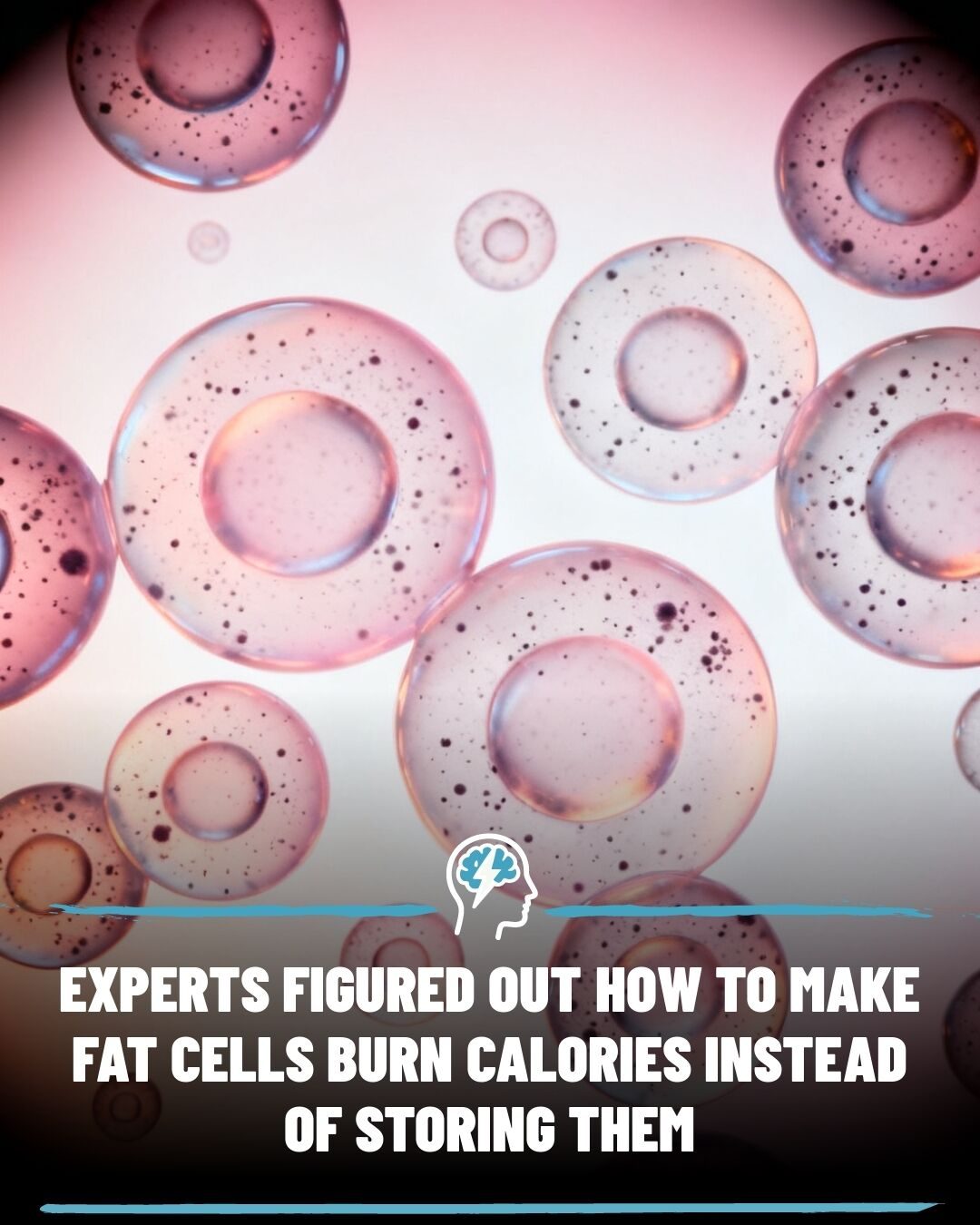
Fat Cell Metabolism: The Potential of KLF-15
Recent research from the University of California, San Francisco (UCSF) has uncovered a promising avenue in the field of fat cell metabolism, offering new insights into how the body can be coaxed to burn fat rather than store it. Scientists have discovered that suppressing a specific protein called KLF-15 can convert white fat cells, which typically store calories, into beige fat cells that burn calories to generate heat. This groundbreaking discovery opens up new possibilities for future therapies aimed at managing weight and metabolic health.
Context / Why this matters
Understanding how the body regulates fat storage and burning is crucial for developing effective treatments for obesity and related conditions. Traditional approaches to weight management have often focused on lifestyle changes and drugs that target specific receptors. However, these methods have shown limited success. The recent findings on KLF-15 provide a new direction, potentially unlocking more effective strategies for managing weight and metabolism.
Main discussion
The Role of KLF-15
KLF-15 acts as a lock that keeps fat cells in storage mode. When this protein is suppressed, white fat cells can naturally shift into beige, calorie-burning cells. This shift suggests that beige fat might be the default setting for fat cells in the absence of KLF-15. This discovery is significant because it identifies a key regulatory mechanism that could be targeted for therapeutic intervention.
The Mechanism
The research team found that KLF-15 controls a receptor called Adrb1, which plays a crucial role in regulating energy balance. Previous obesity drugs targeted a different receptor, Adrb3, with limited success. By focusing on Adrb1, researchers may have found a more effective pathway for influencing fat cell metabolism. This new understanding could lead to the development of more targeted and efficient treatments.
Implications for Future Therapies
The discovery of the KLF-15 pathway could open doors that were previously closed in the field of obesity research. By targeting this protein and its associated receptor, researchers may be able to develop therapies that more effectively promote fat burning and reduce fat storage. This could revolutionize the way we approach weight management and metabolic health.
Current Limitations
While the research represents a significant step forward, it is important to note that this discovery is still in the early stages. Results will vary by individual, and it is likely years away from any treatments based on this discovery. The body's complex nature means that no single protein is a magic solution. Therefore, ongoing research and development are necessary to fully understand and harness the potential of KLF-15.
Practical Tips
While it is not yet possible to suppress KLF-15 through lifestyle changes, this research highlights the importance of staying informed about scientific advancements in fat cell metabolism. For now, the most effective strategies for managing weight and metabolic health remain consistent daily habits such as a balanced diet and regular exercise. However, understanding the underlying mechanisms of fat cell metabolism can empower individuals to make more informed decisions about their health.
Important takeaways
- UCSF researchers have discovered that suppressing the protein KLF-15 can convert white fat cells into beige fat cells, which burn calories to generate heat.
- KLF-15 regulates a receptor called Adrb1, which is crucial for energy balance.
- This discovery could lead to new therapies for weight management and metabolic health.
- Current lifestyle changes remain the most effective strategies for managing weight.
- Staying informed about scientific advancements can empower individuals to make better health decisions.
Conclusion
The potential of KLF-15 in regulating fat cell metabolism offers a promising new direction in the field of weight management and metabolic health. While this discovery is still in the early stages, it represents a significant step forward in our understanding of how the body regulates fat storage and burning. By staying informed and continuing to support ongoing research, we can look forward to more effective strategies for managing weight and improving overall health.
Recent articles
Fresh deep dives from the latest Reels we unpacked.




Comments
Be the first to comment.