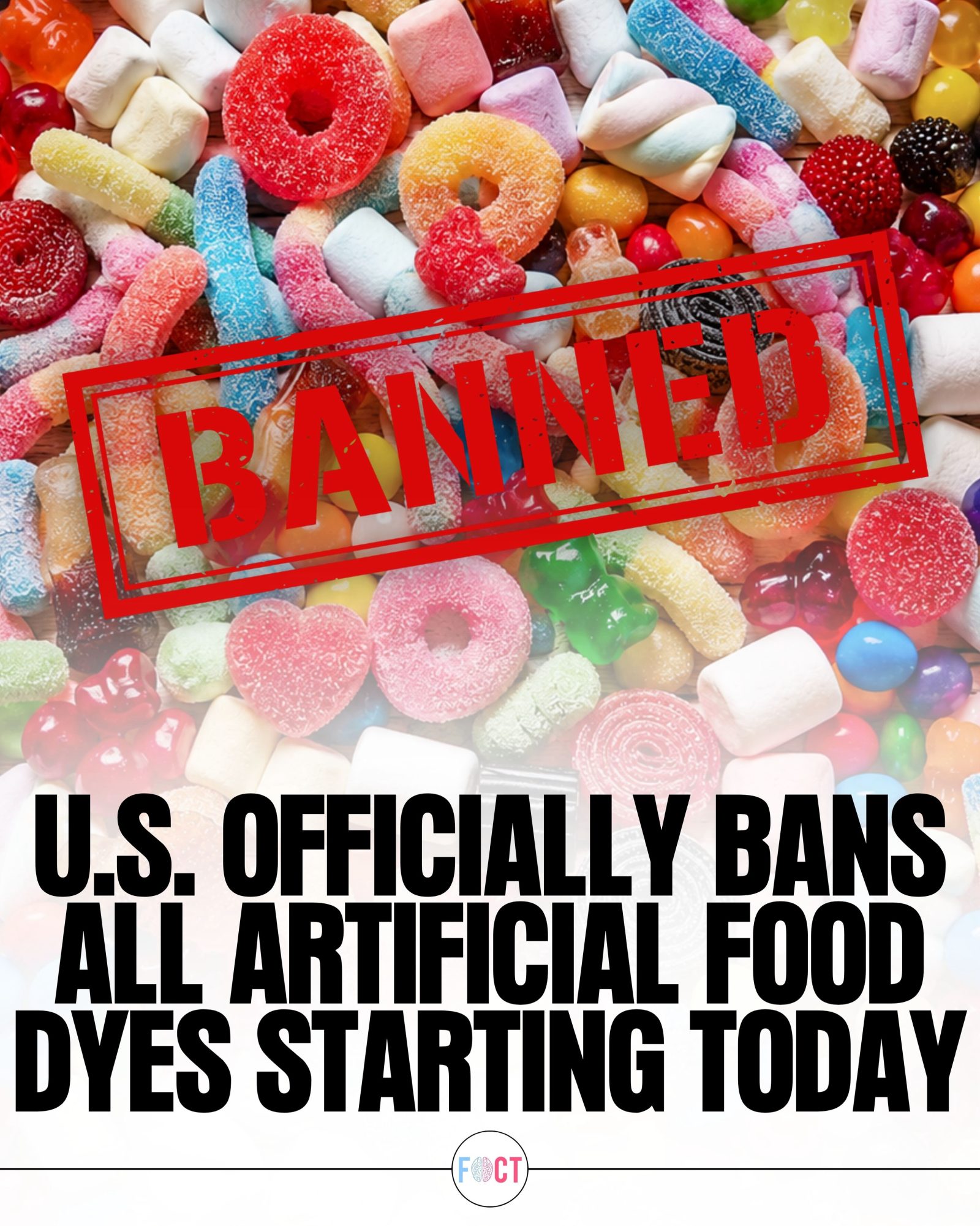
Artificial Food Dye Ban: What You Need to Know
The U.S. government has officially announced a full ban on artificial food dyes, marking a significant shift in food regulations. This decision involves a complete phase-out of synthetic, petroleum-based dyes by the end of 2026. Health Secretary Robert F. Kennedy Jr. and FDA Commissioner Marty Makary revealed that these dyes will be replaced with natural alternatives, giving the food industry two years to adapt.
Why This Matters
Artificial food dyes have been a contentious topic for decades. Each year, millions of pounds of these synthetic dyes are used in various food products, from candies to baked goods, to enhance their appearance. However, concerns over their potential health impacts have led to growing calls for regulation. With the ban now in effect, understanding the implications and changes is crucial for consumers and industry professionals alike.
Understanding the Ban
What Is Being Banned?
The ban encompasses all synthetic, petroleum-based food dyes currently in use. These include common dyes like Red 40, Yellow 5, and Blue 1, which are widely used in a variety of food products. The goal is to transition to natural alternatives that are considered safer and more environmentally friendly.
Timeline and Implementation
The ban will be fully implemented by the end of 2026, giving the food industry ample time to adapt. The FDA will approve four new natural dyes soon, providing manufacturers with the necessary options to comply with the new regulations. This transition period is designed to allow companies to reformulate their products without disrupting supply chains or causing shortages.
Natural Alternatives
Natural food dyes, derived from sources like fruits, vegetables, and minerals, will replace synthetic dyes. Examples of natural dyes include beetroot extract for red, turmeric for yellow, and spirulina for blue. These natural alternatives are generally recognized as safe (GRAS) by the FDA and are already used in some food products.
Implications for the Food Industry
The ban on artificial food dyes will have far-reaching effects on the food industry. Companies will need to invest in research and development to find suitable natural alternatives and reformulate their products. This transition may involve changes in manufacturing processes, supply chains, and even product packaging.
Cost and Logistical Challenges
One of the primary challenges for the food industry is the cost associated with switching to natural dyes. Natural dyes can be more expensive and less stable than synthetic ones, potentially leading to higher production costs. Companies will need to balance these increased costs with consumer demand for natural and sustainable products.
Consumer Demand and Market Trends
Consumer demand for natural and organic products has been steadily increasing. This trend aligns well with the ban on artificial food dyes, as consumers are likely to embrace products that are free from synthetic additives. Companies that can effectively transition to natural dyes may gain a competitive advantage in the market.
Practical Tips for Consumers
As a consumer, it's essential to stay informed about the changes happening in the food industry. Here are some practical tips to navigate the transition:
Understand Labels: Learn to recognize natural food dyes on product labels. Look for ingredients like beetroot extract, turmeric, and spirulina, which are common natural alternatives.
Support Sustainable Brands: Choose brands that are committed to using natural and sustainable ingredients. Your support can encourage more companies to make the switch.
Stay Informed: Keep up-to-date with the latest developments in food regulations and industry changes. This will help you make informed decisions about the products you consume.
Important Takeaways
The ban on artificial food dyes is a significant step forward in food safety and regulation. By transitioning to natural alternatives, the U.S. aims to enhance the safety and sustainability of its food supply. Consumers can expect to see changes in product formulations and packaging as the industry adapts to the new regulations.
For the food industry, the challenge lies in effectively managing the transition while maintaining product quality and consumer satisfaction. Companies will need to invest in research and development to find viable natural alternatives and adapt their manufacturing processes accordingly.
Conclusion
The U.S. ban on artificial food dyes represents a pivotal moment in food regulation, driven by concerns over health and sustainability. Natural dyes offer a safer and more environmentally friendly alternative, aligning with the growing demand for natural and organic products. As the industry adapts to these changes, consumers and companies alike will play a crucial role in shaping the future of food safety and sustainability. Stay informed, support sustainable brands, and be part of this transformative shift in the food landscape.
Questions readers ask
Which artificial food dyes are being banned?
The ban specifically targets synthetic, petroleum-based dyes including Red 40, Yellow 5, and Blue 1. These dyes are commonly used in a variety of food products to enhance their appearance.
What will replace the banned artificial food dyes?
Natural food dyes will replace the banned artificial food dyes. The food industry has been given until the end of 2026 to transition to these natural alternatives.
Why is the U.S. government banning artificial food dyes?
The ban is a response to long-standing concerns about the potential health impacts of artificial food dyes. The government aims to address these issues by phasing out synthetic dyes in favor of natural alternatives.
What is the timeline for the food dye ban?
The full ban on artificial food dyes is set to take effect by the end of 2026. This gives the food industry a two-year period to adapt to the new regulations and transition to natural food dyes.
Which government officials announced this ban?
The ban on artificial food dyes was announced by Health Secretary Robert F. Kennedy Jr. and FDA Commissioner Marty Makary. They emphasized the importance of this regulatory change and the need for the food industry to comply.
Related deep dives
Similar reads based on topic and creator.




Recent articles
Fresh deep dives from the latest Reels we unpacked.




Comments
Be the first to comment.