Dental Health and Whitening
Teeth whitening is a popular cosmetic procedure, but it's often misunderstood. The idea that whiter teeth are automatically weaker is a common misconception. The reality is more nuanced, involving the structure and natural color of teeth. Let's delve into the science behind tooth color, the effects of whitening, and what it means for your dental health.
Context / Why this matters
Tooth color is largely determined by the thickness of the enamel and the underlying dentin. Enamel, the outermost layer, is translucent and naturally has a slightly yellow tint. Below the enamel lies dentin, a yellowish layer that gives teeth their natural color. The perception of tooth color is influenced by how much of the yellow dentin shows through the enamel.
Main discussion
The Natural Color of Teeth
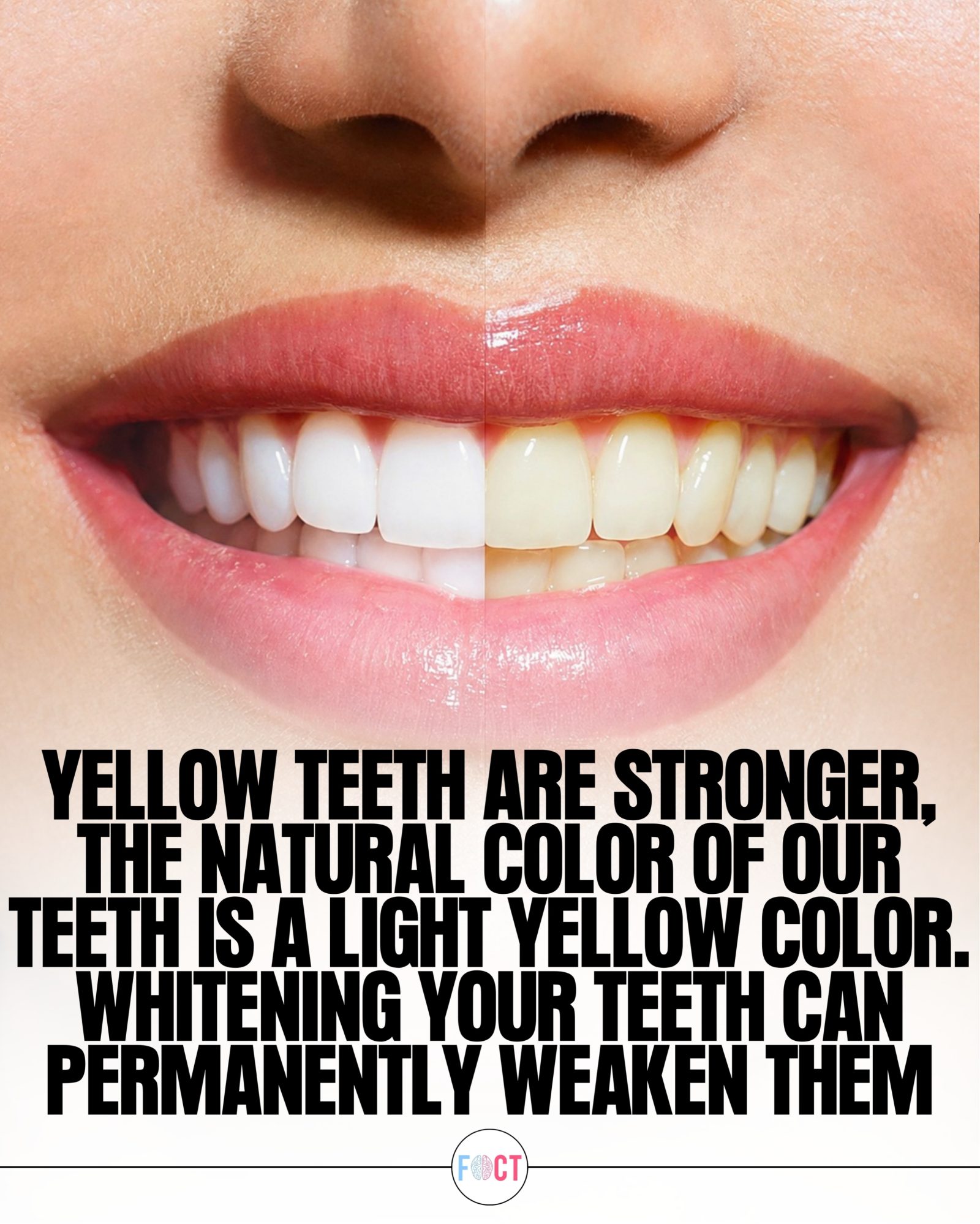
Natural teeth are a light yellow color, not the bright white often portrayed in media. This natural hue is due to the combination of enamel and dentin. Enamel, being translucent, allows the yellow dentin to influence the overall tooth color. The thickness of the enamel varies from person to person, affecting how much of the dentin shows through. Some people naturally have thicker enamel, giving them a whiter smile, while others have thinner enamel, resulting in a more yellow appearance. This variation is largely genetic and doesn't indicate the strength or health of the teeth.
The Role of Enamel
Enamel is the hardest substance in the human body, but it can wear down over time. Factors such as age, grinding, and acidic foods can thin the enamel, allowing more of the yellow dentin to show through. This can sometimes give the misleading impression that yellow teeth are stronger. In reality, a yellowing smile can be a sign of enamel erosion, which may require dental intervention.
Whitening and Tooth Health
Whitening treatments aim to lighten the color of teeth, but the process can potentially weaken them if not done correctly. Overuse of harsh, abrasive over-the-counter products can wear down the enamel, increasing tooth sensitivity and making teeth more susceptible to damage. However, dentist-supervised professional whitening, using controlled bleaching agents, is generally considered safe for enamel and doesn't cause permanent structural damage.
The idea that whitening teeth can permanently weaken them is a misconception. The real issue is the misuse of whitening products, not the procedure itself. Properly administered whitening treatments do not inherently weaken teeth. In fact, they can enhance the cosmetic appearance of your smile without compromising dental health.
Practical tips
-
Consult a Dentist: If you're considering whitening your teeth, consult a dental professional first. They can assess the condition of your enamel and recommend the best course of action.
-
Avoid Over-the-Counter Products: Be cautious with over-the-counter whitening products, which can be too abrasive and damage your enamel. Opt for professional treatments under the supervision of a dentist.
-
Maintain Good Oral Hygiene: Tooth color is influenced by how well you care for your teeth. Regular brushing, flossing, and professional cleanings can help maintain your natural tooth color and keep your enamel strong.
-
Limit Acidic Foods and Drinks: Acidic substances can erode enamel over time, leading to a yellowing smile. Try to limit your intake of acidic foods and drinks, and rinse your mouth with water afterward.
-
Regular Check-Ups: Regular dental check-ups can help monitor the health of your teeth and address any issues early. Your dentist can also provide personalized advice on maintaining your tooth color and overall dental health.
Important takeaways
Natural teeth are a light yellow color, not the bright white often depicted in media. The perception of tooth color is influenced by the thickness of the enamel and the underlying dentin. Whitening treatments, when done properly, do not inherently weaken teeth. The real risk comes from overusing harsh, abrasive products.
To maintain the health and color of your teeth, it's essential to consult a dental professional, avoid over-the-counter whitening products, maintain good oral hygiene, and limit acidic foods and drinks. Regular dental check-ups can also help monitor the health of your teeth and address any issues early.
Conclusion
Tooth color is a complex issue that involves the interplay of enamel and dentin. Understanding the natural color of teeth and the effects of whitening can help you make informed decisions about your dental health. By taking proper care of your teeth and consulting a dental professional, you can maintain a healthy, vibrant smile.
Questions readers ask
What causes teeth to appear yellow?
Teeth can appear yellow due to the natural transparency of enamel, which allows the underlying dentin to show through. Dentin is naturally yellowish, so as enamel wears thin, more dentin is exposed, making teeth appear more yellow. Additionally, factors like aging, certain foods, and beverages can contribute to this effect.
Is it safe to whiten teeth?
Whitening teeth is generally safe when done correctly and under the supervision of a dentist. However, some risks include increased tooth sensitivity and gum irritation. It's important to follow professional guidelines and use approved products to minimize these risks.
How does teeth whitening work?
Teeth whitening procedures typically use hydrogen peroxide or carbamide peroxide to bleach the teeth. These agents penetrate the enamel and break down the stains, effectively lightening the color of the teeth. The process can vary depending on the method used, such as in-office treatments or at-home kits.
What are the best methods to whiten teeth?
The best methods for teeth whitening depend on individual needs and preferences. In-office treatments, performed by dental professionals, offer the fastest results. At-home kits, whether over-the-counter or dentist-prescribed, provide a more gradual whitening process. Natural remedies like baking soda and hydrogen peroxide can also help, but they should be used with caution.
Does whitening weaken teeth?
Whitening does not inherently weaken teeth. The misconception often arises because whitening can temporarily increase tooth sensitivity. This sensitivity is usually temporary and does not indicate any lasting damage to the tooth structure. Proper use of whitening products minimizes these effects.
What is the difference between natural tooth color and yellow teeth?
Natural tooth color is influenced by the thickness of the enamel and the underlying dentin. Enamel is slightly yellowish, and dentin is yellowish as well. As enamel wears down, more dentin is exposed, causing teeth to appear more yellow. However, everyone's natural tooth color varies, and it's important to understand that slight yellowing can be a normal part of tooth biology.
Can I whiten teeth naturally at home?
Yes, there are natural methods to whiten teeth at home, such as using baking soda, hydrogen peroxide, or activated charcoal. However, it's crucial to use these methods with caution. Overuse or improper application can lead to enamel damage and increased tooth sensitivity. Always consult with a dental professional before trying any natural whitening methods.
Related deep dives
Similar reads based on topic and creator.



Recent articles
Fresh deep dives from the latest Reels we unpacked.




Comments
Be the first to comment.