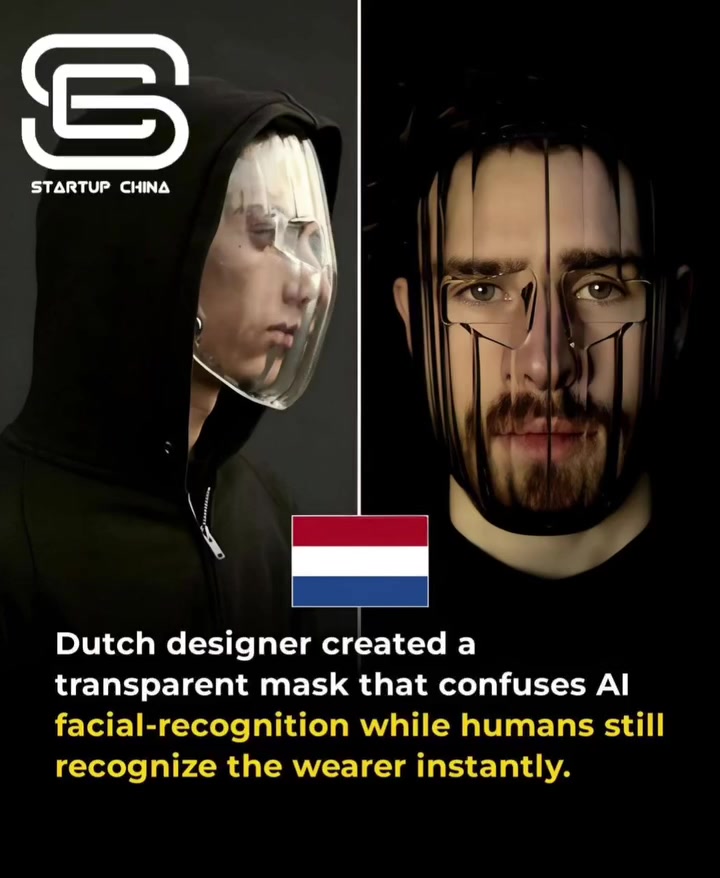
Transparent Face Masks and AI Facial Recognition
Transparent face masks represent an intriguing intersection of fashion, technology, and privacy. Designed to confuse AI facial recognition systems, these masks allow humans to recognize the wearer while deceiving automated systems. This innovative approach raises interesting questions about the future of facial recognition technology and personal privacy.
Why This Matters
As facial recognition technology becomes more prevalent in our daily lives, concerns about privacy and surveillance have grown. Transparent masks offer a novel solution to these challenges, providing a way to maintain anonymity in public settings while still allowing for human interaction. This innovation is particularly relevant in an age where facial recognition is used for everything from security systems to targeted advertising.
Main Discussion
How Transparent Masks Work
Transparent face masks are designed to look like a pair of glasses or a face shield, often completely covering the face. The key to their effectiveness lies in the material used, which is designed to confuse AI systems by obscuring the key facial features that these systems rely on to identify individuals. The mask's transparency ensures that humans can still recognize the wearer, making it a practical solution for everyday use.
The design is attributed to a Dutch designer, showcasing a blend of European innovation and practicality. The mask is manufactured by Startup China, highlighting the global nature of technological advancements in this field.
Applications and Use Cases
Transparent masks have a wide range of potential applications. They can be used in public settings where anonymity is desired, such as protests, political events, or simply for individuals who value their privacy. In addition, they can be useful in situations where facial recognition is used for security purposes, such as in airports or public buildings, allowing users to maintain a degree of anonymity.
Ethical and Legal Considerations
The use of transparent masks also raises important ethical and legal considerations. On one hand, they can be seen as a tool for enhancing personal privacy and security. On the other hand, some argue that they could be used to evade security measures or commit fraud, posing new challenges for law enforcement and security systems.
Practical Tips
Choosing the Right Mask
When selecting a transparent mask, consider the following factors:
- Material: Ensure the mask is made from a material that effectively obscures facial features from AI systems while remaining transparent to humans.
- Comfort: The mask should be comfortable to wear for extended periods, especially if you plan to use it daily.
- Durability: Opt for a durable material that can withstand frequent use and cleaning.
- Design: Choose a design that suits your personal style and needs, whether it's a pair of glasses or a face shield.
Maintaining the Mask
Proper maintenance of your transparent mask is essential for ensuring its longevity and effectiveness. Here are some tips:
- Cleaning: Regularly clean the mask with a mild soap and water solution to remove dirt and oils.
- Storage: Store the mask in a cool, dry place when not in use to prevent damage.
- Inspection: Periodically inspect the mask for signs of wear and tear, and replace it if necessary.
Important Takeaways
Transparent masks offer a unique solution to the challenges posed by AI facial recognition technology. They allow users to maintain their privacy while still interacting with the world in a meaningful way. However, it is important to consider the ethical and legal implications of using such technology, as well as the potential applications and use cases.
Conclusion
Transparent face masks represent a fascinating development in the world of facial recognition technology. By obscuring key facial features from AI systems while remaining transparent to humans, they offer a practical solution to the challenges of privacy and surveillance in the digital age. As technology continues to evolve, it is likely that we will see more innovations in this field, providing individuals with even greater control over their personal data and privacy.
Questions readers ask
How do transparent masks work to deceive AI facial recognition systems?
Transparent masks trick AI by disrupting the algorithms that rely on distinct facial features. By creating visual interference, these masks make it challenging for AI to accurately map and recognize faces, while still allowing humans to see the wearer's face clearly. This is achieved through innovative design elements that maintain transparency and clarity for human eyes.
Can transparent masks be used for everyday activities?
Yes, transparent masks are designed to be worn in daily life. They are created to allow humans to easily see the wearer's face, ensuring they are suitable for social interactions, work environments, and any public setting. This makes them a practical choice for those concerned about privacy in their daily routines.
Are transparent masks effective against all types of facial recognition systems?
Transparent masks are effective against many AI facial recognition systems that rely on clear facial feature mapping. However, their effectiveness may vary depending on the sophistication of the AI and the specific technology used. Some advanced systems may still attempt to recognize faces through transparent barriers, so it's important to consider the context and type of AI systems you encounter.
How do transparent masks ensure privacy while allowing human interaction?
Transparent masks balance privacy and social interaction by being see-through for humans. While humans can see the wearer's face, the masks introduce visual noise that disrupts AI algorithms. This design allows users to maintain a level of anonymity from AI surveillance systems without compromising the ability to interact with others in person.
What are the key design features of transparent masks?
Transparent masks feature innovative designs that include see-through materials and strategic patterns. These elements ensure that while the wearer's face is visible to humans, the visual interference created by the mask confuses AI systems. The transparency and clarity for human eyes are carefully balanced with the need to disrupt AI facial recognition algorithms.
Can transparent masks be customized for personal style?
Yes, many transparent masks offer customization options to suit personal style. Designs can vary in color, pattern, and framing to match individual preferences. This blend of fashion and technology ensures that users can express their style while also addressing privacy concerns related to AI facial recognition.
Are there any limitations to using transparent masks for privacy?
While transparent masks are effective against many AI systems, they may not be foolproof against all advanced or specialized facial recognition technologies. Their effectiveness can also depend on the angle and lighting conditions, as well as the specific design of the mask. Additionally, users should be aware that some high-security areas or applications might have additional measures in place to counteract such masks.
Related deep dives
Similar reads based on topic and creator.




Recent articles
Fresh deep dives from the latest Reels we unpacked.




Comments
Be the first to comment.