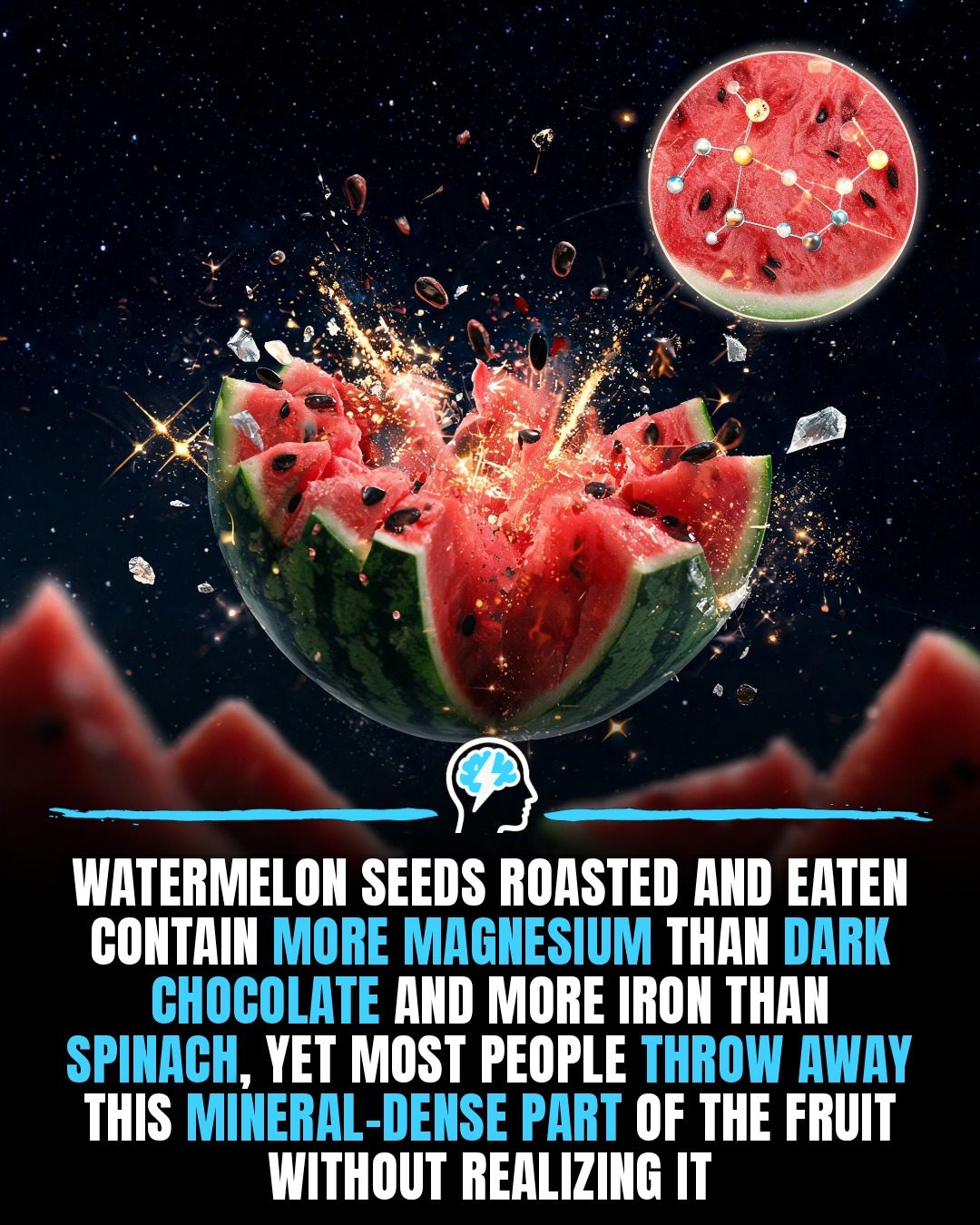
Watermelon Seeds: A Nutrient-Packed Powerhouse
Most people discard watermelon seeds without a second thought, but these tiny seeds are a nutritional powerhouse, packed with essential minerals and nutrients that often go unnoticed. While the juicy red flesh of the watermelon is celebrated, the seeds are just as valuable, if not more so, in terms of nutritional content.
Why Watermelon Seeds Matter
If you've been tossing out watermelon seeds, consider this: they contain more magnesium and iron than some well-known superfoods. This makes them a great addition to your diet, providing a range of health benefits. By incorporating roasted watermelon seeds into your meals, you can enhance your nutrient intake without much effort.
Magnesium: The Essential Mineral
Magnesium plays a crucial role in over 300 biochemical reactions in the body, making it an essential mineral for overall health. Watermelon seeds are an excellent source of magnesium, containing over 500mg per 100g. This amount is more than double what you'd find in high-quality dark chocolate. Switching from a sugary treat to a handful of roasted watermelon seeds can support your heart and nervous system, all while avoiding the sugar crash that often comes with chocolate.
Iron: Vital for Blood Health
Iron is another key nutrient found in watermelon seeds. With nearly 2.7mg of iron per 100g, these seeds contain more iron than spinach. Iron is vital for maintaining blood health, oxygen transport, and energy levels. Adding watermelon seeds to your diet can be a solid plant-based choice to boost your iron intake.
Main Discussion
Nutritional Profile of Watermelon Seeds
Watermelon seeds are not only rich in magnesium and iron but also offer a variety of other nutrients. They are one of the most protein-dense plant snacks, making them an excellent choice for vegetarians and vegans. Additionally, they contain:
- Zinc: Supports immune function and helps with cell division and growth.
- Potassium: Balances blood pressure and supports heart health.
- Omega 6 Fatty Acids: Beneficial for brain and skin health.
- Copper and Manganese: Essential for bone formation and metabolism.
Roasting and Preparation
Roasting watermelon seeds is a simple process that transforms them into a savory, crunchy snack. Here’s a quick guide to get you started:
- Preparation: Rinse the seeds thoroughly and pat them dry. This ensures they roast evenly and prevents them from sticking together.
- Seasoning: Toss the seeds with a light coat of olive oil and a pinch of sea salt. You can also experiment with other seasonings like garlic powder, paprika, or chili flakes for added flavor.
- Roasting: Spread the seeds evenly on a baking sheet and roast them in the oven at 325°F (163°C) for about 15 minutes, or until they are crispy. Keep an eye on them to prevent burning.
- Serving: Enjoy the roasted seeds plain or sprinkle them over salads, yogurt bowls, or trail mixes for added crunch and nutrition.
Versatility in the Kitchen
Watermelon seeds are incredibly versatile and can be incorporated into various dishes. Here are a few ideas to get you started:
- Snack: Enjoy a handful of roasted seeds as a quick and nutritious snack.
- Salad Topping: Sprinkle them over your favorite salad for added crunch and nutrition.
- Baking: Use ground watermelon seeds as a flour substitute in baked goods for a nutrient boost.
- Yogurt Bowl: Top your yogurt with a mix of roasted seeds and fresh fruit for a balanced, nutritious breakfast.
Practical Tips
To make the most of your watermelon seeds, consider the following tips:
- Save the Seeds: Next time you cut into a watermelon, save the seeds instead of discarding them. Rinse and pat them dry, then store them in an airtight container in the refrigerator until you are ready to roast them.
- Season Creatively: Experiment with different seasonings to find your favorite flavor combinations. You can also mix and match to keep things interesting.
- Store Properly: Roasted watermelon seeds can be stored in an airtight container at room temperature for up to a month. This makes them a convenient snack to have on hand.
- Use Them often: Incorporate watermelon seeds into your regular meals and snacks to boost your nutrient intake easily.
Important Takeaways
- Nutrient-Dense: Watermelon seeds are a nutrient-dense part of the fruit, packed with essential minerals and nutrients.
- Magnesium and Iron: They contain more magnesium and iron than some well-known superfoods, making them a valuable addition to your diet.
- Versatile: Roasted watermelon seeds can be enjoyed in various ways, from a crunchy snack to a topping for salads and yogurt bowls.
Conclusion
Watermelon seeds are more than just a byproduct of enjoying a refreshing fruit. They are a powerhouse of nutrients that can significantly enhance your diet. By roasting and incorporating these seeds into your meals, you can enjoy a range of health benefits while reducing food waste. So, the next time you cut into a watermelon, remember to save the seeds and put nature's mineral reserves to good use.
Questions readers ask
What are the benefits of consuming roasted watermelon seeds?
Roasted watermelon seeds provide a variety of health benefits including supporting blood health due to their iron content, aiding in energy production and muscle function thanks to their magnesium, and offering a good source of essential nutrients.
What nutrients are found in watermelon seeds?
Watermelon seeds are a rich source of several essential nutrients, including magnesium, iron, and protein. They also contain other minerals and vitamins that contribute to overall health.
How can I incorporate watermelon seeds into my diet?
One of the easiest ways to consume watermelon seeds is to roast them in the oven or a dry pan, then sprinkle them on salads, soups, or yogurt. Additionally, they can be enjoyed as a snack on their own or mixed with dark chocolate for a sweet-tangy combination.
Why should I roast watermelon seeds instead of eating them raw?
Roasting watermelon seeds enhances their flavor and crunch, making them more enjoyable to eat. Additionally, roasting can help to improve the digestibility of the seeds, making it easier for your body to absorb their nutrients.
Do roasted watermelon seeds help in reducing food waste?
Yes, consuming roasted watermelon seeds can help reduce food waste. Instead of discarding them, you can turn them into a nutritious and tasty snack, making the most out of the entire watermelon.
How do the nutritional benefits of watermelon seeds compare to other seeds?
Watermelon seeds are comparable to other nutrient-dense seeds like pumpkin and sunflower seeds. They are particularly high in magnesium and iron, which are essential for various bodily functions.
Related deep dives
Similar reads based on topic and creator.



Recent articles
Fresh deep dives from the latest Reels we unpacked.




Comments
Be the first to comment.