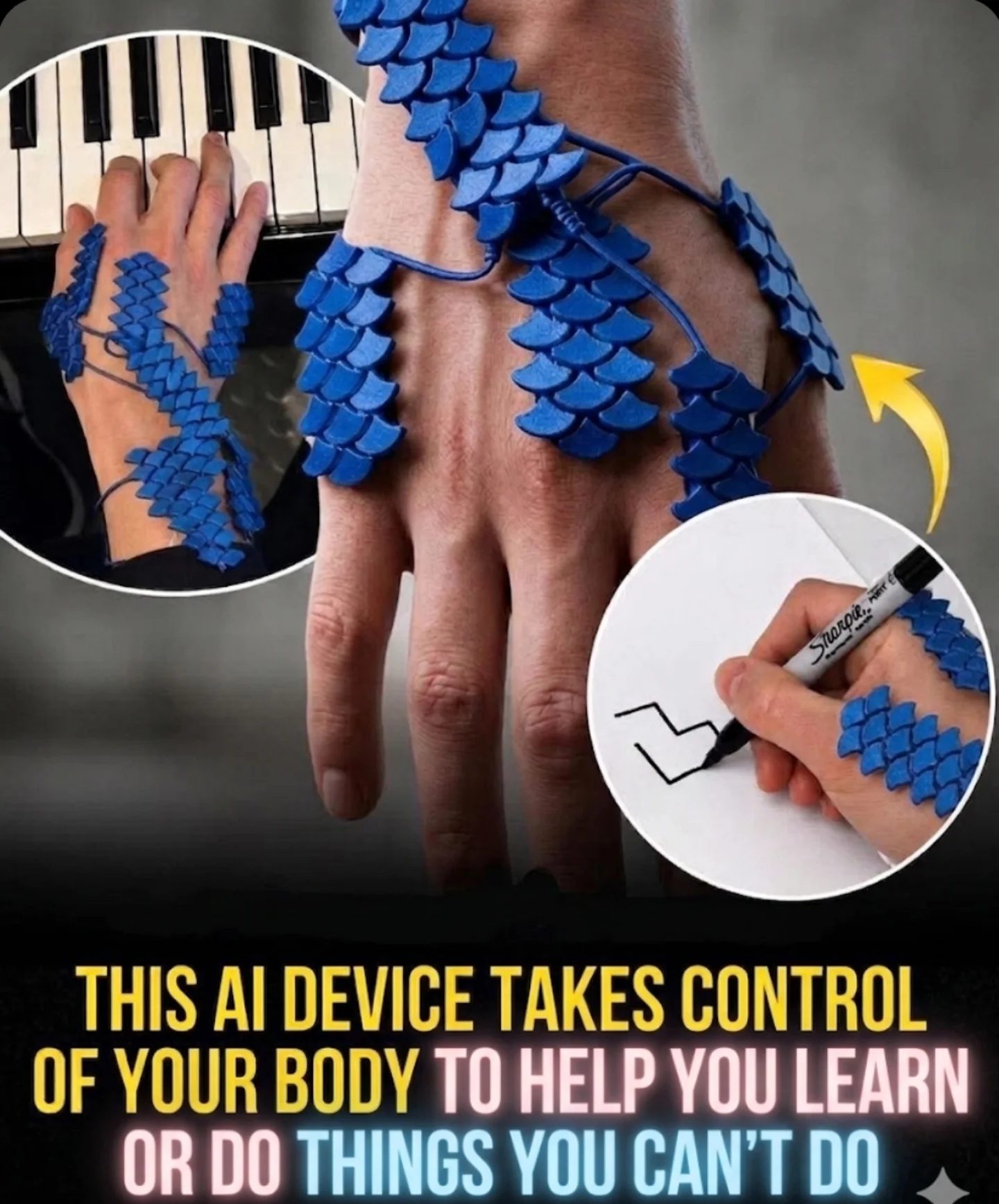
AI Devices for Body Control: Enhancing Learning and Performance
AI devices designed for body control represent an intriguing frontier in wearable technology, offering new ways to learn and perform tasks that might otherwise be challenging. These innovative tools are engineered to assist users in mastering complex movements and skills, making them invaluable for a variety of applications.
Context / Why this matters
Body control AI devices are more than just gadgets; they are innovative tools that can transform how we interact with the world. Whether you're an athlete aiming to perfect your technique, a musician refining your skills, or someone recovering from an injury, these devices can provide the edge needed to achieve your goals. The potential applications are vast, from physical therapy and rehabilitation to enhancing performance in various athletic and artistic disciplines.
Main discussion
Understanding Body Control AI Devices
Body control AI devices are sophisticated wearable technologies designed to assist users in performing tasks that require precise body movements. These devices typically consist of sensors and actuators that monitor and influence muscle activity, providing real-time feedback and adjustments. The goal is to help users learn new skills, improve existing ones, or recover from injuries more effectively.
The device showcased in the demonstration resembles a blue, scale-like sleeve or wrap worn on the arm. This design suggests a focus on providing targeted support and feedback for specific movements, such as drawing or playing a musical instrument. The visual representation of the device's effect on the whiteboard further underscores its capability to assist in tasks that involve fine motor skills.
How AI Devices Assist Learning
AI devices leverage advanced algorithms to analyze and interpret movement data, providing users with actionable insights and guidance. By monitoring muscle activity and joint movements, these devices can identify areas where improvements are needed and offer real-time feedback to help users correct their form and technique.
For example, a musician learning a new piece might use a body control AI device to monitor their hand and arm movements. The device can provide immediate feedback on posture, grip, and technique, helping the musician refine their skills more efficiently. Similarly, an athlete recovering from an injury could use the device to gradually reintroduce specific movements, ensuring that they are performed correctly to prevent further damage.
Applications in Rehabilitation and Therapy
One of the most promising applications of body control AI devices is in the field of rehabilitation and physical therapy. These devices can assist patients in recovering from injuries or neurological conditions by providing targeted support and feedback during therapy sessions.
For instance, a patient recovering from a stroke might use a body control AI device to regain mobility in their affected limb. The device can monitor muscle activity and provide real-time feedback, helping the patient perform exercises more effectively and accelerating their recovery process.
Enhancing Athletic and Artistic Performance
Body control AI devices are also valuable tools for athletes and artists looking to enhance their performance. By providing real-time feedback and adjustments, these devices can help users refine their techniques and achieve greater precision and control in their movements.
An athlete, for example, might use a body control AI device to perfect their technique in a specific sport, such as golf or tennis. The device can analyze their swing or serve and provide immediate feedback on areas for improvement, helping them develop a more effective and efficient technique.
Similarly, a dancer or gymnast could use the device to refine their movements and improve their performance. The real-time feedback and adjustments provided by the device can help them achieve greater precision and control, leading to more impressive and flawless performances.
Practical Tips
Choosing the Right Device
When selecting a body control AI device, it's essential to consider your specific needs and goals. Look for devices that are designed to address the areas where you need the most improvement, whether it's fine motor skills, strength training, or rehabilitation.
Incorporating the Device into Your Routine
To get the most out of your body control AI device, incorporate it into your daily routine. Practice with the device regularly, and use the feedback it provides to make gradual improvements in your technique and performance.
Seeking Professional Guidance
For optimal results, consider working with a professional, such as a physical therapist or coach, who can provide additional guidance and support as you use the device. They can help you set realistic goals, monitor your progress, and make adjustments to your training program as needed.
Important Takeaways
Body control AI devices offer a powerful tool for enhancing learning and performance in a variety of fields. Whether you're an athlete, artist, or someone recovering from an injury, these devices can provide the support and feedback needed to achieve your goals. By understanding how these devices work and incorporating them into your routine, you can unlock new levels of skill and performance.
Conclusion
In conclusion, body control AI devices represent a groundbreaking advancement in wearable technology, offering new ways to learn, perform, and recover. By providing real-time feedback and support, these devices can help users achieve their goals more effectively, whether in sports, arts, or rehabilitation. Embrace the potential of body control AI devices to elevate your skills and performance to new heights.
Questions readers ask
What are AI body control devices and how do they work?
AI body control devices are wearable technologies that use artificial intelligence to monitor and analyze your body movements. They work by providing real-time feedback and guidance to help you learn and perform complex physical tasks more efficiently.
Who can benefit from using AI body control devices?
A wide range of individuals can benefit from these devices, including athletes looking to improve their technique, musicians aiming to refine their skills, and those recovering from injuries who need assistance in regaining mobility. These devices have applications in sports, music, rehabilitation, and beyond.
What kind of feedback do these AI devices provide?
AI body control devices offer real-time feedback through various means such as visual cues, auditory signals, or haptic responses. This instant feedback helps users correct their movements immediately, making the learning process more effective and efficient.
Can AI body control devices be used for rehabilitation?
Yes, these devices are particularly useful in rehabilitation settings. They can assist individuals in recovering from injuries by providing precise guidance on movements, helping to prevent re-injury and speeding up the recovery process.
Are there specific AI wearable devices designed for different body parts?
Yes, there are various AI wearable devices designed to target specific body parts, such as the IQutech body control sleeve for arm movements, an AI body control hand for fine motor skills, and an AI body control arm for broader arm and shoulder movements.
How do AI-powered body control wearables enhance performance?
AI-powered body control wearables enhance performance by offering detailed, immediate feedback that helps users refine their movements and techniques. This real-time analysis allows for quicker corrections and improvements, leading to better overall performance in various physical activities and tasks.
What are some examples of tasks that can be improved with AI body control devices?
Examples of tasks that can be improved include sports techniques like golf swings or tennis serves, musical skills like piano playing or violin techniques, and physical therapy exercises for injury recovery. The devices can assist in mastering these tasks by breaking them down and providing specific guidance on each movement.
Related deep dives
Similar reads based on topic and creator.




Recent articles
Fresh deep dives from the latest Reels we unpacked.




Comments
Be the first to comment.