Time Perception and Digital Clocks
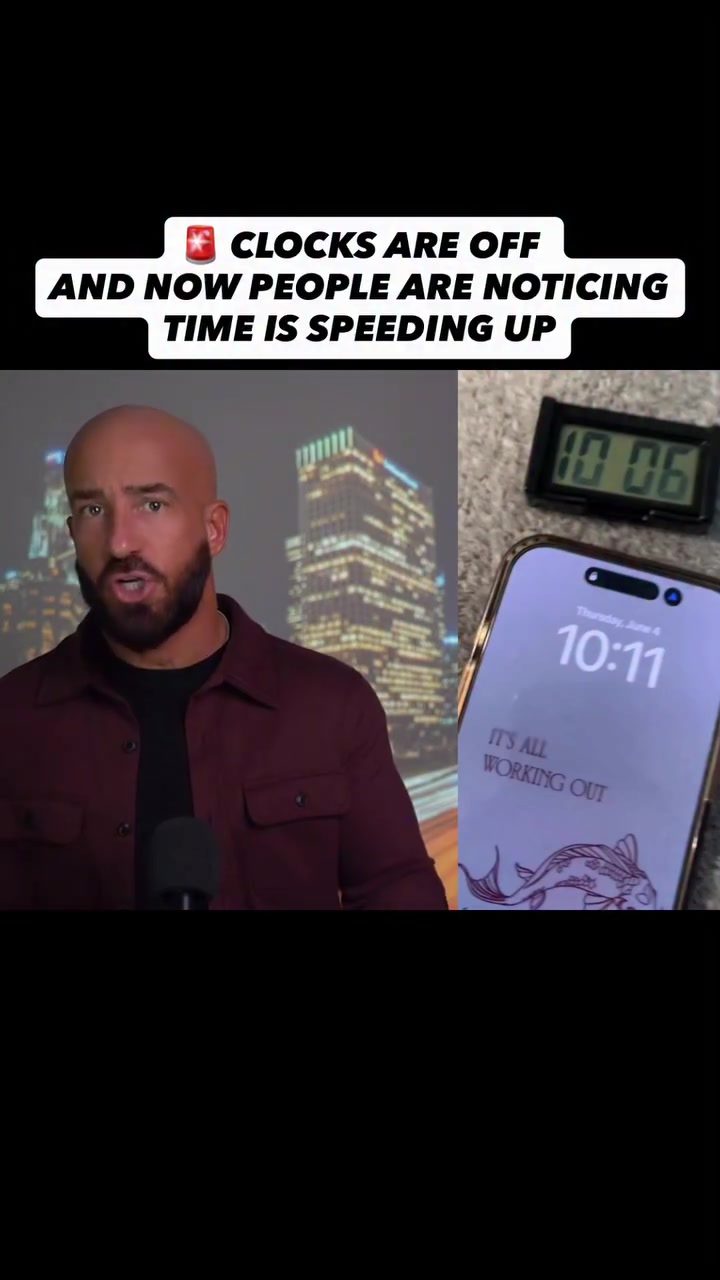
People are reporting discrepancies between their smartphones and older digital clocks, sparking a viral trend of questions about time perception. The trend involves observations that old digital clocks and smartphones, once accurate, are now showing different times, with modern devices often reading ahead. This has led to widespread speculation about time perception and the accuracy of digital clocks.
Why This Matters
The perception of time and its accuracy are crucial in our fast, tech-driven world. Timekeeping is not just about setting alarms or tracking appointments; it's about synchronizing schedules, coordinating efforts, and ensuring systems function correctly. Any discrepancy in timekeeping can cause ripple effects in everyday life and complex systems. Understanding why these inconsistencies are happening is essential for maintaining trust in our digital tools and ensuring they work as intended.
Main Discussion
The Viral Trend: Smartphones vs. Old Digital Clocks
The trend began when a woman shared her experience with an old digital clock. The clock had been accurate for years, but this year, she noticed that her smartphone was consistently six minutes ahead. The anomaly sparked a broader discussion about time perception and digital clock accuracy.
The Role of Smartphones and Digital Clocks
Smartphones are equipped with highly accurate timekeeping mechanisms. These devices use various signals, including GPS and network time protocols, to synchronize time with atomic clocks. The accuracy of smartphones is usually within a few milliseconds. Older digital clocks, while reliable, may not have the same level of precision and are often less capable of synchronizing with external time sources.
Possible Causes of Time Discrepancies
There are a few plausible explanations for the inconsistencies being reported:
- Device-Specific Issues: Some users have suggested that specific smartphone models or software updates might be causing the discrepancies. It’s possible that a software bug or a misconfigured network time protocol could lead to inaccurate timekeeping.
- Time Zone and Daylight Saving Changes: Variations in time zones and daylight saving changes can cause temporary discrepancies. Smartphones often adjust automatically, while older digital clocks might require manual adjustments.
- Network Synchronization: Smartphones synchronize time over the internet, making them vulnerable to network delays or errors. Older digital clocks might not have this issue, as they rely on their internal mechanisms.
- Environmental Factors: Environmental conditions, such as temperature and humidity, can affect the accuracy of older digital clocks. Modern smartphones, however, are designed to mitigate these effects.
Smartphone Accuracy
Smartphones use sophisticated timekeeping methods that involve multiple sources. Inaccuracies in timekeeping can happen, but they are usually minimal. Here’s how smartphones keep accurate time:
- Atomic Time Synchronization: Smartphones use signals from atomic clocks to synchronize time. These signals are highly precise and reliable.
- GPS and Network Time Protocols: Smartphones can use GPS and network time protocols (NTP) to synchronize time. These methods ensure that the device's clock is accurate to within a few milliseconds.
- Software Updates and Bug Fixes: Regular software updates help maintain the accuracy of the clock. These updates often include bug fixes and improvements that enhance timekeeping reliability.
The Perception of Time
The perception of time can also be influenced by psychological and neurological factors. People often experience time differently based on their surroundings, activities, and emotional states.
- Perception of Time: Psychological studies have shown that time perception can be distorted by various factors, including stress, boredom, and excitement. People might feel that time is moving faster or slower depending on their mental and emotional states.
- Neurological Factors: The brain's processing speed and neural pathways can also affect how time is perceived. People with certain neurological conditions might experience time differently from those without.
Practical Tips
Adjusting to Time Discrepancies
For those experiencing discrepancies between their smartphones and older digital clocks, here are some practical tips:
-
Manual Adjustments: If possible, manually adjust the time on your older digital clock to match the time on your smartphone. This can help ensure consistency between devices.
-
Check for Software Updates: Ensure your smartphone is up-to-date with the latest software. Updates often include bug fixes and improvements that can enhance timekeeping accuracy.
-
Use GPS and Network Time Protocols: Make sure your smartphone is set to synchronize time using GPS and network time protocols. This can help maintain accurate timekeeping.
-
Consult a Professional: If the issue persists, consider consulting a professional. They can help identify any underlying issues with your devices and provide potential solutions.
Important Takeaways
The trend of time discrepancies between smartphones and older digital clocks highlights the complexities of accurate timekeeping. Here are the key takeaways:
- Modern Devices and Older Clocks: Smartphones and older digital clocks use different methods for timekeeping, leading to potential discrepancies.
- Environmental and Software Factors: Various factors, including environmental conditions and software updates, can affect the accuracy of timekeeping.
- Time Perception: Psychological and neurological factors can influence how time is perceived, even when devices are accurate.
Conclusion
The viral trend of smartphones and older digital clocks showing different times has sparked a significant conversation about time perception and accuracy. Understanding these discrepancies and their underlying causes is essential for maintaining trust in our digital tools. Whether it’s adjusting your devices or keeping them updated, taking practical steps can help ensure accurate timekeeping in your daily life.
Questions readers ask
Why does my smartphone often show a different time than my old digital clock?
Smartphones typically rely on precise timekeeping methods such as Global Positioning System (GPS) or Network Time Protocol (NTP) to keep accurate time. However, older digital clocks might not synchronize as frequently, leading to a discrepancy. Smartphones are consistently updated, while older clocks may lack this feature, causing a noticeable time difference over time.
Is the time on my smartphone more accurate than the time on an old digital clock?
Yes, smartphones generally provide more accurate timekeeping. This is because they constantly sync with atomic clocks via GPS or NTP, ensuring precise time. Older digital clocks, on the other hand, might drift over time due to lack of synchronization, leading to inaccuracies.
What causes the discrepancy between smartphone time and old digital clocks?
The primary cause is the difference in synchronization methods. Smartphones continually update their time using reliable sources, whereas older digital clocks often lack this capability. As a result, the time on older clocks can drift and become less accurate over time.
Should I rely solely on my smartphone for accurate timekeeping?
While smartphones are generally reliable for timekeeping, relying solely on one device is not always best. Consider using your smartphone in conjunction with other reliable time sources, such as radio-controlled clocks or atomic clocks, to ensure consistency. This approach can help mitigate any potential issues with timekeeping precision.
How can I check if my smartphone is keeping accurate time?
To check the accuracy of your smartphone's time, compare it with a reliable reference, such as an atomic clock online or a radio-controlled clock. If there is a discrepancy, you might need to adjust your smartphone's settings to ensure it is syncing correctly with time servers.
What should I do if my smartphone is consistently showing the wrong time?
If your smartphone's time is consistently off, first ensure that GPS and NTP settings are enabled for time synchronization. If the issue persists, consider performing a software update or resetting the time settings. If the problem continues, contact the device manufacturer for further assistance.
Related deep dives
Similar reads based on topic and creator.




Recent articles
Fresh deep dives from the latest Reels we unpacked.




Comments
Be the first to comment.