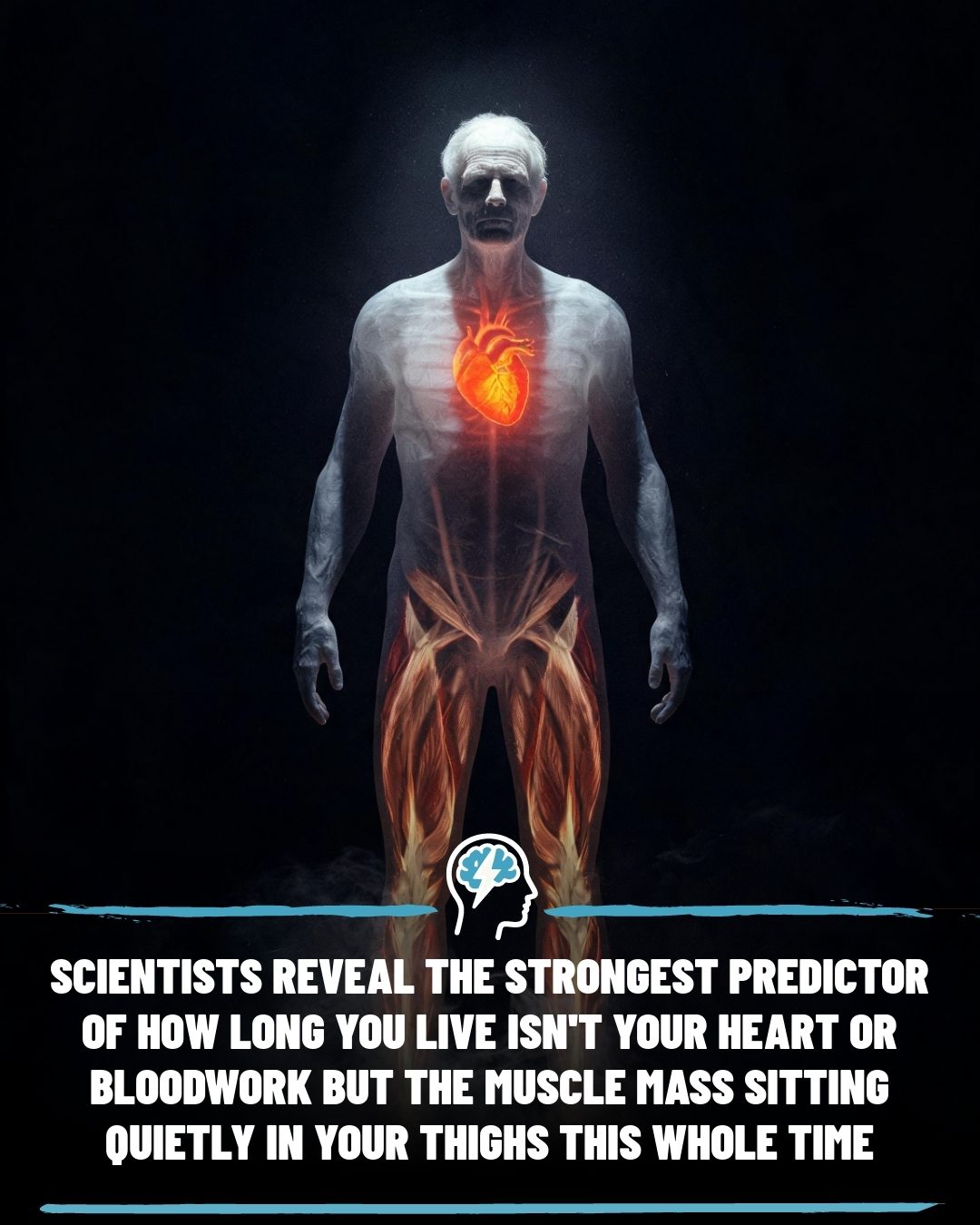
Muscle Mass and Longevity
Your thighs might just be the key to a longer, healthier life. Recent scientific findings suggest that thigh muscle mass is a more reliable predictor of lifespan than traditional markers like blood pressure or cholesterol levels. This revelation underscores the importance of lower-body strength in maintaining overall health and well-being.
Why This Matters
The body's largest muscle groups are found in the legs, making them crucial for energy production and chemical balance. Strong thighs are essential for daily movement and long-term survival. By focusing on leg strength, individuals can enhance their metabolic and physical stability, reducing the risk of chronic illnesses and improving their quality of life.
The Science Behind Thigh Muscle Mass
Scientists have uncovered compelling evidence that thigh muscle mass is a stronger predictor of longevity than heart health or bloodwork. People with larger, stronger thigh muscles tend to:
- Live longer
- Experience fewer chronic illnesses
- Maintain better metabolic and physical stability
How Leg Strength Affects Overall Health
Leg strength plays a pivotal role in various aspects of health and longevity. Here’s how:
Lower Risk of Heart Failure and Metabolic Disorders
Higher leg muscle mass is associated with a lower risk of heart failure and metabolic disorders. The larger muscle groups in the legs help regulate energy and chemical balance, contributing to overall cardiovascular health.
Protection Against Life-Threatening Falls
Leg power is crucial for protecting against frailty, which can lead to life-threatening falls later in life. Strong thighs provide the stability needed to prevent falls and maintain independence.
Improved Glucose Processing
Strong thighs help the body process glucose more efficiently, reducing the risk of type 2 diabetes. This metabolic benefit is vital for maintaining long-term health and well-being.
The Importance of Functional Independence
Aging well isn’t just about living longer; it’s about maintaining a high quality of life. Functional independence—being able to perform daily tasks without assistance—is crucial for emotional, cognitive, and physical health. Key benchmarks for functional independence include:
- Standing up from a chair
- Climbing stairs without help
These abilities are directly linked to strong leg muscles, which enable individuals to stay active and engaged, fostering social connections and better cognitive health.
Building Stronger Thighs
To build and maintain strong thigh muscles, focus on resistance training. Exercises like squats, lunges, and weight-bearing movements provide the following benefits:
Cellular Level Benefits
These exercises signal the body to stay young at a cellular level. Resistance training improves bone density and balance, helping the body withstand the stress of aging.
Protection That Cardio Can't Provide
While walking and light cardio have their benefits, resistance training provides unique protection that can’t be matched by cardiovascular exercises alone.
Practical Tips for Strengthening Your Thighs
Incorporate Resistance Training
- Squats: A fundamental exercise for building thigh muscles. Focus on proper form to avoid injury and maximize benefits.
- Lunges: Target different muscle groups in the thighs and glutes, improving overall leg strength.
- Weight-Bearing Exercises: Use weights or resistance bands to challenge your muscles and build strength.
Focus on Progressive Overload
Gradually increase the weight or resistance over time to continue challenging your muscles and promoting growth.
Maintain Consistency
Regular resistance training is key to maintaining and building muscle mass. Aim for at least two to three leg workouts per week.
Important Takeaways
- Thigh Muscle Mass is Crucial: Strong thighs are a better predictor of lifespan than traditional health markers.
- Lower Body Strength Matters: Leg strength is essential for overall health, including metabolic and physical stability.
- Resistance Training is Key: Focus on exercises like squats, lunges, and weight-bearing movements to build and maintain strong thighs.
Conclusion
Prioritizing thigh muscle mass through resistance training can significantly enhance your longevity and quality of life. Strong thighs support metabolic health, reduce the risk of chronic illnesses, and promote functional independence. Staying active and strong in your lower body will not only extend your lifespan but also ensure that you live well and enjoy your later years to the fullest.
Questions readers ask
How does thigh muscle mass compare to other health indicators like blood pressure or cholesterol levels?
Thigh muscle mass is a more reliable predictor of lifespan and overall health. While traditional markers like blood pressure and cholesterol levels are important, they do not outperform thigh muscle mass in predicting longevity and reducing risks of chronic illnesses.
What are the benefits of having strong thigh muscles for daily life?
Strong thighs support daily movements, enhance metabolic and physical stability, and reduce the risk of chronic illnesses. They are also crucial for maintaining balance, preventing falls, and promoting independence, especially in older adults.
What are some of the best exercises to increase thigh muscle mass?
Exercises that target the thighs, such as squats, lunges, leg presses, and deadlifts, are highly effective. Incorporating a mix of these exercises into a regular fitness routine can help build and maintain thigh muscle mass.
How does thigh muscle mass impact metabolic health?
Thigh muscle mass plays a significant role in metabolic health by aiding in energy production and maintaining chemical balance. Strong thighs support better insulin sensitivity, glucose control, and overall metabolic stability, making it easier to manage weight and reduce the risk of metabolic diseases.
Can increasing thigh muscle mass help improve longevity?
Yes, increasing thigh muscle mass can help improve longevity. Research shows that a higher muscle mass in the thighs is associated with a longer lifespan and better overall health, as it reduces the risk of age-related diseases and enhances physical stability.
Why are thigh muscles important for long-term survival?
Thigh muscles are crucial for long-term survival because they are the body's largest muscle group and play a key role in energy production, movement, and maintaining chemical balance. Strong thighs support daily activities and reduce the risk of chronic illnesses, making them essential for longevity.
How can I maintain and improve my thigh muscle strength as I age?
To maintain and improve thigh muscle strength as you age, focus on regular strength training that targets the thighs. Incorporate exercises like squats, lunges, and leg presses, and gradually increase the intensity and resistance. Additionally, maintain a balanced diet to support muscle growth and repair.
Related deep dives
Similar reads based on topic and creator.




Recent articles
Fresh deep dives from the latest Reels we unpacked.




Comments
Be the first to comment.