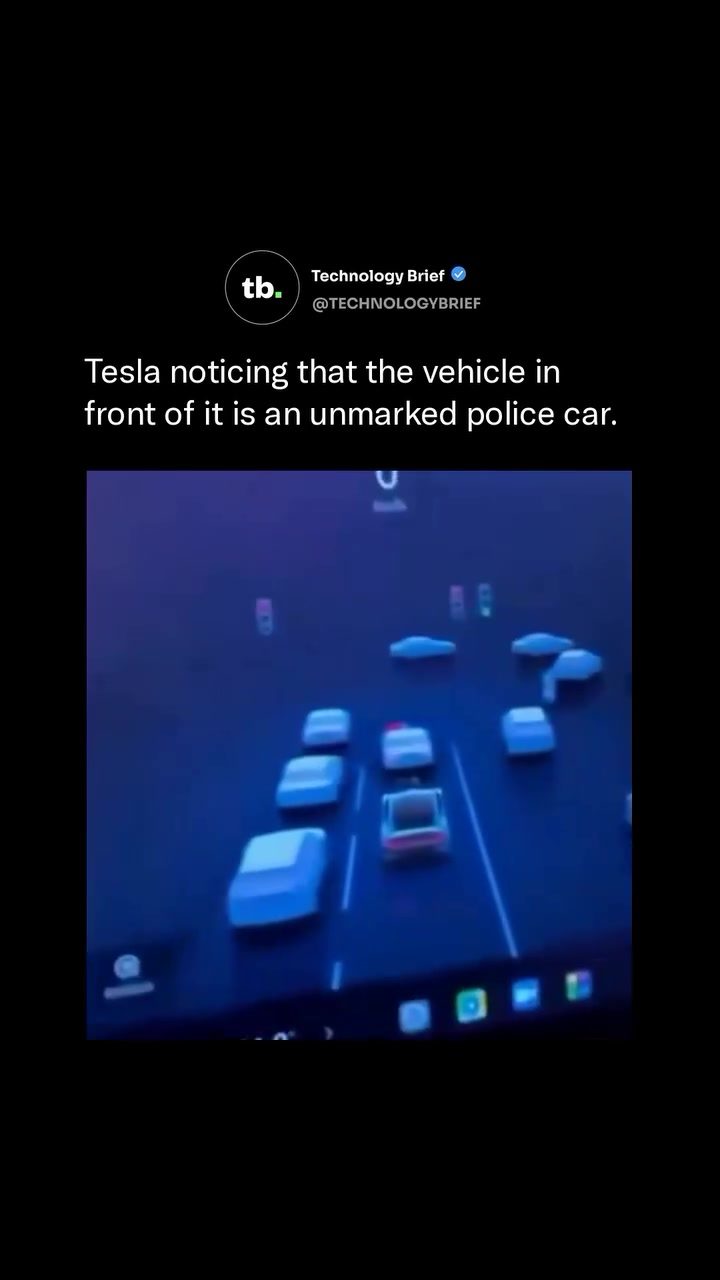
Tesla's Full Self-Driving Software: Real-Time Emergency Vehicle Detection
Tesla's Full Self-Driving (FSD) software has introduced a critical safety feature: the ability to identify emergency vehicles in real time. This advanced capability enhances road safety by automatically detecting and responding to emergency vehicles, including police cars, fire trucks, and ambulances.
Context / Why This Matters
The integration of real-time emergency vehicle detection in Tesla's FSD software underscores the evolving role of automotive technology in enhancing public safety. By leveraging advanced neural networks and vast data sets, Tesla's system can now recognize and label emergency vehicles as 3D objects on the car’s center screen. This feature is particularly important given that thousands of injuries occur annually due to drivers failing to notice first responders on the road.
The Technology Behind Emergency Vehicle Detection
Tesla’s FSD software relies on a camera-only approach, utilizing neural networks trained on data from millions of Tesla vehicles worldwide. This method allows the system to recognize not only vehicle types but also flashing lights and hand signals from officers. The latest FSD v14 update has formally added the ability to "pull over or yield for emergency vehicles," a feature that has been in development for years.
How It Works
The Autopilot display showcases the vehicle's advanced sensor capabilities. When an emergency vehicle is detected, the system labels it on the car's center screen in real-time. This visual feedback helps drivers stay aware of their surroundings and respond appropriately. For instance, the system can detect an unmarked police car and flag it as an emergency vehicle, even without visible markings. The system processes camera feeds and applies a 3D rendering to the vehicle, ensuring that drivers can clearly identify the emergency vehicle.
The Importance of Driver Alertness
While the detection feature significantly improves safety, it is crucial for drivers to remain alert and ready to take control at any moment. Tesla's system is designed to assist drivers, not replace them. The real-time detection and labeling of emergency vehicles serve as a valuable aid, but the ultimate responsibility for safe driving lies with the driver.
Practical Tips for Using the Emergency Vehicle Detection Feature
- Stay Alert: Always stay attentive to your surroundings, even with advanced safety features.
- Understand the Display: Familiarize yourself with how the FSD software labels emergency vehicles on the center screen.
- Know Your Limits: Remember that while the system can detect and respond to emergency vehicles, it is there to assist you, not to completely take over driving responsibilities.
- Customize Alerts: If possible, customize the alerts and notifications to fit your driving style and preferences.
- Update Your Software: Keep your Tesla software up to date to benefit from the latest safety features and enhancements.
Important Takeaways
- Real-Time Detection: Tesla’s FSD software can identify and label emergency vehicles in real-time, enhancing road safety.
- Camera-Only Approach: The system uses a neural network trained on data from millions of Tesla vehicles to detect emergency vehicles.
- Driver Responsibility: While the feature is a significant safety enhancement, drivers must remain alert and ready to take control.
- Customization and Updates: Familiarize yourself with the feature and keep your software updated for the best results.
Conclusion
Tesla’s Full Self-Driving software represents a significant advancement in automotive safety. The ability to detect and respond to emergency vehicles in real-time is a crucial feature that can help reduce accidents and enhance public safety. By leveraging advanced neural networks and vast data sets, Tesla’s system provides a reliable and effective tool for drivers, ensuring they can respond to emergency situations promptly and safely. As automotive technology continues to evolve, features like these will become increasingly important in maintaining safe and efficient roads.
Questions readers ask
How does Tesla's FSD software detect emergency vehicles in real time?
Tesla's FSD software uses advanced neural networks and vast data sets to identify emergency vehicles. The system recognizes and labels emergency vehicles as 3D objects on the car's center screen, allowing drivers to be immediately aware of their presence.
Which types of emergency vehicles can Tesla's FSD software detect?
Tesla's FSD software can detect a range of emergency vehicles, including police cars, fire trucks, and ambulances. This comprehensive detection helps drivers respond appropriately to various first responder situations.
What is the benefit of real-time emergency vehicle detection in Tesla's FSD software?
Real-time emergency vehicle detection enhances driver awareness and response by providing immediate visual cues on the car's screen. This can potentially reduce injuries from collisions with first responders by allowing drivers to react swiftly and safely.
How does Tesla's FSD software update its emergency vehicle detection capabilities?
Tesla's FSD software updates its emergency vehicle detection capabilities through over-the-air software updates. These updates ensure that the system remains current with the latest advancements in neural networks and data sets, improving its accuracy and reliability over time.
What should I do if my Tesla's FSD software does not detect an emergency vehicle?
If your Tesla's FSD software does not detect an emergency vehicle, it is crucial to remain vigilant and use your own judgment. Always be aware of your surroundings and prioritize road safety, especially when emergency vehicles are present.
Related deep dives
Similar reads based on topic and creator.




Recent articles
Fresh deep dives from the latest Reels we unpacked.




Comments
Be the first to comment.