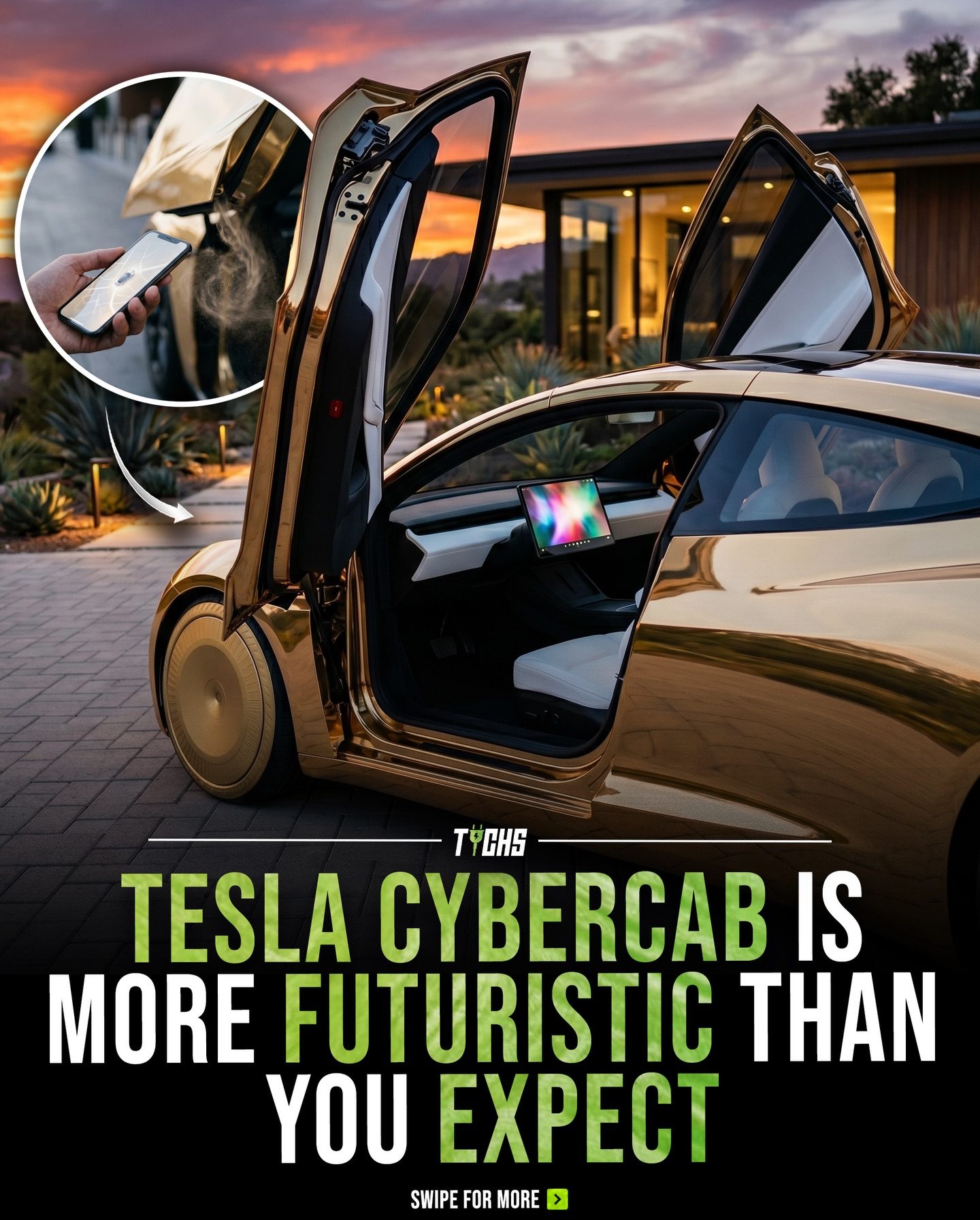
The Tesla Cybercab: A Futuristic Vision of Autonomous Driving
The Tesla Cybercab is a cutting-edge electric vehicle designed to revolutionize autonomous driving. By eliminating traditional controls like steering wheels and pedals, the Cybercab relies entirely on artificial intelligence to navigate real-world roads. This vehicle represents a significant leap in autonomous technology, utilizing camera-only vision and neural networks trained on billions of miles of real-world driving data.
Context: Why This Matters
The Cybercab's design and technology offer several benefits that could reshape the future of transportation. First, it supports a robotaxi network, enabling a new form of passive income for owners. Secondly, its simplified design aims to lower the cost of the vehicle to around $25,000, making advanced autonomous technology more accessible. Additionally, the Cybercab's app-based control system allows for keyless entry, booking, and overall management, providing a seamless user experience.
Main Discussion
Autonomous Driving Technology
The Cybercab is equipped with end-to-end AI driving capabilities. Neural networks, trained on extensive real-world data, handle all driving tasks, from navigating city streets to cruising on highways. By relying exclusively on cameras rather than lidar, the Cybercab simplifies the sensor system and potentially reduces maintenance costs.
The vehicle's autonomous system continuously learns and adapts, improving its performance over time. This adaptive learning is powered by neural networks that can analyze and respond to a vast array of driving scenarios, ensuring safe and efficient navigation.
Design and User Experience
The Cybercab's unique design sets it apart from conventional electric vehicles. Its futuristic appearance, featuring a streamlined, angular body, incorporates a minimalist interior that lacks traditional controls, emphasizing the fully autonomous nature of the vehicle. This simplified design also contributes to its lower cost, making it more accessible to a broader market.
The user experience is centered around a smartphone app, offering keyless entry, booking, and full control over the vehicle. This app-based experience streamlines interactions, eliminating the need for traditional keys and providing a seamless, modern interface for users.
Challenges and Considerations
While the Cybercab represents a significant advancement in autonomous technology, its widespread adoption faces several challenges. Regulatory approvals and safety certifications are crucial steps before the vehicle can become a trusted part of everyday transportation. The future of the Cybercab hinges on obtaining these approvals and demonstrating real-world reliability and safety.
Additionally, the transition to fully autonomous vehicles will require societal and infrastructural changes. Public acceptance, regulatory frameworks, and the development of supporting infrastructure are essential for the successful integration of the Cybercab into existing transportation systems.
Practical Tips
Understanding Autonomous Technology
Gaining a basic understanding of the underlying technology can enhance appreciation and usage of autonomous vehicles. Familiarize yourself with key terms like neural networks, camera-only vision, and AI driving. These terms are fundamental to grasping how the Cybercab operates and why it represents a significant advancement in autonomous driving.
Staying Informed
Staying updated with the latest developments in the tech world is crucial for understanding the future of autonomous vehicles. Follow tech blogs, subscribe to relevant newsletters, and engage in discussions on forums and social media platforms. This way, you can stay informed about regulatory updates, technological advancements, and future developments in the autonomous vehicle sector.
Preparing for the Transition
As autonomous vehicles like the Cybercab become more prevalent, preparing for the transition is essential. Consider how autonomous vehicles might impact your daily commute, urban planning, and public transportation. Engage in local discussions and initiatives aimed at integrating autonomous vehicles into the community. This proactive approach can help ensure a smooth transition and maximize the benefits of this new technology.
Important Takeaways
The Tesla Cybercab showcases the future of autonomous driving, with its end-to-end AI capabilities, simplified design, and app-based control systems. This vehicle offers a glimpse into what transportation could look like in the coming decades, but widespread adoption depends on overcoming regulatory challenges, achieving safety approvals, and ensuring real-world reliability.
Embrace Innovation
The Cybercab represents a significant leap forward in technology and design. Embracing this innovation can lead to new opportunities and improvements in daily life. From passive income through robotaxi networks to a seamless, keyless user experience, the Cybercab offers numerous benefits that can enhance the way we travel and interact with our environment.
Prepare for the Future
The transition to fully autonomous vehicles will require changes in regulations, infrastructure, and societal norms. Preparing for these changes can help ensure a smooth and beneficial transition. Engage in discussions, stay informed about technological advancements, and support initiatives aimed at integrating autonomous vehicles into everyday life.
Realize the Potential
While the Cybercab's future is promising, realizing its full potential will take time. Regulatory approvals, safety certifications, and public acceptance are key to making autonomous vehicles a trusted part of everyday transportation. By understanding and supporting these developments, you can contribute to shaping a future where autonomous vehicles play a pivotal role in our daily lives.
Conclusion
The Tesla Cybercab is a testament to the transformative power of technology and innovation. With its fully autonomous capabilities, futuristic design, and app-based control, the Cybercab offers a glimpse into the future of transportation. Embracing this technology and preparing for the transition can lead to new opportunities and improvements in our daily lives. By staying informed, engaging in discussions, and supporting initiatives, you can contribute to the seamless integration of autonomous vehicles into our communities and pave the way for a future where advanced technology enhances our everyday experiences.
Questions readers ask
What makes the Tesla Cybercab different from other electric vehicles?
The Tesla Cybercab stands out due to its fully autonomous driving capability. Unlike other electric vehicles, the Cybercab is designed to operate without a driver, utilizing advanced AI and neural networks to navigate roads. It eliminates traditional controls like a steering wheel and pedals, offering a unique, hands-free driving experience.
How does the Cybercab's AI driving technology work?
The Cybercab uses camera-only vision and neural networks trained on vast amounts of real-world driving data. This technology allows the vehicle to perceive its environment, make decisions, and navigate roads autonomously, without needing a driver to intervene.
Can I use the Tesla Cybercab as a daily driver?
The Cybercab is designed to be a fully autonomous vehicle, so it can indeed be used as a daily driver for those who want a hands-free commute. However, it's important to note that initial availability might be limited, and local regulations may restrict its use in certain areas.
What is the Tesla robotaxi network, and how does the Cybercab support it?
The Tesla robotaxi network is a proposed service where owners can earn passive income by allowing their Cybercab to operate as a ride-hailing service when not in use. The Cybercab supports this network through its autonomous driving capabilities, enabling it to pick up and drop off passengers without a driver.
How can I access and control the Cybercab if it has no traditional controls?
To access and control the Cybercab, users will likely rely on the Tesla Cybercab app and AI-driven features. The app may allow users to summon the vehicle, set destinations, and monitor its status. Tesla AI will handle the driving, while users can interact with the car through voice commands or an onboard interface.
What are the benefits of the Cybercab's streamlined design?
The Cybercab's streamlined design serves multiple purposes. It reduces the vehicle's weight, improving energy efficiency. Additionally, the simplified design without traditional controls could lower production costs, making the Cybercab a more affordable autonomous car option for consumers.
Will the Tesla Cybercab require Tesla car keys for operation?
The Tesla Cybercab is designed to be fully autonomous, so physical car keys may not be necessary for operation. Instead, users could use the Tesla Cybercab app to access and control the vehicle. This could involve summoning the car to your location, setting your destination, and more, all through an integrated experience.
Related deep dives
Similar reads based on topic and creator.




Recent articles
Fresh deep dives from the latest Reels we unpacked.




Comments
Be the first to comment.