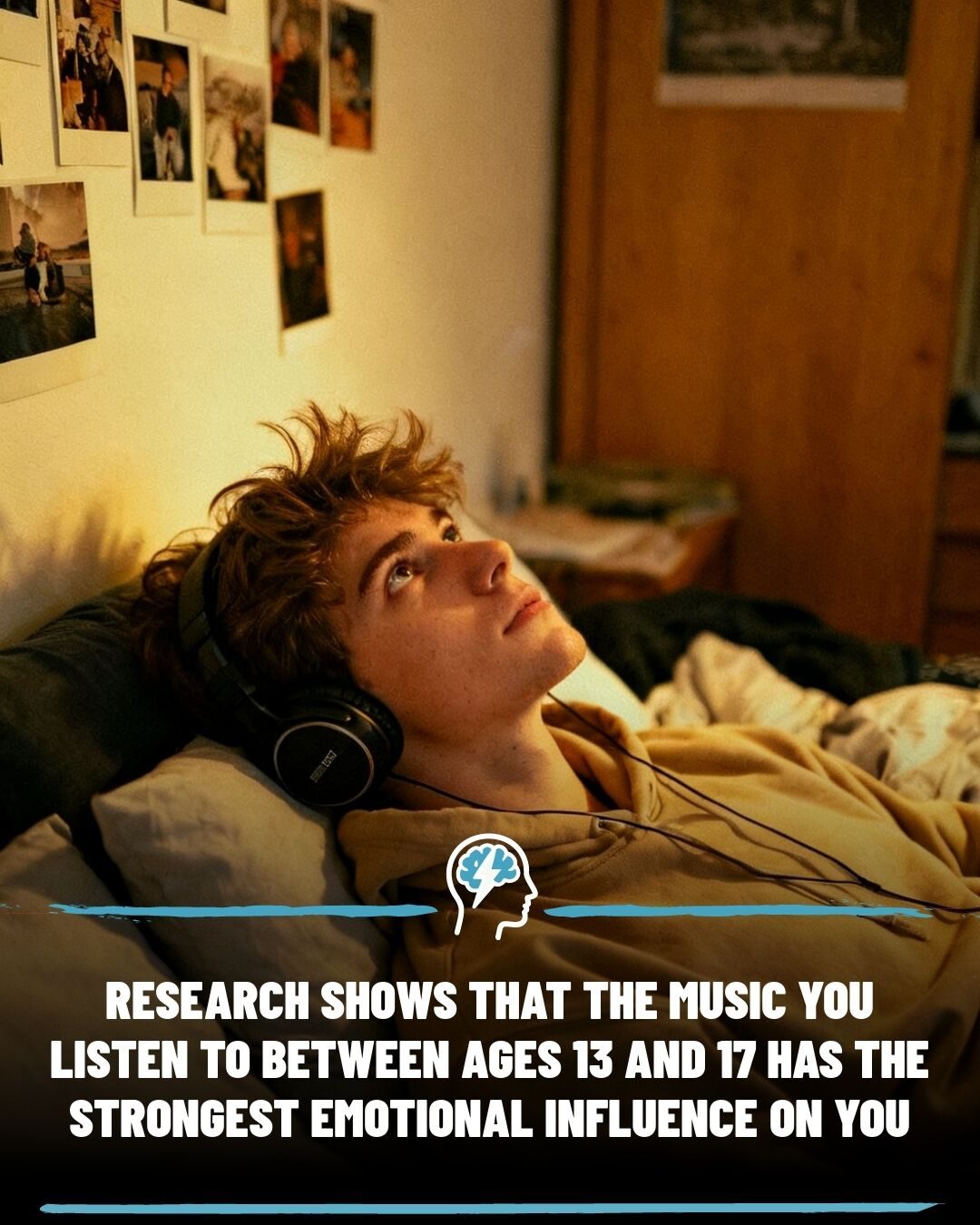
The Power of Music: Why Teenage Years Create Lasting Emotional Imprints
Music has a profound ability to evoke memories and emotions, but why does that high school anthem still give you chills? Research suggests that the music we listen to during our teenage years creates deeper emotional imprints than songs discovered at any other age. This phenomenon, known as the "reminiscence bump," peaks between ages 14 and 20, making this period particularly influential in shaping our musical identities.
Why This Matters
Understanding why teenage years are so pivotal for musical memories can offer insights into how our brains process and retain emotional experiences. This knowledge can enhance our appreciation for music and help us leverage it for personal growth and therapeutic purposes.
The Science Behind the Reminiscence Bump
The adolescent brain is uniquely wired to create lasting musical memories. According to researchers at the University of Jyväskylä, the teenage brain functions like a sponge, supercharged by curiosity and reward-seeking but lacking a fully developed filter. This combination allows music to become deeply ingrained in our identities, influencing how we see ourselves throughout life.
The Adolescent Brain and Music
During adolescence, the brain's reward system is highly active. This heightened sensitivity means that emotional experiences, including music, are encoded with greater intensity. These memories do not fade into the background; instead, they become integral to our sense of self.
Gender Differences in Musical Reminiscence
A global study revealed interesting gender differences in the reminiscence bump. For men, it tends to peak around age 16, while for women, it peaks after age 19. These differences highlight the individual variations in how music impacts our emotional landscapes.
The Role of Headphones in Teenage Music Experience
Wearing headphones, such as Sony headphones, can enhance the emotional impact of music. The immersive experience of listening to music through headphones creates a more intimate and personalized connection, potentially amplifying the emotional imprint.
Practical Tips for Leveraging Musical Memories
Rediscover Old Favorites
Revisiting the music from your teenage years can be a powerful way to reconnect with past emotions and experiences. These songs can transport you back to significant moments in your life, evoking feelings of nostalgia and joy.
Use Music for Self-Reflection
Listening to music from your teenage years can provide insights into your personal growth and identity. Reflecting on the emotions and memories associated with these songs can help you better understand your journey and current self.
Share Musical Memories
Discussing your favorite songs from your teenage years with friends and family can foster a deeper connection. Sharing the emotional impact of music can lead to meaningful conversations and a stronger sense of community.
Important Takeaways
- Music from teenage years creates lasting emotional imprints. The reminiscence bump, peaking between ages 14 and 20, explains why songs from this period hold such strong emotional power.
- The adolescent brain is uniquely wired for music. Its heightened reward system and lack of filtering make it a sponge for emotional experiences, including music.
- Gender differences exist in musical reminiscence. Men and women may experience the peak of their reminiscence bump at different ages, highlighting individual variations in emotional processing.
- Headphones enhance the musical experience. Wearing headphones can create a more intimate connection with music, amplifying its emotional impact.
Conclusion
The music we listen to during our teenage years leaves a lasting emotional imprint, shaping our identities and memories in profound ways. Understanding the science behind the reminiscence bump can help us appreciate the power of music and leverage it for personal growth and reflection. So, the next time an old favorite comes on and you feel something deep, remember the unique wiring of your teenage brain. Embrace the emotional journey and let the music transport you back to those formative years.
Questions readers ask
What exactly is the 'reminiscence bump' and why does it happen during teenage years?
The 'reminiscence bump' is a phenomenon where music listened to during teenage years evokes stronger memories and emotions than music from other life stages. It occurs because the adolescent brain is highly sensitive and actively seeks rewards, making teenage years pivotal for shaping musical identities and emotional responses.
How does the adolescent brain process music differently than adult brains?
The adolescent brain is still developing, with heightened sensitivity and reward-seeking behavior. This makes it more responsive to music, creating deeper emotional connections and lasting memories. In contrast, adult brains have more developed neural pathways, processing music in a more mature, less emotionally charged manner.
Can listening to teenage music memories help with personal growth?
Yes, revisiting music from your teenage years can provide a sense of nostalgia and emotional insight. It can help you understand your past experiences, process emotions, and even foster personal growth. Many people find that these musical memories offer a sense of comfort and continuity, aiding in self-reflection and emotional well-being.
Why is music from this period so influential in shaping our self-identity?
Teenage years are a crucial period for self-discovery and identity formation. The music we listen to during this time often reflects our emotions, experiences, and aspirations, making it a key component of our self-image. This emotional bond with music can persist into adulthood, influencing our tastes and personal narratives.
How can understanding the reminiscence bump in music benefit mental health?
Understanding the reminiscence bump in music can help individuals use music as a therapeutic tool. By leveraging the emotional power of teenage music memories, therapists can assist clients in processing emotions, reducing stress, and enhancing overall mental well-being. This knowledge can be applied in various therapeutic settings, including music therapy and counseling.
Are there any scientific studies that support these claims about teenage music and emotions?
Yes, numerous scientific studies have explored the connection between teenage music and emotions. Research in neuroscience and psychology has shown that the adolescent brain is uniquely susceptible to the emotional impact of music, leading to the formation of long-lasting memories and associations.
What are some strategies to harness the emotional power of teenage music memories?
To harness the emotional power of teenage music memories, consider creating playlists of your favorite songs from that period. Listen to them mindfully, reflecting on the emotions and experiences they evoke. You can also engage in activities like journaling or sharing stories with friends to deepen your connection to these musical memories and gain insights into your emotional journey.
Related deep dives
Similar reads based on topic and creator.



Recent articles
Fresh deep dives from the latest Reels we unpacked.




Comments
Be the first to comment.