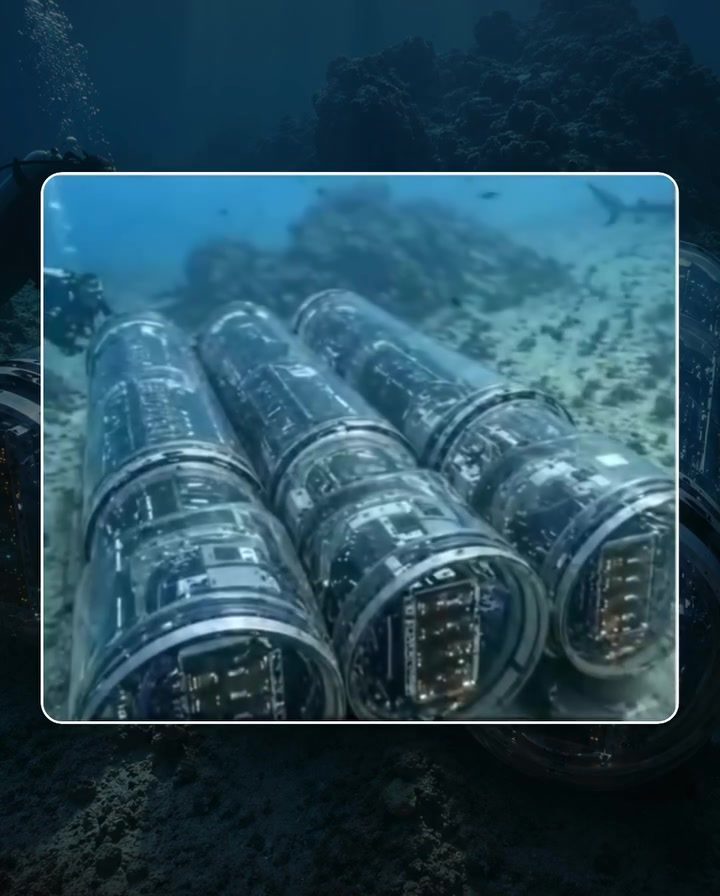
Underwater Data Centers: The Next Frontier in Sustainable Computing
Underwater data centers represent an innovative approach to addressing the growing demand for computing power while promoting sustainability. By leveraging the natural cooling properties of seawater and integrating renewable energy sources, these underwater habitats are paving the way for a new era in data infrastructure.
Context
As the world's reliance on artificial intelligence (AI), cloud computing, and big data continues to escalate, so does the need for efficient and sustainable computing solutions. Traditional data centers consume vast amounts of energy, with a significant portion dedicated to cooling. This is where underwater data centers, like the one recently launched by techsChina, come into play. Located near Shanghai, this massive underwater data center demonstrates how innovative engineering can revolutionize the way we think about data infrastructure.
The Underwater Data Center: A Closer Look
Infrastructure and Design
The underwater data center comprises sealed capsules housing approximately 2,000 servers, positioned about 35 meters below the ocean surface. These capsules are designed to withstand the immense pressure and harsh conditions of the deep sea, ensuring the safety and longevity of the servers. The use of cylindrical modules allows for efficient space utilization and structural stability, as indicated by the divers visible in some frames. This design not only maximizes the use of space but also provides a clear indication of the habitat's scale.
Cooling and Efficiency
One of the most remarkable features of the underwater data center is its cooling system. By using the surrounding seawater as a natural cooling agent, the project can reportedly reduce cooling energy consumption by up to 90% compared to conventional data centers. This is achieved through a process where cold seawater is pumped into heat exchangers, absorbing the heat generated by the servers and then releasing it back into the ocean. This method is not only efficient but also environmentally friendly, as it eliminates the need for energy-intensive cooling systems.
Renewable Energy Integration
In addition to its advanced cooling technology, the underwater data center is connected to offshore wind farms. This integration of renewable energy sources further enhances the sustainability of the project. By powering the data center with clean energy, techsChina is setting a new standard for environmentally responsible computing infrastructure. The combination of natural cooling and renewable energy makes this project a groundbreaking example of how technology and sustainability can coexist.
Cost and Economic Impact
The construction of the underwater data center cost approximately $226 million. While this may seem like a significant investment, the long-term benefits and cost savings make it a worthwhile endeavor. The reduced energy consumption and the use of renewable energy sources can lead to substantial savings in operational costs over time. Moreover, the project's ability to process thousands of AI queries every second underscores its potential to support the growing demand for AI training, cloud computing, and big data workloads.
Challenges and Considerations
Despite its numerous advantages, the underwater data center is not without challenges. The harsh underwater environment poses unique risks, such as potential damage from marine life, corrosion, and natural disasters. Additionally, the logistics of maintaining and repairing the facility underwater present significant challenges. However, with rigorous engineering and innovative solutions, these challenges can be mitigated to ensure the long-term viability of the project.
Practical Tips for Building and Maintaining Underwater Data Centers
Site Selection and Preparation
Choosing the right location is crucial for the success of an underwater data center. Factors such as water depth, temperature, and current stability should be carefully considered. The site should also be easily accessible for maintenance and repair purposes. Conducting a thorough environmental impact assessment is essential to ensure that the project does not negatively affect marine ecosystems.
Design and Engineering
Engineering an underwater data center requires specialized knowledge and expertise. Design considerations should include the structural integrity of the capsules, the efficiency of the cooling system, and the reliability of the power supply. Working with experts in marine engineering and renewable energy is essential to ensure that the project meets the highest standards of safety and performance.
Maintenance and Monitoring
Regular maintenance and monitoring are critical to the long-term success of an underwater data center. This includes routine inspections, preventive maintenance, and real-time monitoring of the facility's performance. Advanced monitoring systems can help detect potential issues early, allowing for timely interventions and minimizing downtime.
Important Takeaways
The underwater data center launched by techsChina highlights the potential of innovative solutions in creating sustainable and efficient computing infrastructure. By leveraging natural cooling systems and renewable energy sources, these underwater habitats can significantly reduce energy consumption and environmental impact. As the demand for AI and big data computing continues to grow, projects like this could play a pivotal role in shaping the future of sustainable technology.
Conclusion
Underwater data centers offer a promising solution to the challenges posed by traditional data centers. By combining advanced engineering with renewable energy and natural cooling systems, these facilities can support the growing demand for computing power while promoting sustainability. As more companies and organizations explore this innovative approach, the future of computing infrastructure looks brighter and more environmentally responsible.
Questions readers ask
What makes the TechsChina underwater AI data center in Shanghai unique?
The TechsChina underwater AI data center stands out due to its innovative use of underwater cooling. By placing the data center 35 meters beneath the ocean surface, it harnesses the natural cooling properties of seawater, significantly reducing energy consumption and enhancing sustainability.
How does underwater cooling work in data centers?
Underwater cooling leverages the lower temperatures of deep seawater to cool the servers. This method eliminates the need for large, energy-intensive cooling systems found in traditional data centers, thereby reducing overall energy consumption and promoting a greener AI infrastructure.
What are the benefits of using renewable energy sources with underwater data centers?
Integrating renewable energy sources with underwater data centers further enhances their sustainability. By combining natural cooling with renewable energy, these centers minimize their carbon footprint, making them a more eco-friendly solution for AI and cloud computing.
Why is sustainable computing important for AI and cloud infrastructure?
Sustainable computing is crucial for AI and cloud infrastructure due to the high energy demands of these technologies. Traditional data centers consume vast amounts of energy, with significant portions used for cooling. Sustainable solutions, like underwater data centers, help mitigate environmental impact while meeting the growing demand for computing power.
What other innovative features might be associated with underwater AI data centers?
Underwater AI data centers often incorporate cutting-edge design elements to optimize performance and sustainability. These can include advanced materials for construction, efficient server layouts, and integrated renewable energy systems, all aimed at enhancing energy efficiency and operational reliability.
Are there any potential challenges associated with constructing underwater data centers?
While underwater data centers offer numerous benefits, they also face challenges such as maintenance accessibility, potential environmental impacts, and ensuring the long-term integrity of the underwater infrastructure. These factors require meticulous planning and advanced engineering to mitigate risks and ensure successful operation.
Related deep dives
Similar reads based on topic and creator.




Recent articles
Fresh deep dives from the latest Reels we unpacked.




Comments
Be the first to comment.