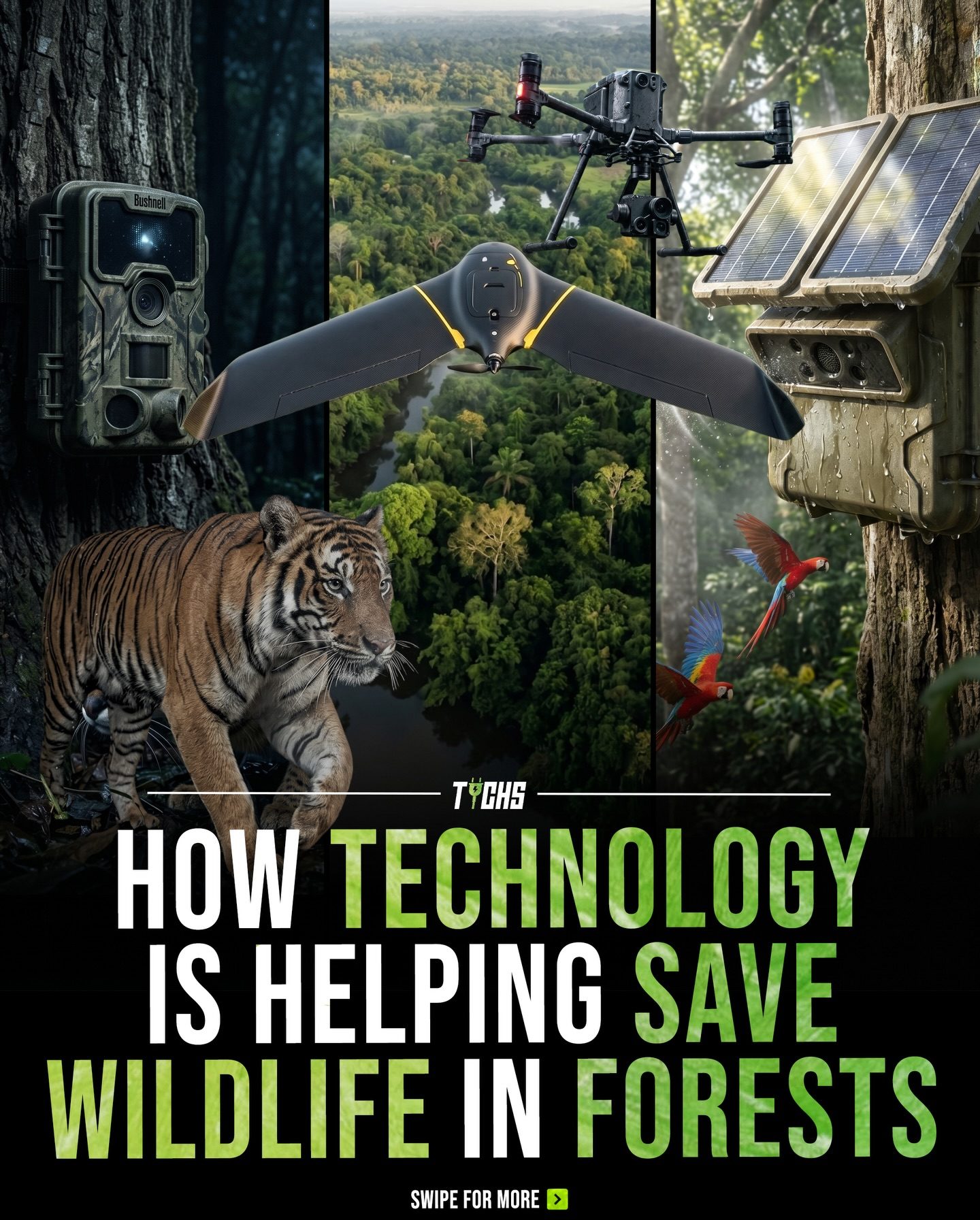
Wildlife Conservation Technology
Wildlife conservation has entered a new era, driven by cutting-edge technology that is revolutionizing the way we protect animals and monitor forests. From drones and camera traps to GPS collars and advanced detection systems, these tools are transforming conservation efforts, making them faster, smarter, and more effective. The interplay of modern technology and wildlife conservation is a fascinating realm to explore, as it tackles some of the world’s most challenging environmental issues.
Context / Why This Matters
The integration of technology into wildlife conservation is more than just a trend; it's a necessity. Traditional methods of monitoring and protecting wildlife are often labor-intensive, time-consuming, and sometimes ineffective in the face of rapid environmental changes and illegal activities. Advanced tools like drones, camera traps, and tracking devices offer a more efficient and effective means of safeguarding wildlife, ensuring that conservation efforts can keep pace with the evolving threats.
Main Discussion
Drones in Wildlife Conservation
Drones have become indispensable tools in wildlife conservation. These aerial vehicles can cover vast areas quickly and efficiently, providing real-time data on wildlife and forest conditions. The Parrot Anafi USA, for example, is a compact surveillance drone designed for silent monitoring missions in dense forests. Its compact size and stealth capabilities make it ideal for tracking animals and scanning forests without disturbing the wildlife or alerting poachers.
The DJI Matrice 300 RTK and senseFly eBee X are other notable drones used in conservation. These drones are equipped with high-resolution cameras and sensors that can capture detailed images and videos, providing valuable insights into wildlife behavior and environmental changes. They are also capable of carrying additional payloads, such as thermal imaging equipment, which can help detect heat signatures of animals and vehicles, aiding in anti-poaching efforts.
Camera Traps
Camera traps have long been a staple in wildlife research and conservation, and the Bushnell Core DS No Glow is a prime example of this technology's evolution. These cameras are designed to capture clear day and night footage without alerting animals or poachers. The Bushnell Core DS No Glow, in particular, offers features like no-glow infrared LEDs that ensure the camera remains undetectable, allowing for unobtrusive monitoring.
GPS and Radio Collars
GPS and radio collars, such as the Savannah Tracking GPS Collars and Telonics TGW Series Collars, are crucial for providing real-time movement data for species protection. These collars track the location and behavior of animals, helping researchers and conservationists understand their movements, habitat use, and interactions with other species. This data is invaluable for developing targeted conservation strategies and ensuring the survival of endangered species.
Detection and Alert Systems
Technological advancements have led to the development of sophisticated detection and alert systems that help protect wildlife from threats. The Rainforest Connection Guardian and Elephant Alert Systems are two such innovations. These systems use a combination of sensors, microphones, and algorithms to detect threats such as chainsaw sounds, gunshots, and vehicle movements. By alerting local communities and conservation authorities in real-time, these systems enable quicker responses to potential threats, enhancing the effectiveness of conservation efforts.
Practical Tips
Choosing the Right Equipment
Selecting the right equipment is crucial for effective wildlife conservation. When choosing drones, consider factors like flight time, range, camera quality, and payload capacity. For camera traps, look for models with features like no-glow infrared LEDs, high-resolution sensors, and weather-resistant designs. GPS and radio collars should be lightweight, durable, and capable of providing accurate real-time data. Additionally, ensure that the equipment is compatible with the specific environmental conditions and wildlife species you are monitoring.
Integrating Multiple Technologies
Combining different technologies can significantly enhance conservation efforts. For instance, using drones for aerial surveillance alongside camera traps for ground-level monitoring can provide a more comprehensive view of wildlife behavior and environmental changes. Similarly, integrating GPS collars with detection and alert systems can improve the efficiency and effectiveness of wildlife protection measures.
Training and Collaboration
Effective use of technology in wildlife conservation requires proper training and collaboration. Conservationists and researchers should be trained in the use of these advanced tools to ensure they can be employed effectively. Collaboration between different organizations, researchers, and local communities is also essential for sharing knowledge, resources, and best practices. This collaborative approach can lead to more innovative and effective conservation strategies.
Important Takeaways
- Drones, Camera Traps, and GPS Collars: These tools are essential for real-time monitoring and data collection in wildlife conservation.
- Detection and Alert Systems: Technologies like the Rainforest Connection Guardian and Elephant Alert Systems play a crucial role in detecting and responding to threats.
Conclusion
Technology is revolutionizing wildlife conservation by providing more efficient, effective, and comprehensive ways to protect animals and monitor forests. From drones and camera traps to GPS collars and detection systems, these advanced tools are transforming how we approach conservation efforts. By leveraging these technologies, we can address the complex challenges of wildlife protection and ensure the survival of endangered species in some of the world’s most challenging environments.
Questions readers ask
How do drones assist in forest protection and wildlife conservation?
Drones, such as the Parrot Anafi, are used for real-time monitoring and surveillance of forests. They provide aerial views to quickly spot deforestation, track animal movements, and even help prevent poaching. Drones reduce the need for on-foot patrols, making wildlife monitoring more efficient and safer for conservationists.
What are GPS collars and how do they aid in wildlife conservation?
GPS collars are devices fitted onto animals to track their movements in real time. This technology helps researchers to study animal behaviors, migration patterns, and habitat use, enabling more effective conservation strategies and timely interventions. It also aids in locating animals that may be in danger, such as those affected by environmental threats or poaching.
How do camera traps contribute to wildlife conservation efforts?
Camera traps, like the Bushnell camera traps, are motion-activated cameras that capture images or videos of wildlife in their natural habitats. These tools are crucial for monitoring animal populations, understanding behaviors, and detecting illegal activities, thus aiding in the protection of both animals and their habitats. They provide valuable data without human interference, making them a non-intrusive conservation tool.
Can technology help in preventing poaching activities?
Yes, technology plays a significant role in preventing poaching. Tools like drones and camera traps provide real-time monitoring and surveillance, enabling quicker detection and response to poaching activities. Additionally, GPS collars help track endangered species, making it easier to intercept poachers and protect at-risk animals.
What are some other advanced technologies used in wildlife conservation?
Besides drones, GPS collars, and camera traps, other advanced technologies include satellite imagery for large-scale habitat monitoring, acoustic sensors for detecting animal sounds, and advanced detection systems for identifying wildlife in dense forests. These tools enhance the overall effectiveness and reach of wildlife conservation efforts.
How does real-time monitoring benefit wildlife conservation?
Real-time monitoring allows conservationists to respond swiftly to threats such as poaching, habitat destruction, or disease outbreaks. It provides up-to-date information on animal movements and environmental changes, enabling more proactive and effective conservation strategies. Tools like drones and GPS collars are instrumental in facilitating real-time monitoring.
Are there any specific wildlife conservation tools popular in the USA?
Yes, the USA uses a variety of conservation gadgets and tools. For example, camera traps like the Bushnell range are commonly used for wildlife monitoring. Drones, such as the Parrot Anafi, are also popular for their versatility in aerial surveillance and monitoring. Additionally, GPS collars are widely employed to track and protect various animal species, from bears to big cats.
Related deep dives
Similar reads based on topic and creator.




Recent articles
Fresh deep dives from the latest Reels we unpacked.




Comments
Be the first to comment.