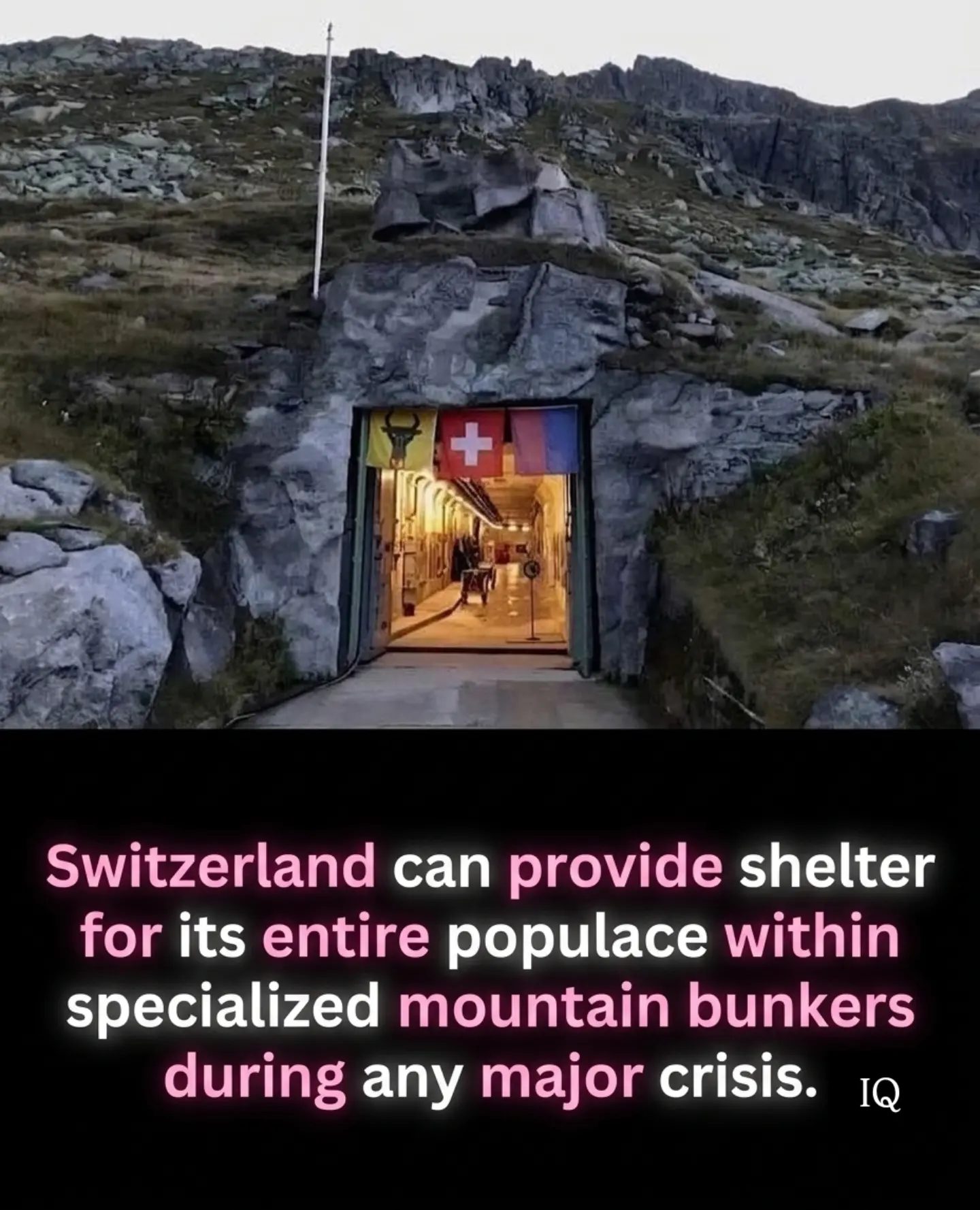
Swiss Mountain Bunkers: A Comprehensive Look at the Underground Fortress
Introduction
Switzerland is the only nation on Earth equipped to shelter 100% of its population underground. This extensive network of mountain bunkers, integrated into the very fabric of the country, serves as a testament to Swiss preparedness and engineering prowess.
Context / Why This Matters
The concept of sheltering an entire population during a crisis is both practical and profound. These underground fortifications, mandated by federal law, are designed to ensure the survival and safety of the entire Swiss populace. Understanding the scale, engineering, and practical uses of these bunkers provides insight into Switzerland's unique approach to national security and emergency preparedness.
Main Discussion
Historical and Legal Context
Since 1963, Swiss federal law has stipulated that every citizen must have a guaranteed spot in a fallout shelter. This mandate ensures that every individual has access to a shelter, either within their own home or in a nearby municipal shelter. This law has been the cornerstone of Switzerland's preparedness strategy, ensuring that no citizen is left without a safe haven in times of crisis.
The Scale of the Infrastructure
The sheer scale of Switzerland's shelter infrastructure is awe-inspiring. The country boasts over 360,000 shelters integrated into private homes, schools, and public buildings. Additionally, there are roughly 9,000 public shelters, all of which can accommodate around 9 million people. This capacity far exceeds the current population of Switzerland, providing ample room for everyone, with space to spare. This extensive network has been meticulously designed to ensure that every corner of the country is covered, ensuring the safety of the entire populace.
Engineering Marvels
The engineering behind these bunkers is nothing short of extraordinary. Massive fortifications like the Sonnenberg Tunnel in Lucerne are designed to shelter up to 20,000 people at once. These structures are equipped with subterranean hospitals, control rooms, and advanced ventilation systems, ensuring that those inside have access to essential medical care and a stable environment.
Dual-Purpose Use
The ingenuity of these bunkers extends beyond their emergency use. Many of these underground facilities serve dual purposes when not in crisis mode. Some are repurposed as wine cellars, storage units, or shooting ranges. In more recent times, they have even been converted into modern art galleries and hotels, demonstrating the versatility and practicality of these spaces. This dual-use approach maximizes the value of these structures, ensuring they remain relevant and useful even in peacetime.
Practical Tips
For Visitors
If you are visiting Switzerland, consider exploring some of these historical sites. Many of the bunkers that are not in use as fallout shelters have been converted into museums or art galleries, offering a unique glimpse into the country's engineering marvels and preparedness strategies.
For Residents
For residents, understanding the location and capacity of your nearest shelter is crucial. Ensure that you are familiar with the evacuation routes and safety protocols. Regular drills and preparedness courses can also be invaluable in times of crisis.
Important Takeaways
Switzerland's extensive network of mountain bunkers is a unique and impressive feat of engineering and preparedness. The country's commitment to ensuring the safety of its entire population during a crisis is unparalleled. The dual-purpose use of these bunkers highlights the practical and innovative spirit of the Swiss, making these structures not just a safety measure, but a valuable part of the country's infrastructure.
Conclusion
The underground fortress of Switzerland is a testament to the country's foresight and engineering brilliance. From the historical context of the shelter mandate to the impressive engineering feats, these bunkers stand as a symbol of preparedness and resilience. By providing shelter for the entire population and serving dual purposes, these structures exemplify the practical and innovative approach of the Swiss people.
Questions readers ask
How many underground shelters exist in Switzerland?
Switzerland boasts a staggering 360,000 private and 9,000 public shelters. These shelters are designed to accommodate the entire Swiss population, ensuring that everyone has access to a safe haven during emergencies.
What is the purpose of Switzerland's bunker system?
The primary purpose of Switzerland's extensive bunker system is to provide shelter and protection to its entire population in the event of a crisis. This system is a key component of the country's national security strategy, ensuring that every citizen has a safe place to go during emergencies.
Is the construction of these shelters mandated by law?
Yes, the construction of shelters and the Swiss bunker system is governed by federal law. This legal framework ensures that both public and private shelters are integrated into the country's infrastructure, maintaining a high level of emergency preparedness.
What types of emergencies are these shelters designed to protect against?
Switzerland's underground shelters are designed to protect citizens from a range of potential threats, including nuclear attacks, chemical and biological warfare, and natural disasters. The bunkers are equipped to sustain life for extended periods, with access to essential resources like water, food, and medical supplies.
How are these shelters integrated into Swiss infrastructure?
Switzerland's shelters are seamlessly integrated into the country's infrastructure, with many located in public buildings, private homes, and even within mountains. This integration ensures that shelters are easily accessible to all citizens, providing a comprehensive and efficient emergency response system.
What role does the Swiss Civil Defense play in this system?
The Swiss Civil Defense plays a crucial role in maintaining and managing the country's shelter network. They are responsible for ensuring that shelters are well-stocked, regularly inspected, and accessible to the public. The organization also conducts regular emergency drills to ensure that citizens are prepared in case of a crisis.
Related deep dives
Similar reads based on topic and creator.




Recent articles
Fresh deep dives from the latest Reels we unpacked.




Comments
Be the first to comment.