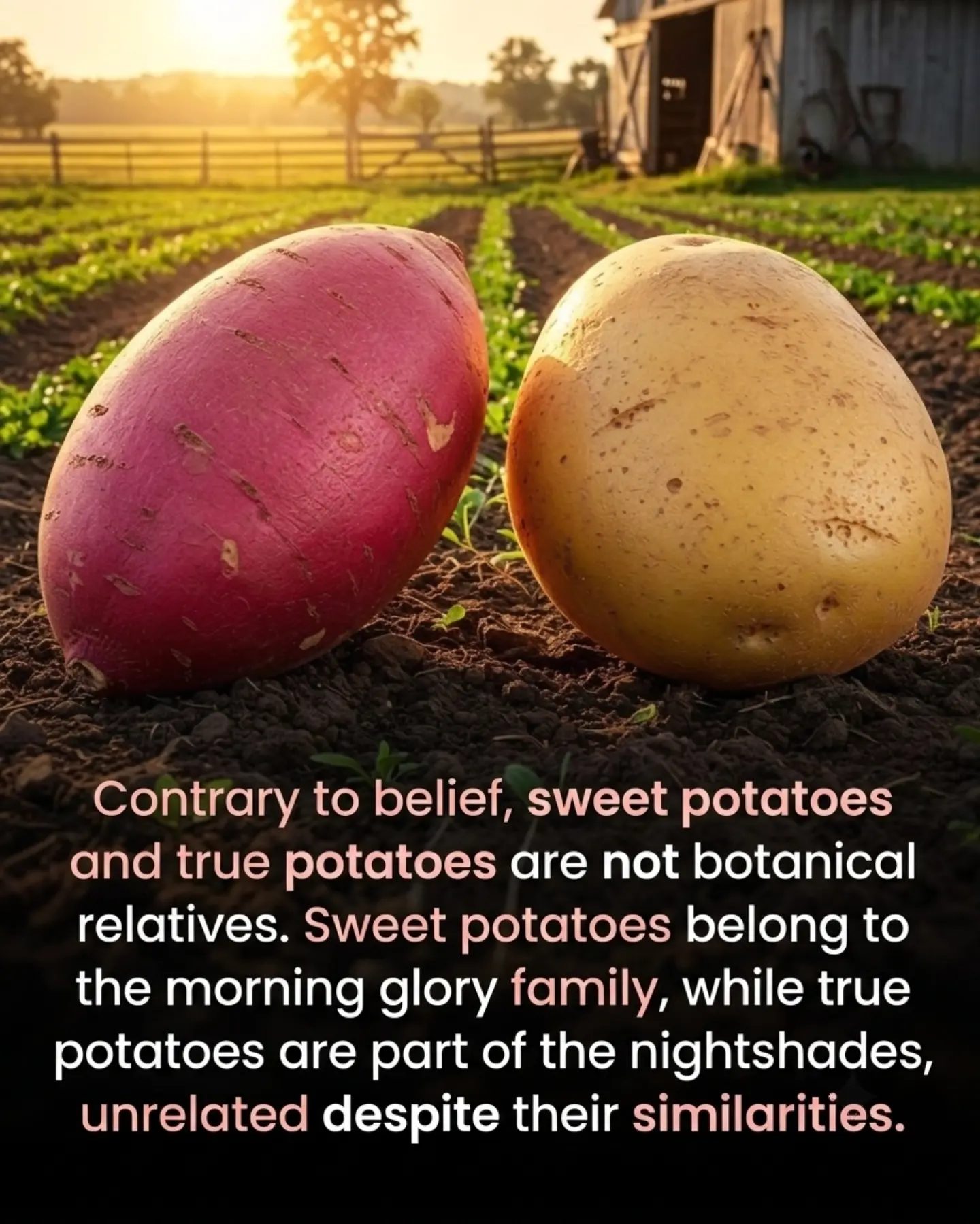
Sweet Potatoes: Facts and Botanical Differences
Sweet potatoes are a popular root vegetable, often enjoyed for their sweet flavor and vibrant color. However, even the most seasoned home cooks might not know their botanical differences from true potatoes. Contrary to what many people assume, sweet potatoes and regular potatoes are not botanical relatives.
Why this matters
Understanding the differences between sweet potatoes and true potatoes can enhance your appreciation for these versatile vegetables and inform your culinary decisions. It's important to know the botanical differences, how to choose and store them, and their nutritional benefits.
Main discussion
Botanical differences
Sweet potatoes belong to the morning glory family (Convolvulaceae), while true potatoes (Solanum tuberosum) are part of the nightshade family (Solanaceae). This means that despite their similar names and tuberous forms, they are not closely related from a botanical standpoint.
Sweet potatoes are native to the Americas and come in various colors, including orange, white, and purple. The color of the flesh can vary as well, with popular varieties like the Garnet yam (actually a sweet potato) and the Beauregard sweet potato. The latter is typically orange-fleshed and has a sweet, moist texture.
True potatoes, on the other hand, are native to the Andean region of South America and are typically white, yellow, or red on the inside and outside. They come in a variety of shapes and sizes, from small fingerling potatoes to large Russian-blue potatoes. True potatoes are starchier than sweet potatoes and have a more neutral flavor.
Choosing and Storing Sweet Potatoes
When selecting sweet potatoes, look for firm, smooth-skinned tubers that are free of blemishes and bruises. The skin color can vary, but the flesh should be firm and free of soft spots or wrinkles. Sweet potatoes should be stored in a cool, dry place, away from direct sunlight. They can be kept at room temperature for up to a week, or in the refrigerator for up to a month.
Nutritional Benefits
Sweet potatoes are a nutritional powerhouse, packed with vitamins, minerals, and fiber. They are an excellent source of vitamin A, which is essential for eye health and immune function. Sweet potatoes are also rich in vitamin C, potassium, and manganese, making them a great addition to any diet.
True potatoes, while not as nutrient-dense as sweet potatoes, still offer a range of health benefits. They are a good source of vitamin C, potassium, and fiber, and can be a valuable part of a balanced diet.
Cooking with Sweet Potatoes
Sweet potatoes are incredibly versatile and can be prepared in a variety of ways. They can be baked, boiled, roasted, or fried, and their natural sweetness makes them a delicious addition to both sweet and savory dishes. Some popular sweet potato recipes include:
- Roasted Sweet Potatoes: Toss sweet potato wedges in olive oil, salt, and pepper, and roast in the oven until tender and crispy.
- Sweet Potato Fries: Cut sweet potatoes into fries, toss in oil, and bake until crispy.
- Sweet Potato Pie: A classic dessert made with sweet potato puree, spices, and a flaky crust.
Practical tips
To get the most out of your sweet potatoes, try these practical tips:
- Choosing the Right Variety: Different varieties of sweet potatoes have distinct flavors and textures. Experiment with different types to find your favorite.
- Storing Properly: Store sweet potatoes in a cool, dry place to maintain their freshness.
- Cooking Methods: Roast, bake, or fry sweet potatoes to bring out their natural sweetness and enhance their flavor.
Understanding Varieties
Different varieties of sweet potatoes offer unique flavors and textures. Here are a few popular types:
Beauregard Sweet Potatoes: A classic variety with orange flesh and a sweet, moist texture. Often used in pies and casseroles.
Garnet Sweet Potatoes: Known for their reddish-purple skin and deep orange flesh, Garnet sweet potatoes have a moist texture and sweet flavor. They are great for roasting and baking.
Jewel Sweet Potatoes: Have copper-colored skin and bright orange flesh. They are sweet and moist, making them ideal for baking and roasting.
Important takeaways
Understanding the differences between sweet potatoes and true potatoes can improve your cooking and storage practices. Sweet potatoes, with their unique botanical classification and nutritional benefits, are a versatile and delicious addition to any meal.
Conclusion
Sweet potatoes are not only a tasty and versatile ingredient but also a fascinating plant with a rich botanical history. By understanding their differences from true potatoes and learning how to choose, store, and cook them, you can elevate your culinary skills and enjoy the many benefits of this remarkable root vegetable.
Questions readers ask
What family do sweet potatoes belong to?
Sweet potatoes belong to the Convolvulaceae family, also known as the morning glory family. This family includes over 1,000 species of flowering plants, including both sweet potatoes and morning glories.
Why are sweet potatoes and regular potatoes often confused with each other?
Sweet potatoes and regular potatoes are often confused due to their similar names and culinary uses. However, they are not botanical relatives. Sweet potatoes are part of the morning glory family, while regular potatoes belong to the nightshade family.
What are the key botanical differences between sweet potatoes and regular potatoes?
The primary botanical differences lie in their families and species. Sweet potatoes (Ipomoea batatas) are part of the morning glory family, while regular potatoes (Solanum tuberosum) are part of the nightshade family. Additionally, sweet potatoes grow on a vine, while regular potatoes grow underground from a plant's stem.
How do the storage needs of sweet potatoes and regular potatoes differ?
Sweet potatoes prefer a cool, dark, and humid environment for storage, ideally between 55-60°F (13-15°C) with high humidity. In contrast, regular potatoes prefer a cooler, darker, and drier environment, typically around 40-50°F (4-10°C) with lower humidity.
Do sweet potatoes and regular potatoes have different nutritional benefits?
Yes, sweet potatoes and regular potatoes have different nutritional profiles. Sweet potatoes are often higher in vitamin A and have a lower glycemic index, while regular potatoes are higher in potassium and vitamin C. The nutritional benefits can vary based on the specific variety and cooking method.
Can sweet potatoes and regular potatoes be used interchangeably in recipes?
While sweet potatoes and regular potatoes can sometimes be used interchangeably in recipes, their different flavors, textures, and cooking times should be considered. Sweet potatoes are sweeter and moister, while regular potatoes have a more neutral flavor and drier texture. It's best to adjust recipes accordingly or choose the potato type based on the desired outcome.
What are some culinary applications for sweet potatoes?
Sweet potatoes are incredibly versatile in the kitchen. They can be baked, roasted, mashed, or fried. Common dishes include sweet potato fries, pies, and casseroles. Their natural sweetness makes them a popular ingredient in both savory and sweet recipes.
Related deep dives
Similar reads based on topic and creator.



Recent articles
Fresh deep dives from the latest Reels we unpacked.




Comments
Be the first to comment.