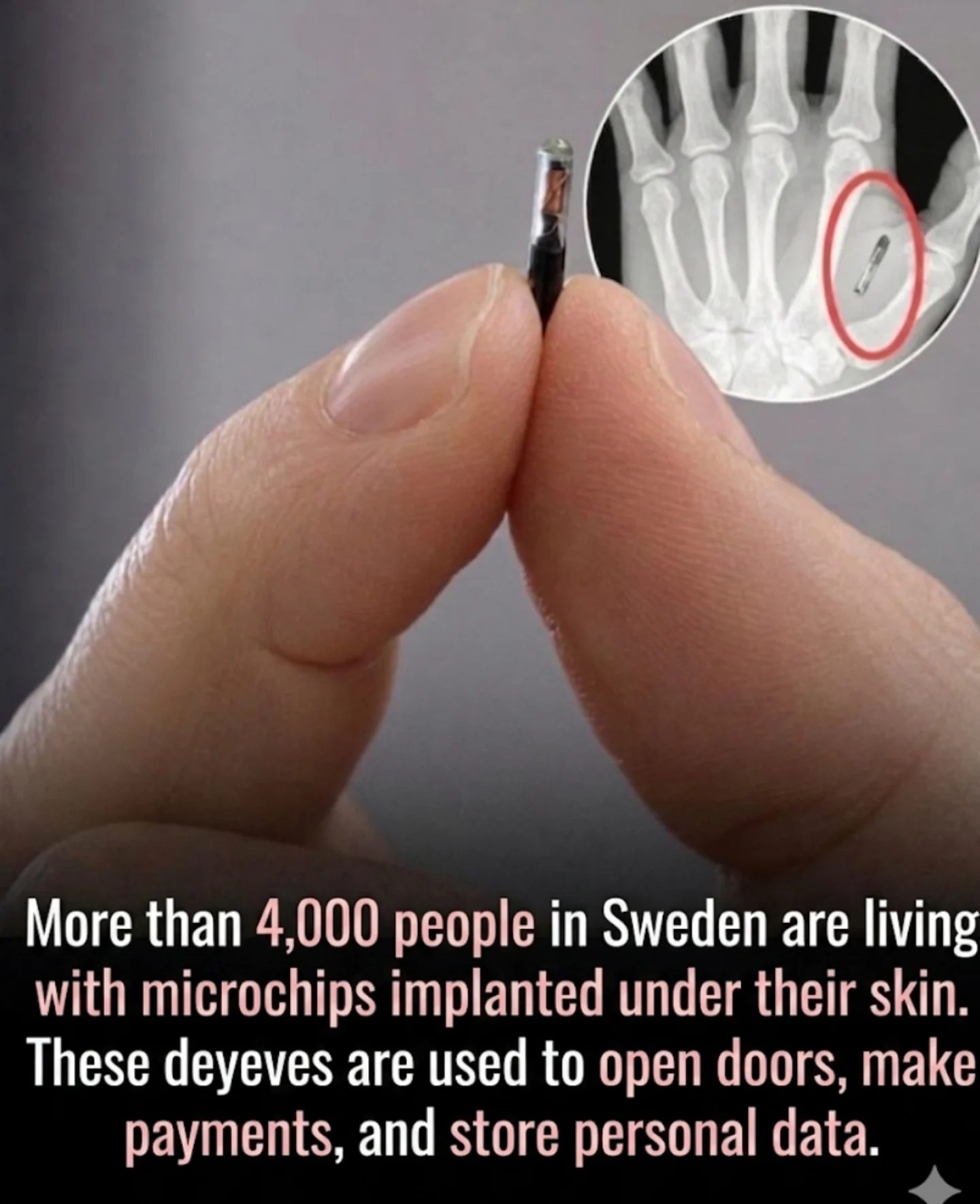
Microchip Implants: Revolutionizing Convenience and Biohacking in Sweden
Over 4,000 people in Sweden have embraced a modern convenience tool: microchip implants. These tiny devices, roughly the size of a grain of rice, are integrated under the skin and utilize Radio-Frequency Identification (RFID) and Near-Field Communication (NFC) technologies. The implants are used for a variety of purposes, from opening doors to making payments and storing personal data. In a world increasingly reliant on digital solutions, microchip implants offer an intriguing glimpse into the future of personal convenience and biohacking.
Context: Why This Matters
Sweden, known for its technological advancements and innovative approaches, has become a hotspot for microchip implants. This trend is part of a larger movement towards integrating technology with the human body to enhance daily life. While the concept of microchip implants might seem futuristic, it is already a reality for thousands of Swedes. By examining the practical applications and implications of this technology, we can better understand how it might shape the future of personal convenience and biohacking.
The Mechanics of Microchip Implants
How Do Microchip Implants Work?
Microchip implants are small, passive devices that operate using RFID and NFC technologies. These technologies are similar to those found in contactless payment cards and smart key fobs. The implants are inserted through a brief procedure, typically into the webbing between the thumb and index finger. The chips contain no internal battery or GPS capabilities; instead, they remain dormant until activated by the electromagnetic field of a nearby reader.
Versatile Applications
The versatility of microchip implants is one of their most appealing features. These devices can be used to:
- Unlock secure entryways: Implants can replace traditional keys, offering a seamless way to access homes, offices, and other secure locations.
- Make payments: Store basic contact information, allowing users to streamline transactions and reduce the need for physical wallets.
- Replace transit tickets: Enable users to access public transportation without the need for physical tickets.
- Access fitness centers: Automatically grant access to gyms and fitness facilities.
Practical Tips for Integrating Microchip Implants
If you're considering microchip implants, here are some practical tips to help you make an informed decision:
- Research the procedure: Understand the implantation process and its implications. Consult with healthcare professionals to ensure you are fully informed about the risks and benefits.
- Evaluate compatibility: Check if your daily routines and needs align with the applications of microchip implants. Ensure that the locations you frequently visit have the necessary technology to read the implants.
- Consider security measures: While microchip implants offer convenience, it's essential to understand how they handle and store personal data. Ensure that the technology complies with data security and encryption standards to protect your information.
- Explore alternatives: Consider if microchip implants are the best solution for your needs. Other wearable devices, such as smartwatches and biometric rings, might offer similar convenience and security.
Important Takeaways
- Convenience and Efficiency: Microchip implants offer a seamless way to streamline daily routines, reducing the need for physical keys, cards, and wallets.
- Technological Integration: These implants utilize widely adopted technologies like RFID and NFC, making them compatible with a range of applications.
- Data Security: While convenient, microchip implants raise important questions about data security, privacy, and encryption. Users must be aware of these implications and take appropriate measures to protect their personal information.
- Specialized Niche: Although gaining traction, microchip implants remain a specialized niche due to the rapid advancement of wearable devices and ongoing discussions about physical privacy.
Conclusion
Microchip implants represent a significant step forward in the realm of personal convenience and biohacking. By integrating these tiny devices into the human body, users can unlock new levels of efficiency and streamline their daily routines. While the technology offers numerous benefits, it also raises important considerations regarding data security, privacy, and compatibility. As microchip implants continue to evolve, they will likely play a pivotal role in shaping the future of how we interact with technology.
Questions readers ask
What are microchip implants and how do they work?
Microchip implants are small devices, about the size of a grain of rice, that are inserted under the skin. They use RFID and NFC technologies to transmit data wirelessly to compatible devices, allowing users to access secure locations, make payments, or share personal information with a simple wave of their hand.
How many people in Sweden have microchip implants?
As of the latest reports, over 4,000 people in Sweden have embraced microchip implants, making it a notable trend in the country.
What are the benefits of having a microchip implant?
Microchip implants offer several benefits, including enhanced convenience and security. They can be used to open doors, make payments, and share personal data seamlessly, reducing the need to carry multiple cards or devices.
Are microchip implants safe and what are the risks?
Microchip implants are generally considered safe when performed by a professional. However, there are some risks such as infection or rejection by the body. It is important to consult with a healthcare provider before getting an implant. The long-term effects of microchip implants are still being studied.
How are microchip implants inserted and can they be removed?
Microchip implants are typically inserted just under the skin, often between the thumb and index finger, using a small syringe. The procedure is relatively quick and straightforward. They can be removed, but the process is more invasive and typically requires a minor surgical procedure.
Can microchip implants be used for purposes other than paying and accessing secure locations?
Yes, microchip implants can be used for a variety of purposes beyond just payments and access control. They can store personal data, be used to log into computers or networks, and even be integrated with personal devices and home automation systems.
What is the significance of Sweden's microchip implant trend?
Sweden's microchip implant trend signifies a growing acceptance of biohacking and personal technology integration. It offers a glimpse into how technology can be integrated into daily life, making routine tasks more convenient and secure.
Related deep dives
Similar reads based on topic and creator.




Recent articles
Fresh deep dives from the latest Reels we unpacked.




Comments
Be the first to comment.