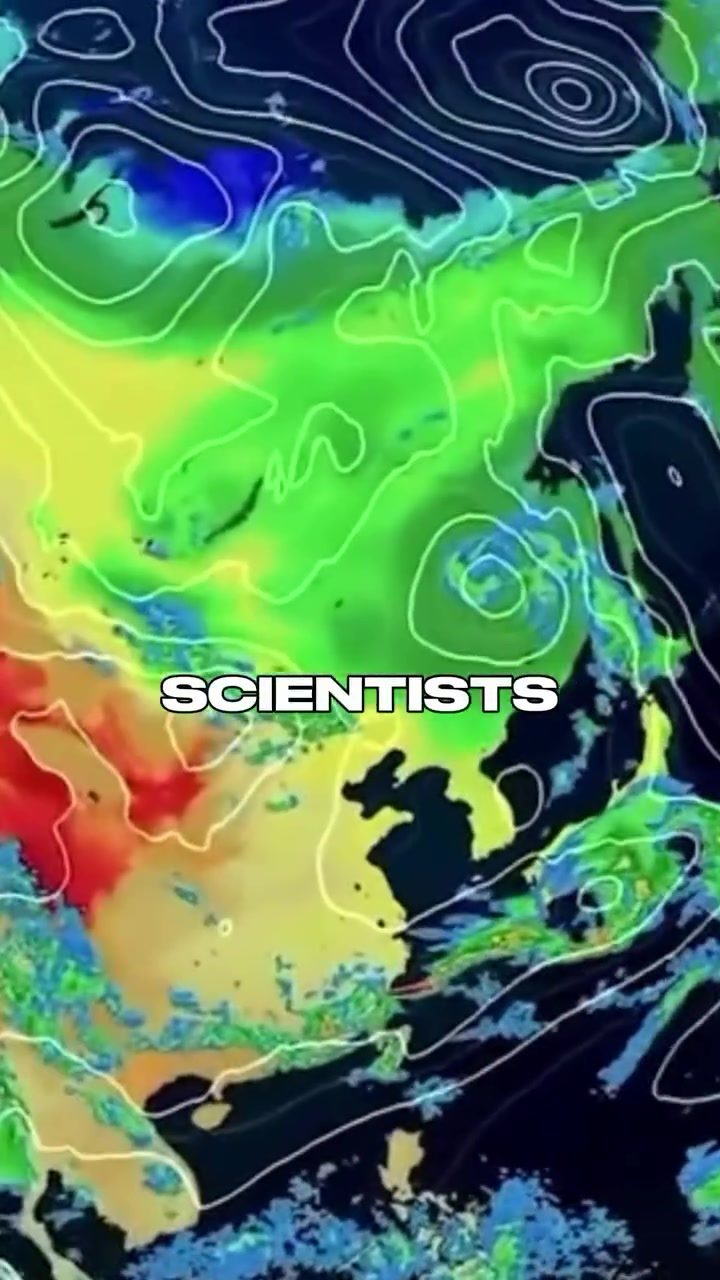
Super El Niño and Its Potential Impact on the World
A Super El Niño is forming across the Pacific Ocean, and scientists are warning that 2027 could become the hottest year on record. This isn't just another weather phenomenon—this event has the potential to significantly impact global climate patterns, causing extreme weather conditions worldwide. Let's break down what a Super El Niño is, how it forms, and what we can expect in the coming years.
Context / Why This Matters
Understanding a Super El Niño and its implications is crucial for several reasons. First, it affects weather patterns globally, leading to extreme conditions that can disrupt ecosystems and human societies alike. Second, it highlights the broader issue of climate change, which exacerbates the intensity and frequency of such events. Finally, being aware of these developments allows individuals, communities, and governments to prepare and adapt.
Main Discussion
A Super El Niño is a particularly strong phase of the El Niño-Southern Oscillation (ENSO) cycle, which is a natural climate pattern that oscillates between El Niño (warming) and La Niña (cooling) phases. During a Super El Niño, the Pacific Ocean releases a massive amount of heat into the atmosphere, causing significant disruptions in global weather patterns.
Formation and Characteristics
The formation of a Super El Niño is driven by complex interactions between the ocean and the atmosphere. Here’s a simplified explanation:
- Warming of the Pacific Ocean: The Pacific Ocean absorbs and stores vast amounts of heat. During an El Niño event, this stored heat is released into the atmosphere.
- Atmospheric Changes: The released heat affects atmospheric circulation patterns, leading to shifts in weather systems.
- Weather Pattern Disruptions: This disruption can cause widespread and severe weather events, including heatwaves, droughts, wildfires, and catastrophic flooding.
This particular Super El Niño is expected to be stronger and faster than previous events, with scientists predicting that it could start as early as 2027.
Global Impact
The impact of a Super El Niño can be far-reaching and varied, depending on the region. Here are some key points to consider:
- Heatwaves and Droughts: Regions like Australia, Asia, and Africa are likely to experience brutal heatwaves, severe droughts, and increased wildfire risk. This can lead to water shortages, crop failures, and increased health risks.
- Catastrophic Flooding: The Americas, particularly the western coasts, are expected to face significant flooding. This can result in property damage, displacement of populations, and disruption of infrastructure.
These predictions underscore the need for preparedness and adaptability. Communities in at-risk regions should start planning for these potential impacts now, rather than waiting for the event to unfold.
Regional Differences
The impact of a Super El Niño will vary significantly by region. For example, areas that normally experience wet seasons during an El Niño could see even more intense rainfall, while areas that typically experience dry conditions may face drought.
Practical Tips
Given the potential impacts of a Super El Niño, here are some practical tips for individuals and communities:
- Stay Informed: Keep up-to-date with the latest scientific information and weather forecasts. This will help you stay prepared and make informed decisions.
- Prepare Your Home: Secure outdoor furniture and other loose items, and check your home’s infrastructure for any vulnerabilities.
- Emergency Supplies: Stock up on essential supplies like water, non-perishable food, first-aid kits, and any necessary medications. Consider having an emergency plan in place, including a designated meeting point for family members and an evacuation plan.
- Community Planning: If you live in a region prone to flooding, consider participating in community planning efforts to mitigate risks. This can include reinforcing infrastructure, creating emergency response plans, and organizing community drills.
Important Takeaways
The upcoming Super El Niño highlights the need for global awareness and preparedness. Here are some key takeaways:
- Climate Change Connection: This event underscores the broader issue of climate change, which is making extreme weather events more frequent and severe.
- Regional Variability: The impact of a Super El Niño will vary by region, with some areas experiencing heatwaves and droughts, while others face catastrophic flooding.
- Preparedness is Key: Early preparation and planning can significantly reduce the risks and impacts of extreme weather events.
Conclusion
The formation of a Super El Niño across the Pacific Ocean is a significant event with far-reaching implications. Understanding what a Super El Niño is, how it forms, and its potential impact is crucial for individuals, communities, and governments to prepare and adapt. By staying informed, planning ahead, and working together, we can mitigate the risks and minimize the impact of this powerful climate event.
Questions readers ask
What is a Super El Niño and how does it form?
A Super El Niño is an extreme phase of the El Niño-Southern Oscillation (ENSO) cycle, characterized by unusually high sea surface temperatures in the central and eastern Pacific Ocean. It develops from complex interactions between the ocean and the atmosphere, involving changes in wind patterns, ocean currents, and heat distribution, leading to significant global weather impacts.
Why is 2027 expected to be the hottest year on record due to a Super El Niño?
The Super El Niño event in 2027 is projected to release a massive amount of heat stored in the Pacific Ocean into the atmosphere. This additional heat, combined with existing global heating trends, is expected to cause record-breaking temperatures, making 2027 a contender for the hottest year ever recorded.
How will the Super El Niño affect global weather patterns in 2027?
The Super El Niño can lead to widespread and extreme weather events, including severe heatwaves, droughts, and flooding in various regions worldwide. For instance, some areas may experience prolonged droughts and heatwaves, while others might face intense rainfall and flooding, disrupting local climates and ecosystems.
Which regions are most at risk from the Super El Niño in 2027?
Regions particularly vulnerable to the effects of a Super El Niño include Southeast Asia, Australia, and the Pacific Islands, which may face increased rainfall and flooding. Conversely, areas in South America, Africa, and parts of the United States could experience more severe droughts and heatwaves, leading to water shortages and agricultural challenges.
What role does climate change play in the intensity of a Super El Niño?
Climate change is expected to exacerbate the intensity and frequency of Super El Niño events. Warmer ocean temperatures and altered atmospheric conditions, driven by global heating, can fuel more powerful El Niño events, leading to more severe and unpredictable weather patterns.
What measures can be taken to mitigate the impacts of a Super El Niño?
While it is challenging to prevent a Super El Niño, preparedness and early warning systems can help mitigate its impacts. Governments and communities can implement strategies such as improved water management, enhanced drought and flood prevention, and strengthening infrastructure to withstand extreme weather events.
How can individuals prepare for the potential impacts of the Super El Niño in 2027?
Individuals can take several steps to prepare for the Super El Niño, including staying informed about local weather forecasts, stocking up on essential supplies, and developing emergency plans. Additionally, supporting community efforts to build resilience and protect vulnerable populations can help minimize the adverse effects of the event.
Recent articles
Fresh deep dives from the latest Reels we unpacked.




Comments
Be the first to comment.