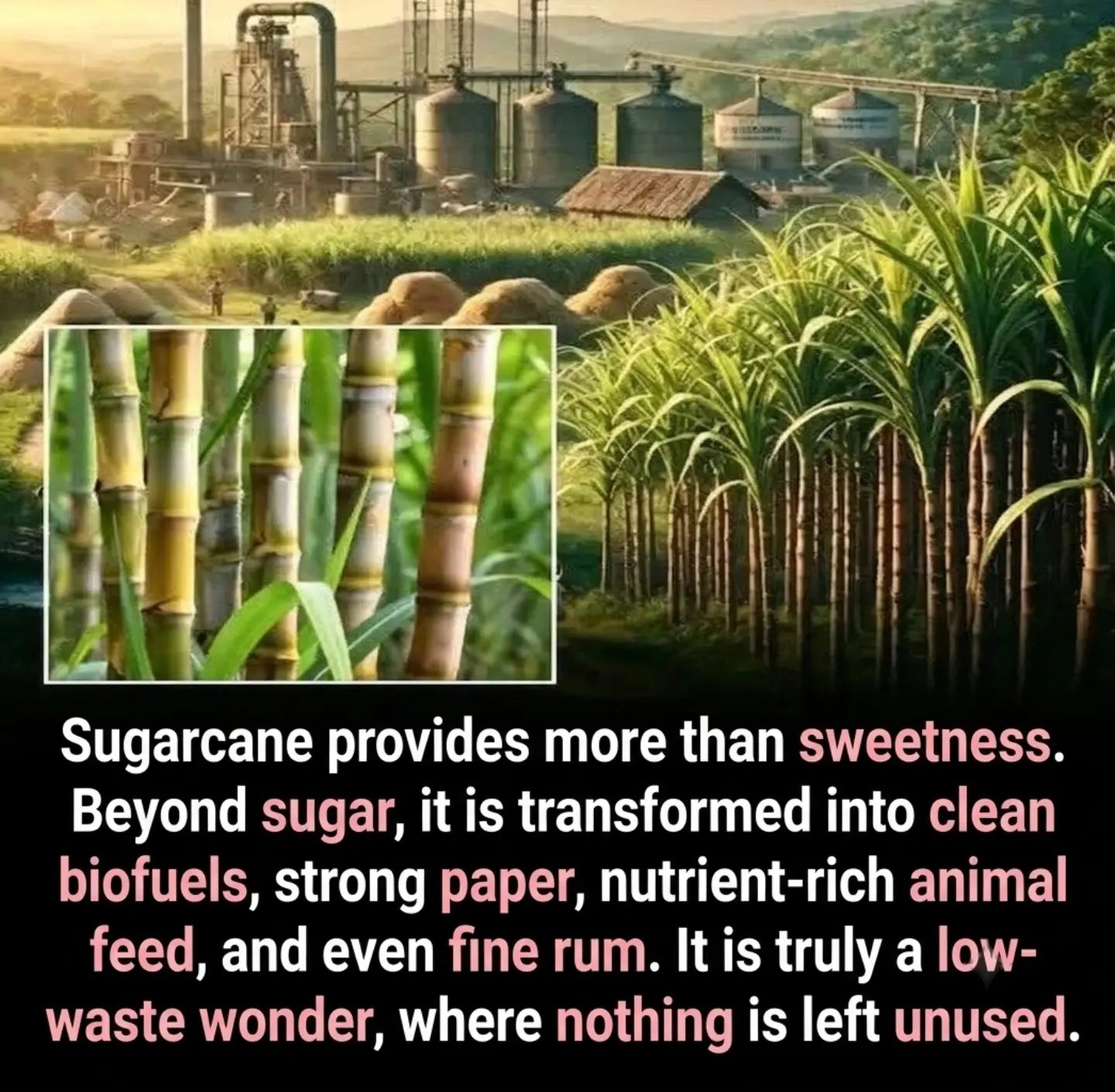
Sugarcane: Beyond Sweetness
Sugarcane is a versatile crop that extends far beyond its traditional use as a sweetener. This plant plays a significant role in various industries, contributing to the production of biofuels, paper, animal feed, and even rum. Understanding the full potential of sugarcane can offer valuable insights into sustainable agriculture and resource management.
Why This Matters
The ability to transform sugarcane into multiple useful products is not only economically beneficial but also environmentally crucial. By maximizing the utility of sugarcane, industries can minimize waste and promote a more sustainable approach to resource use. This has significant implications for reducing waste in the agricultural sector and creating a more circular economy.
The Versatility of Sugarcane
Biofuels
One of the most promising applications of sugarcane is in the production of biofuels. Biofuels derived from sugarcane are considered clean energy sources because they are renewable and produce lower levels of greenhouse gases compared to fossil fuels. Sugarcane ethanol, for example, is a popular biofuel used in many countries as an alternative to gasoline. The production process involves fermenting the sugarcane juice or molasses to produce ethanol, which can then be blended with gasoline to create a cleaner-burning fuel.
Paper Production
The stalks of sugarcane are rich in cellulose, a key component in paper production. After extracting the juice for sugar and biofuel production, the remaining fiber can be used to make high-quality paper. This dual-use of the sugarcane plant not only reduces waste but also provides a sustainable source of raw materials for the paper industry. This process also contributes to the conservation of forests, as it decreases the demand for wood pulp.
Animal Feed
Sugarcane is also a valuable source of animal feed. The fibrous residue left after juice extraction, known as bagasse, can be processed into a nutrient-rich feed for livestock. This byproduct is high in fiber and can be used to feed cattle, sheep, and other ruminants. It is especially beneficial for dairy farmers, as it provides a cost-effective and nutritious feed option, helping to improve the overall health and productivity of the animals. By using sugarcane for animal feed, farmers can reduce their reliance on other feed sources and lower their feed costs.
Rum Production
Beyond its industrial applications, sugarcane is also the primary ingredient in the production of rum. Molasses, a byproduct of sugar production, is fermented and distilled to create this popular spirit. The distillation process involves fermenting the molasses with yeast to produce alcohol, which is then distilled multiple times to achieve the desired flavor and strength. Rum production not only adds value to the sugarcane industry but also supports the agricultural economy by providing additional revenue streams and job opportunities.
Practical Tips for Maximizing Sugarcane Utility
To fully harness the potential of sugarcane, it is essential to implement efficient and sustainable practices. Here are some practical tips for maximizing the utility of sugarcane:
Efficient Processing Techniques
Investing in advanced processing techniques can significantly enhance the efficiency of sugarcane utilization. Modern technologies, such as high-pressure extraction and enzymatic treatments, can improve the yield of sugar, biofuel, and other byproducts. These techniques also help in reducing waste and increasing the overall productivity of the sugarcane plant.
Integrated Farming Systems
Integrated farming systems involve combining sugarcane cultivation with other agricultural practices, such as livestock farming and crop rotation. This approach can create a more sustainable and resilient agricultural system. For example, using sugarcane bagasse as animal feed can support livestock farming, while the manure produced by the animals can be used as natural fertilizer for sugarcane cultivation.
Waste Management
Effective waste management is crucial for minimizing the environmental impact of sugarcane production. Implementing waste-to-energy solutions, such as using bagasse to produce biogas, can help reduce waste and generate additional energy. This approach not only minimizes waste but also contributes to the overall sustainability of the sugarcane industry.
Sustainable Practices
Adopting sustainable practices, such as water conservation and soil management, can enhance the long-term viability of sugarcane production. Techniques like drip irrigation and organic farming can help conserve water and improve soil health, ensuring the sustainability of sugarcane cultivation.
Important Takeaways
Sugarcane is a versatile and valuable crop with multiple uses beyond sugar production. By transforming sugarcane into biofuels, paper, animal feed, and rum, industries can create a more sustainable and resource-efficient system. Implementing efficient processing techniques, integrated farming systems, and sustainable practices can maximize the utility of sugarcane and minimize waste. This approach not only supports the agricultural economy but also contributes to environmental sustainability and resource conservation.
Conclusion
Sugarcane's versatility extends far beyond its traditional use as a sweetener. Its ability to be transformed into biofuels, paper, animal feed, and rum makes it a valuable resource for various industries. By leveraging these diverse applications, we can create a more sustainable and resource-efficient agricultural system. Understanding the full potential of sugarcane and implementing practical strategies to maximize its utility can contribute to a greener future and support the agricultural economy.
Questions readers ask
How does sugarcane contribute to biofuel production?
Sugarcane is a primary source for bioethanol, a renewable fuel. The process involves fermenting sugarcane juice or molasses to produce biofuel, which can be used as a cleaner alternative to gasoline. This transformation of sugarcane into biofuels minimizes reliance on fossil fuels, thereby reducing carbon emissions.
What role does sugarcane play in paper production?
Sugarcane bagasse, the fibrous residue left after extracting juice from the stalks, is a valuable raw material for paper production. This byproduct can be pulped and turned into high-quality paper, contributing to sustainable forestry practices by reducing the demand for wood pulp.
How is sugarcane utilized in the production of animal feed?
Sugarcane byproducts such as bagasse and molasses can be transformed into nutritious animal feed. These materials are rich in nutrients and fibre, making them an excellent supplement for livestock diets. Using sugarcane waste for animal feed enhances the efficiency of the agricultural process and reduces the amount of waste sent to landfills.
What are the benefits of using sugarcane for biofuels?
Using sugarcane for biofuel production offers several advantages, including reduced greenhouse gas emissions compared to traditional fossil fuels. Biofuels from sugarcane are renewable and can help lower dependence on non-renewable resources, promoting energy independence and sustainable practices in the agricultural sector.
How does sugarcane support sustainable agriculture and resource management?
By utilizing various parts of the sugarcane plant, industries can minimize waste and create a more circular economy. This approach enhances resource efficiency and reduces environmental impact, making sugarcane a vital component in sustainable agricultural practices.
What is the impact of sugarcane waste management on the environment?
Effective management of sugarcane waste, such as using bagasse for paper production and molasses for biofuels, reduces the amount of waste sent to landfills. This not only helps in conserving landfill space but also minimizes environmental pollution and supports a cleaner, more sustainable ecosystem.
Related deep dives
Similar reads based on topic and creator.



Recent articles
Fresh deep dives from the latest Reels we unpacked.




Comments
Be the first to comment.