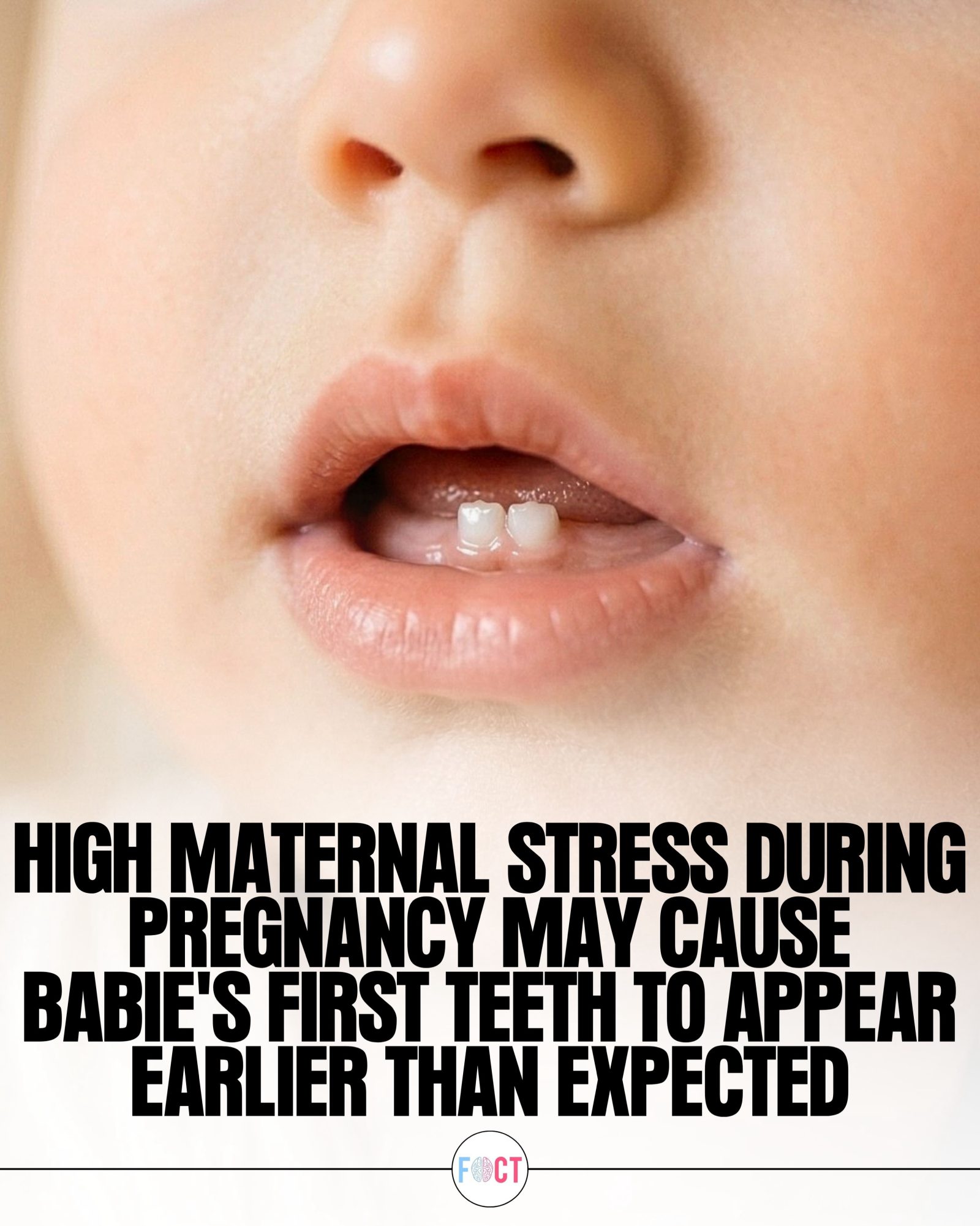
Pregnancy and Baby Teeth: The Impact of Maternal Stress
Maternal stress during pregnancy can significantly influence a baby's development, including the timing of their first teeth. Recent research has uncovered a fascinating link between high stress levels in late pregnancy and the early eruption of a baby's primary teeth. This phenomenon is attributed to elevated cortisol, the primary stress hormone, which may accelerate bone and tooth growth in the developing fetus.
Context / Why This Matters
Pregnancy is a time of profound physiological changes, and the health of the mother directly impacts the developing baby. Understanding how maternal stress affects fetal development is crucial for ensuring the best possible outcomes for both mother and child. The appearance of a baby's first teeth is an important milestone, and any deviations from the expected timeline can offer insights into the prenatal environment.
Main Discussion
The Role of Cortisol
Cortisol, often referred to as the "stress hormone," plays a critical role in the body's response to stress. During pregnancy, elevated cortisol levels can cross the placental barrier and influence the developing fetus. Research has shown that high maternal stress in late pregnancy leads to increased cortisol exposure for the baby, which in turn can accelerate the development of primary teeth.
Early Tooth Eruption
Babies born to mothers who experienced high stress levels during pregnancy tend to have more teeth by six months compared to babies of mothers with lower stress levels. This early eruption of primary teeth is thought to be a result of the accelerated bone and tooth growth caused by prenatal stress. While the exact mechanisms are still being studied, it is clear that the timing of tooth eruption can serve as a marker for prenatal stress exposure.
Fetal Development and Long-Term Health
Prenatal stress not only affects the timing of tooth eruption but may also have long-term implications for a child's health. Early teeth could indicate a higher risk of stress-related health issues later in life. This highlights the importance of managing stress during pregnancy to promote optimal fetal development and long-term health.
Practical Tips
Managing Stress During Pregnancy
While it is impossible to eliminate all stress, there are several strategies that can help manage it effectively:
- Mindfulness and Meditation: Practicing mindfulness and meditation can help reduce stress levels and promote relaxation.
- Regular Exercise: Gentle exercises like prenatal yoga, swimming, or walking can improve mood and reduce stress.
- Adequate Sleep: Ensuring a good night's sleep is crucial for both physical and mental well-being.
- Social Support: Building a strong support network of family and friends can provide emotional support and reduce stress.
- Professional Help: If stress levels become unmanageable, seeking help from a healthcare professional or counselor can be beneficial.
Monitoring Fetal Development
Regular prenatal check-ups are essential for monitoring fetal development. Discussing any concerns about stress or fetal development with a healthcare provider can provide personalized advice and support.
Important Takeaways
- Elevated maternal cortisol levels during pregnancy can accelerate the development of a baby's primary teeth.
- Babies of high-stress mothers may have more teeth by six months compared to those of low-stress mothers.
- Prenatal stress can have long-term health implications for the child.
- Managing stress through mindfulness, exercise, and social support can promote better fetal development and long-term health.
Conclusion
Understanding the link between maternal stress and baby teeth is an important step in promoting optimal prenatal health. By managing stress levels and seeking appropriate support, expectant mothers can help ensure the best possible outcomes for their developing babies.
Questions readers ask
How does maternal stress in late pregnancy influence a baby's teeth development?
Maternal stress in late pregnancy can lead to the early eruption of a baby's first set of teeth. This is due to an increase in cortisol, the primary stress hormone, which can accelerate the development of teeth and bones in the fetus.
What is the role of cortisol in prenatal stress and teeth development?
Cortisol, a stress hormone, is transferred from the mother to the baby during pregnancy. Elevated cortisol levels in the mother can accelerate the growth of the baby's teeth and bones, leading to early tooth eruption.
Can the timing of a baby's first teeth indicate prenatal stress exposure?
Yes, the early eruption of a baby's first teeth can serve as a marker for prenatal stress exposure. This is because increased cortisol levels, which are transferred from the mother to the baby, accelerate tooth development.
What are the effects of maternal stress during pregnancy on the fetus?
Maternal stress during pregnancy can influence the timing of a baby's first teeth. High stress levels, specifically in late pregnancy, are linked to the early eruption of a baby's primary teeth, highlighting the impact of prenatal stress on a baby's development.
What is the connection between late pregnancy stress and early tooth eruption?
Late pregnancy stress can accelerate the development of a baby's teeth, leading to early tooth eruption. This is due to the increased cortisol transfer from mother to baby, which affects the growth of teeth and bones in the developing fetus.
How does understanding the impact of maternal stress on baby teeth help in ensuring good outcomes for mother and child?
Understanding the impact of maternal stress on baby teeth can assist health professionals in monitoring a baby's development and offering guidance and support to the mother. This knowledge helps in managing stress levels during pregnancy, which promotes the well-being of both mother and child.
Recent articles
Fresh deep dives from the latest Reels we unpacked.




Comments
Be the first to comment.