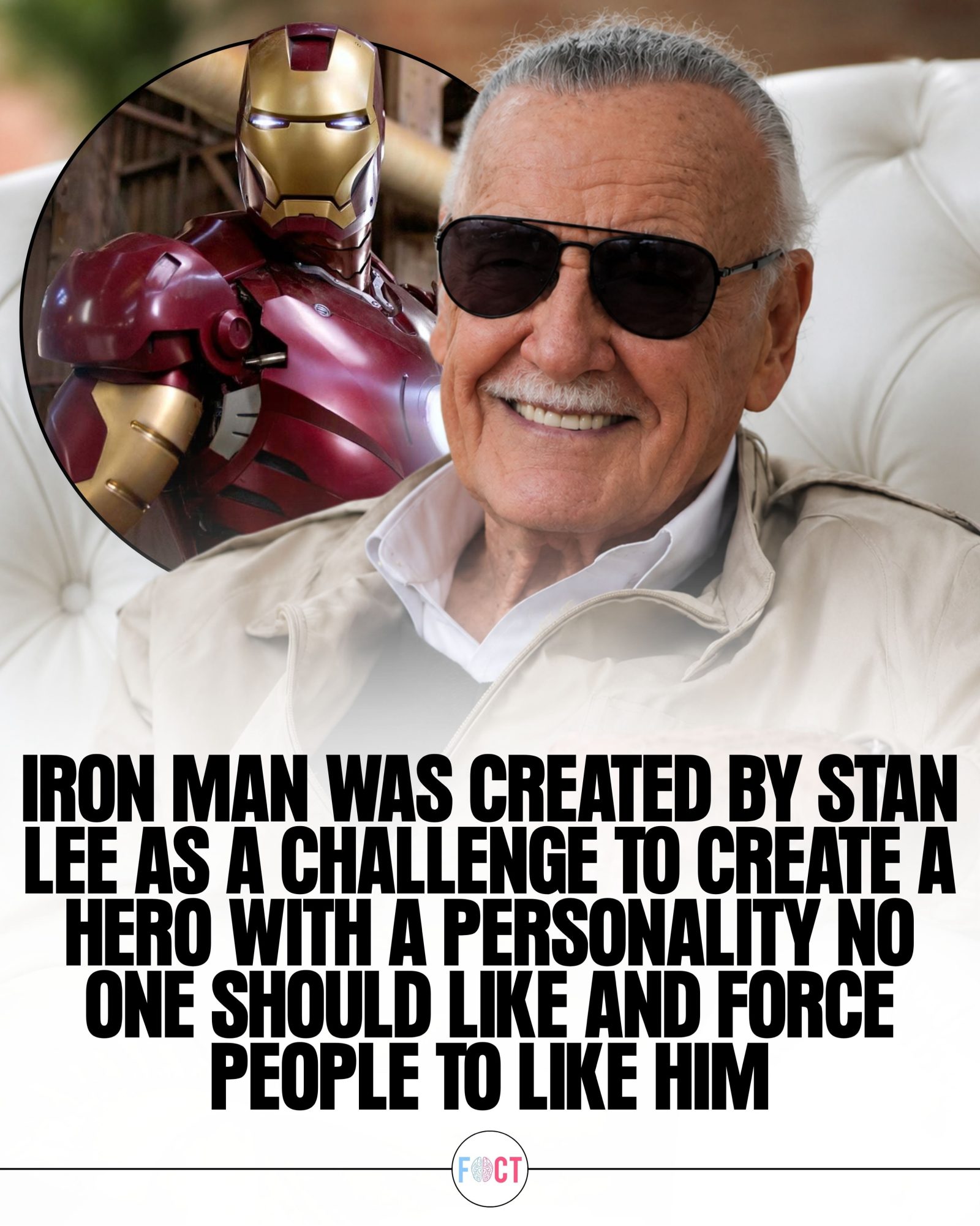
Stan Lee and the Creation of Iron Man
The creation of Iron Man is a fascinating story that revolves around the visionary mind of Stan Lee, the legendary comic book writer and editor. Following the success of the Fantastic Four in 1961 and the subsequent revival of American comic books featuring superheroes, Marvel Comics embarked on creating new superhero characters. Among these, Iron Man stands out as a unique and compelling figure, crafted with a deliberate strategy to captivate readers despite his inherent flaws.
Context / Why this matters
Iron Man's creation was grounded in the socio-political climate of the time, particularly the United States' involvement in the Vietnam War. The character was introduced as an active player in this conflict, reflecting the national mood that saw the war as a straightforward battle between good and evil. This backdrop provided a rich canvas for Lee to develop a hero who, despite being unpalatable to his generally anti-war readers, would eventually win their affection.
Main discussion
The development of Iron Man
Lee wanted to challenge himself and his audience by designing a character who would initially be disliked by readers but would ultimately be embraced. This character, Iron Man, was created in the years following the establishment of the United States' permanent arms industry. This real-world context was woven into the character’s backstory, making Iron Man a complex figure who grappled with the ethical implications of his technological advancements.
Iron Man was envisioned to be a modern-day Arthurian knight, embodying the ideals of chivalry and heroism. This archetype was blended with the persona of a businessman, exemplified by Howard Hughes. The character's physical appearance and his arrogant yet charismatic demeanor were inspired by Hughes' public image. Additionally, the design incorporated elements from the actor Errol Flynn, adding a layer of glamour and swagger to the character.
The creative process
The initial design of Iron Man underwent several iterations. Jack Kirby, a prolific comic book artist, first drew the character with a "round and clunky gray heap" of armor. This design was later refined by Don Heck, who added futuristic gadgets like jets, drills, and suction cups, transforming Iron Man into a more dynamic and formidable figure.
Lee's approach to Iron Man's creation was not just about design; it was also about storytelling. Larry Lieber, Lee's brother, was tasked with developing the character's origin and writing the first Iron Man story. This collaborative effort ensured that Iron Man was more than just a visually appealing character; he was a hero with depth and complexity.
The role of Iron Man in the Marvel Universe
Iron Man's introduction at a time when comic book characters were first depicted struggling with real-life problems made him a groundbreaking figure. His heart injury, for example, was an early example of a superhero grappling with a physical disability. This aspect added a layer of vulnerability and relatability to the character, making him stand out in a genre dominated by invincible heroes.
Ironic Man's backstory as a businessman and weapons manufacturer also introduced a moral complexity to the character. His journey from a self-interested playboy to a heroic figure was a testament to the power of redemption and personal growth. This narrative arc resonated with readers, as it highlighted the transformative power of heroism.
Practical tips
For aspiring comic book creators, the story of Iron Man offers several practical tips:
-
Character Depth: Create characters with distinct personalities and backstories. Iron Man’s combination of arrogance, brilliance, and vulnerability makes him a relatable and compelling figure.
-
Contextual Relevance: Ground your characters in real-world contexts. The socio-political climate of the Vietnam War era provided a rich backdrop for Iron Man's development, making him a relevant and resonant figure.
-
Visual Appeal: Work closely with artists to develop a visually striking character. The evolution of Iron Man's design, from Kirby's initial sketch to Heck's refined version, demonstrates the importance of iterative design in creating a memorable character.
-
Moral Complexity: Incorporate moral dilemmas and ethical considerations into your characters' narratives. Iron Man's struggle with his role as a weapons manufacturer adds depth to his character and makes him more engaging to readers.
-
Collaboration: Leverage the strengths of a team. Stan Lee's collaboration with Jack Kirby, Don Heck, and Larry Lieber resulted in a character that surpassed their individual contributions, showcasing the power of teamwork in creative endeavors.
Important takeaways
The creation of Iron Man underscores the importance of intentional character design and storytelling. By challenging his readers to like a character they might initially dislike, Stan Lee demonstrated the power of narrative in shaping perceptions. This approach not only enriched the Marvel Universe but also set new standards for character development in comic books.
Iron Man's journey from a morally ambiguous figure to a beloved hero is a testament to the transformative power of storytelling. By grounding the character in real-world contexts and imbueing him with relatable flaws, Lee and his collaborators created a hero who continues to captivate audiences decades after his inception.
Conclusion
The story of Stan Lee and the creation of Iron Man is a tale of creativity, collaboration, and innovation. From his initial concept of a flawed yet heroic figure to the intricate details of his design and backstory, Iron Man embodies the spirit of the Marvel Universe. His enduring popularity is a testament to the power of well-crafted characters and compelling narratives. As we continue to explore the world of superhero comics, the legacy of Iron Man serves as an inspiration for creators and fans alike, reminding us of the potential for depth and complexity in superhero storytelling.
Questions readers ask
How did the Vietnam War influence the creation of Iron Man?
The Vietnam War significantly influenced Iron Man's creation, as Stan Lee sought to create a hero who reflected the complex emotions and moral dilemmas of the era. Iron Man's involvement in the conflict served as a commentary on the national mood and the ethical implications of warfare, making the character more relevant to readers.
Why did Stan Lee make Iron Man a flawed character?
Stan Lee deliberately crafted Iron Man as a flawed character to make him more relatable and to challenge readers. By grappling with ethical dilemmas and personal struggles, Iron Man became a complex protagonist who reflected real-world complexities, rather than a perfect, invincible hero.
What was Stan Lee's approach to designing Iron Man's technology?
Stan Lee blended modern-day military technology with a knightly code to design Iron Man's suit and powers. This approach allowed Iron Man to stand out among other superheroes, as his technology was grounded in reality while still being extraordinary. It also allowed for a deeper exploration of the character's struggles.
How did Stan Lee's approach to character development influence Iron Man?
Stan Lee's unorthodox approach to character development led to the creation of a hero who grappled with his own ethical dilemmas and flaws. He was not only a superhero but also a human being who faced the consequences of his actions, making his character more compelling and relatable to readers.
What sets Iron Man apart from other superheroes created by Stan Lee?
Iron Man stands apart from other superheroes due to his complex nature and the ethical dilemmas he faces. Unlike many other heroes, Iron Man is flawed and must navigate his own moral compass, making his journey more engaging and thought-provoking for readers.
Related deep dives
Similar reads based on topic and creator.




Recent articles
Fresh deep dives from the latest Reels we unpacked.




Comments
Be the first to comment.