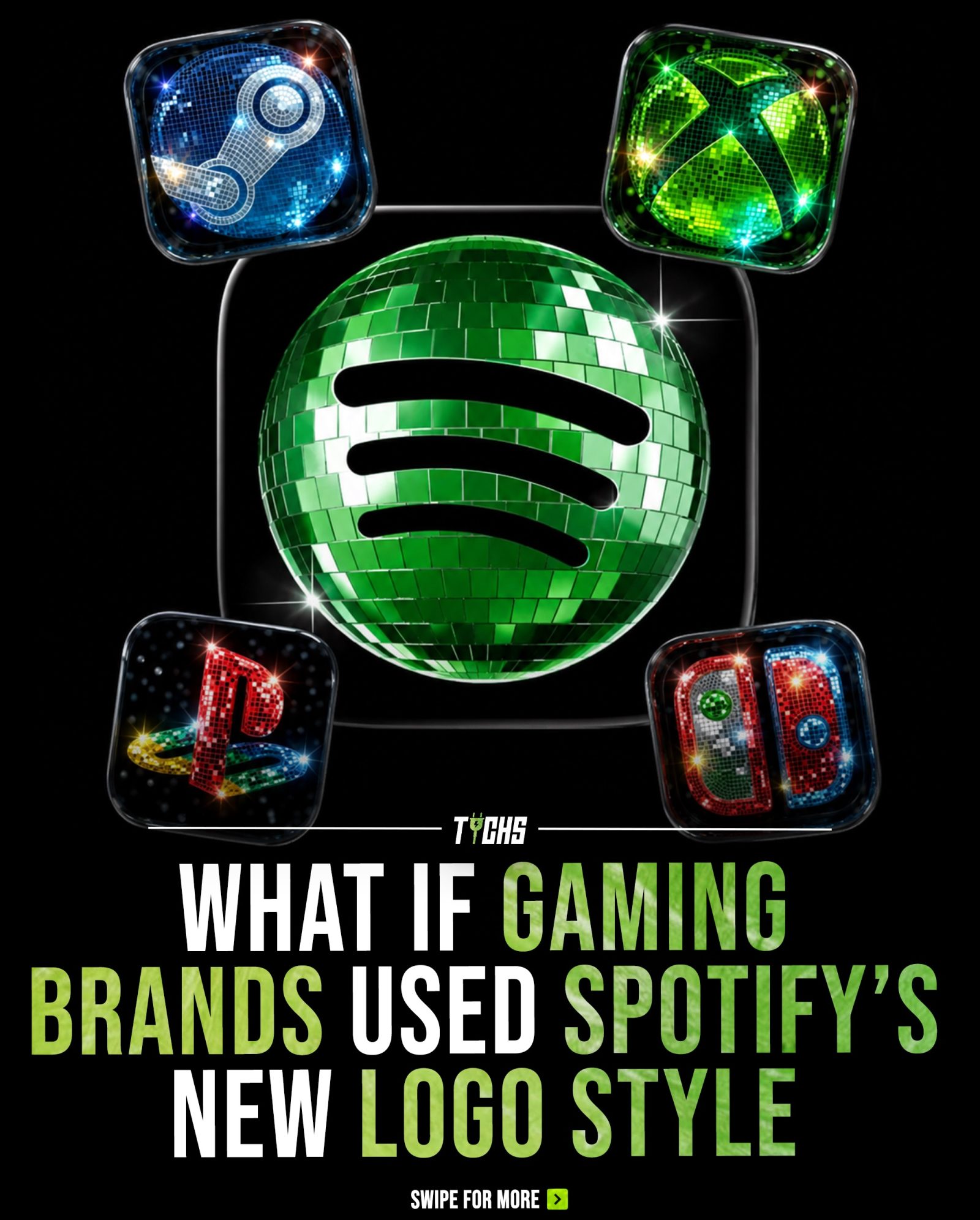
Gaming Brand Logo Redesign
The gaming world has witnessed a fascinating shift in visual trends, particularly in logo design. This transformation coincides with Spotify’s iconic 2023 logo redesign, which has sparked a wave of interest in retro-futuristic aesthetics. The new trend is characterized by glossy 3D icons, Y2K textures, reflections, and a "discomorphism" style, which vividly brings early 2000s internet culture back to life. This aesthetic is influencing various gaming, tech, and app logos, marking a significant move away from flat minimalism toward bolder, more playful, and high-texture designs.
Context / Why This Matters
The change in design trends is significant for several reasons. Firstly, it reflects a broader cultural shift toward nostalgia and retro-futurism. Secondly, it highlights the influence of a single brand on the broader design landscape. Lastly, it showcases the power of visual trends in driving creativity and innovation in digital design. Understanding this trend can provide valuable insights for designers, marketers, and gamers alike.
Main Discussion
The Evolution of Spotify’s Logo
Spotify’s recent logo redesign serves as the catalyst for this new wave of internet aesthetics. The classic flat logo, which had been a staple for the brand, was transformed into a shiny, textured disco-style icon. This redesign, which incorporated elements of the disco ball, featured a glossy 3D sphere with the brand's icon embedded within, creating a striking and futuristic look.
The Impact on Gaming Brands
Following Spotify’s redesign, the gaming world quickly embraced this new aesthetic. Logo designers began reimagining iconic gaming, tech, and app logos using the same disco ball-inspired style. This trend is evident in the reimagined logos of major gaming brands, including Xbox, Steam, and Spotify itself. Xbox’s redesign features a vibrant 3D sphere with the iconic Xbox logo embedded within, while Steam’s new logo showcases a similar transformation, bringing a fresh, retro-futuristic look to the brand.
The Role of Y2K Aesthetics
The resurgence of Y2K aesthetics is a key factor in this trend. The early 2000s internet culture, characterized by neon colors, gradient backgrounds, and playful fonts, has made a comeback in a big way. This retro-futuristic style is being integrated into modern design, creating a unique blend of nostalgia and innovation. The use of high-texture elements, reflections, and 3D graphics adds depth and dynamism to the new logos, making them stand out in the digital landscape.
The Influence of Disco Morphism
The term "discomorphism" describes the visual transformation of simple 2D logos into dynamic, 3D, disco-ball-like spheres. This aesthetic not only adds a futuristic touch but also evokes a sense of nostalgia, reminiscent of early 2000s internet design trends. The disco ball motif, with its reflective surfaces and vibrant colors, contributes to the overall playful and high-texture design, making the logos more engaging and memorable.
The Swipe and Dive into Gaming World Trends
The trend showcased in the reel showcases various gaming brands with their logos redesigned in the style of Spotify’s new logo, featuring a disco ball-like sphere with the brand’s icon embedded within. The reels promote daily updates from the gaming world, encouraging viewers to dive deeper into the evolving design landscape. This not only highlights the transformation of gaming brand logos but also provides a platform for staying updated with the latest trends in the gaming industry.
The Future of Digital Design
As the trend continues to gain traction, it's clear that digital design is moving toward a more playful, high-texture, and retro-futuristic aesthetic. This shift is not just about visual aesthetics but also about the emotional and cultural resonance of the designs. The return of Y2K aesthetics and the influence of disco-ball-inspired designs are reshaping the digital landscape, making it more engaging and visually rich.
Practical Tips for Designers
For designers looking to incorporate this trend into their work, here are a few practical tips:
- Embrace Texture: Incorporate high-texture elements into your designs to create depth and dynamism. This can be achieved through 3D graphics, reflections, and vibrant colors.
- Redefine Retro-Futurism: Blend retro elements from the early 2000s with futuristic design principles to create a unique and nostalgic aesthetic.
- Experiment with Disco Morphism: Explore the possibility of transforming 2D logos into 3D, disco-ball-like spheres to add a playful and dynamic touch to your designs.
- Stay Updated: Keep an eye on the latest trends in digital design and the gaming world to stay ahead of the curve and create designs that are both modern and timeless.
- Engage with the Community: Share your work and engage with the design community to gain valuable insights and feedback.
Important Takeaways
- Cultural Shift: The shift in logo design reflects a broader cultural move toward retro-futurism and nostalgia.
- Influence of Spotify: Spotify's logo redesign has significantly impacted the broader design landscape, inspiring a new wave of retro-futuristic aesthetics.
- Power of Visual Trends: Visual trends can drive creativity and innovation in digital design, making them a powerful tool for designers and marketers.
- Evolution of Gaming: The gaming world is embracing this new aesthetic, making it a key player in the broader design trend.
- Continuing Impact: The influence of this trend is expected to continue, reshaping the digital design landscape with more bold, playful, and high-texture designs.
Conclusion
The transformation of gaming brand logos into disco-ball-like spheres is a testament to the power of visual trends in driving creativity and innovation. As designers continue to embrace this retro-futuristic aesthetic, the digital design landscape is set to become more vibrant, engaging, and nostalgic. Whether you're a designer, marketer, or gamer, understanding and leveraging this trend can help you stay ahead in the ever-evolving world of digital design.
Questions readers ask
How has Spotify's 2023 logo redesign influenced the gaming industry?
Spotify's 2023 logo redesign has sparked a trend in the gaming industry, inspiring a shift from flat minimalism to more dynamic and textured designs. This influence can be seen in the increased use of glossy 3D icons, Y2K textures, and reflections in gaming logos, creating a retro-futuristic aesthetic that stands out.
What are some key features of the retro-futuristic gaming logo trend?
The retro-futuristic gaming logo trend is characterized by several key features, including glossy 3D icons, Y2K textures, and reflections. These elements are often combined with a “discomorphism” style, which evokes the early 2000s internet culture. This trend is a clear departure from the flat, minimalist designs that have dominated in recent years.
Why are gaming companies adopting retro-futuristic designs for their logos?
Gaming companies are adopting retro-futuristic designs for their logos as a response to broader cultural trends. These designs appeal to nostalgia and evoke memories of the early 2000s, a time of rapid technological advancements and digital innovation. Additionally, the bold, playful nature of these designs can help brands stand out in a crowded market.
What is the 'discomorphism' style in gaming logo design?
The 'discomorphism' style in gaming logo design refers to a visual approach that blends elements of the early 2000s digital and internet culture, creating a nostalgic yet futuristic feel. This style often includes distorted or glitchy effects, retro-futuristic elements, and a vibrant, textured look that can be visually striking and memorable.
How can gaming logos benefit from incorporating 3D and Y2K textures?
Incorporating 3D and Y2K textures into gaming logos can make them more visually appealing and distinctive. These elements add depth and a high-impact look, making the logos stand out against the flat, minimalist designs prevalent in recent years. Additionally, these textures can evoke a sense of nostalgia, appealing to users who have a fondness for the aesthetics of the early 2000s.
Are there any notable examples of gaming logos that have undergone a retro-futuristic redesign?
While the article does not mention specific gaming logos, it highlights a broader trend. Companies that have embraced the retro-futuristic style might have logos featuring glossy 3D icons, Y2K textures, and reflections. To find examples, one might look at recent changes in logos of popular gaming brands or tech companies inspired by the Spotify redesign.
Related deep dives
Similar reads based on topic and creator.



Recent articles
Fresh deep dives from the latest Reels we unpacked.




Comments
Be the first to comment.