Spider-Silk Technology: From Comics to Engineering Marvels
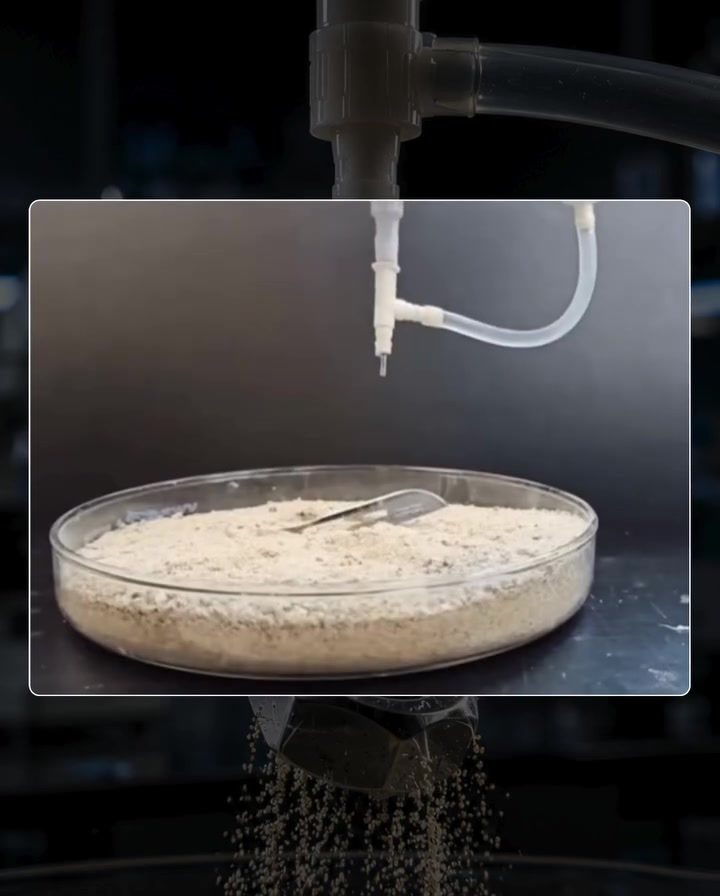
Liquid silk that rapidly hardens into a strong fiber is no longer just a concept from Spider-Man comics. Scientists have turned this superhero-inspired idea into a real technology, creating a device that could revolutionize various industries. Developed by Tufts University’s SilkLab, this innovative system uses silkworm silk fibroin combined with specialized additives to produce a high-strength adhesive fiber.
Context / Why this matters
The development of this liquid silk technology is groundbreaking for several reasons. Not only does it demonstrate the potential of bio-inspired materials, but it also opens up new avenues for robotics, manufacturing, medicine, and search and rescue operations. By mimicking the properties of spider silk, researchers have created a material that can lift objects more than 80 times its own weight. This strength and versatility make it an ideal candidate for future applications in various fields.
Main discussion
The Science Behind Liquid Silk
The core of this technology lies in silkworm silk fibroin, a protein derived from silkworms. When combined with specialized additives, this fibroin can be transformed into a liquid form. This liquid silk is then dispensed onto a surface, such as a petri dish, where it rapidly hardens into a strong, adhesive fiber. The addition of chemicals is key to achieving the desired properties. The process involves carefully controlled conditions, such as temperature and humidity, to ensure the liquid silk sets correctly. This precise control allows for the creation of fibers with specific characteristics, making it suitable for a wide range of applications.
Applications in Robotics
One of the most exciting areas for this technology is robotics. The high-strength, adhesive properties of the liquid silk fibers make them ideal for creating advanced robotic components. For example, these fibers could be used to develop stronger, more durable joints and linkages in robotic systems. This would enhance the robustness and longevity of robotic mechanisms, making them more reliable for tasks that require precision and endurance.
Additionally, the adhesive nature of the silk fibers could be utilized to create robotic grippers that can handle delicate or irregularly shaped objects with ease. This would be particularly useful in manufacturing and assembly processes where precise handling is crucial. The ability to lift objects more than 80 times its own weight also opens up possibilities for heavy-duty robotic applications, such as construction and rescue operations.
Medical Advancements
In the medical field, the potential of liquid silk is equally impressive. The strong, adhesive fibers could be used to develop new types of sutures and bandages that provide superior wound closure and support. These silk-based materials could be used for various medical applications, from surgical repairs to tissue engineering. The biocompatibility of silk fibroin makes it an excellent candidate for medical implants and tissue scaffolds, as it is less likely to cause adverse reactions in the body.
Moreover, the adhesive properties of the liquid silk fibers could be leveraged to create advanced wound dressings that promote faster healing and reduce the risk of infection. The fibers could be shaped and placed precisely, ensuring that they conform to the contours of the wound for optimal healing. This could be particularly beneficial for patients with complex or hard-to-heal wounds.
Innovations in Manufacturing
The manufacturing sector could also benefit significantly from the advancements in liquid silk technology. The high-strength fibers could be used to create lightweight, durable materials for various applications, from aerospace to automotive industries. The ability to lift heavy objects with ease makes it an ideal material for reinforcing structures and enhancing their strength without adding excessive weight.
Furthermore, the adhesive properties of the silk fibers could be utilized to develop new bonding and sealing materials. These could be used in a variety of manufacturing processes, from assembly to packaging, to ensure strong, reliable bonds that can withstand various environmental conditions. The versatility of the liquid silk technology makes it a valuable addition to the manufacturing toolkit, allowing for the creation of innovative, high-performance materials.
Search and Rescue Operations
In search and rescue operations, the strong, adhesive properties of the liquid silk fibers could be used to create emergency repair materials. For example, the fibers could be utilized to quickly and effectively repair damaged structures, such as bridges or buildings, during emergency situations. The ability to lift heavy objects and provide strong, durable support makes it an ideal material for stabilizing and reinforcing damaged structures.
Additionally, the adhesive nature of the silk fibers could be used to create temporary shelters and barriers, providing protection and support for rescue teams and affected individuals. The versatility of the liquid silk technology makes it a valuable tool for search and rescue operations, allowing for rapid, effective interventions in emergency situations.
Practical tips
When working with liquid silk technology, it is essential to follow specific guidelines to ensure the best results. Here are some practical tips for handling and utilizing this innovative material:
-
Controlled Conditions: Maintain the correct temperature and humidity levels during the dispensing and hardening process. This ensures that the liquid silk sets properly and achieves the desired properties.
-
Precise Application: Use precise application techniques to dispense the liquid silk onto the desired surface. This ensures even distribution and optimal performance of the hardened fibers.
-
Careful Handling: Handle the liquid silk with care to avoid contamination or contamination. Use clean, sterile equipment and follow strict protocols to maintain the integrity of the material.
-
Safety Measures: Wear appropriate protective gear, such as gloves and goggles, when handling the liquid silk. The material may contain additives and chemicals that could be irritating or harmful if not handled correctly.
-
Quality Control: Regularly inspect the quality and performance of the liquid silk fibers. Ensure that they meet the necessary standards for strength, durability, and adhesion.
Important takeaways
- Liquid silk technology, inspired by Spider-Man, is a groundbreaking development in materials science.
- This technology uses silkworm silk fibroin combined with specialized additives to create high-strength, adhesive fibers.
- The applications of liquid silk fibers are vast, ranging from robotics and manufacturing to medicine and search and rescue operations.
- The high-strength, adhesive properties of the fibers make them ideal for creating durable, reliable materials for various industries.
- Following precise handling and application techniques is crucial for achieving the best results with liquid silk technology.
Conclusion
The development of liquid silk technology marks a significant milestone in the field of materials science. Inspired by the incredible properties of spider silk, scientists have created a material that can lift objects more than 80 times its own weight. This innovation has the potential to revolutionize various industries, from robotics and manufacturing to medicine and search and rescue operations.
By harnessing the power of bio-inspired materials, researchers have opened up new possibilities for engineering solutions that were once confined to the realm of science fiction. As the technology continues to evolve, we can expect to see even more innovative applications of liquid silk, bringing us one step closer to a future where science fiction becomes reality.
Questions readers ask
How does liquid silk technology work?
Liquid silk technology involves using silkworm silk fibroin mixed with specialized additives. The mixture is then used to create a strong, adhesive fiber that can harden rapidly. This process enables the production of high-strength materials inspired by the properties of spider silk.
What makes liquid silk technology suitable for robotics?
The unique properties of liquid silk, such as its strength and ability to adhere to surfaces, make it ideal for robotics. It can be used to create flexible joints, robust structures, and even temporary adhesives for gripping and manipulating objects, enhancing the functionality and versatility of robotic systems.
How can this technology benefit the field of medicine?
In medicine, liquid silk can be used for wound closure, tissue engineering, and even as a scaffold for growing new tissues. Its biocompatibility and strength make it a promising material for developing advanced medical devices and treatments, potentially improving patient outcomes and recovery times.
What are the potential applications in search and rescue operations?
The adhesive and strong nature of liquid silk fibers can be utilized in search and rescue operations for creating temporary structures, securing equipment, or even stabilizing injured individuals. Its rapid hardening property allows for quick deployment in emergency situations, making it a valuable tool for first responders.
How does this technology compare to traditional adhesives and materials?
Unlike traditional adhesives and materials, liquid silk offers a combination of strength, flexibility, and biocompatibility that is rare in synthetic counterparts. Additionally, its ability to harden rapidly and adhere to various surfaces makes it a versatile and effective material for a wide range of applications, from robotics to medicine.
Can liquid silk technology be used in manufacturing processes?
Yes, liquid silk technology can be integrated into manufacturing processes to create strong, flexible components. Its ability to adhere to different surfaces and its rapid hardening property can improve assembly techniques, enhance product durability, and potentially reduce the need for additional bonding materials.
Related deep dives
Similar reads based on topic and creator.




Recent articles
Fresh deep dives from the latest Reels we unpacked.




Comments
Be the first to comment.