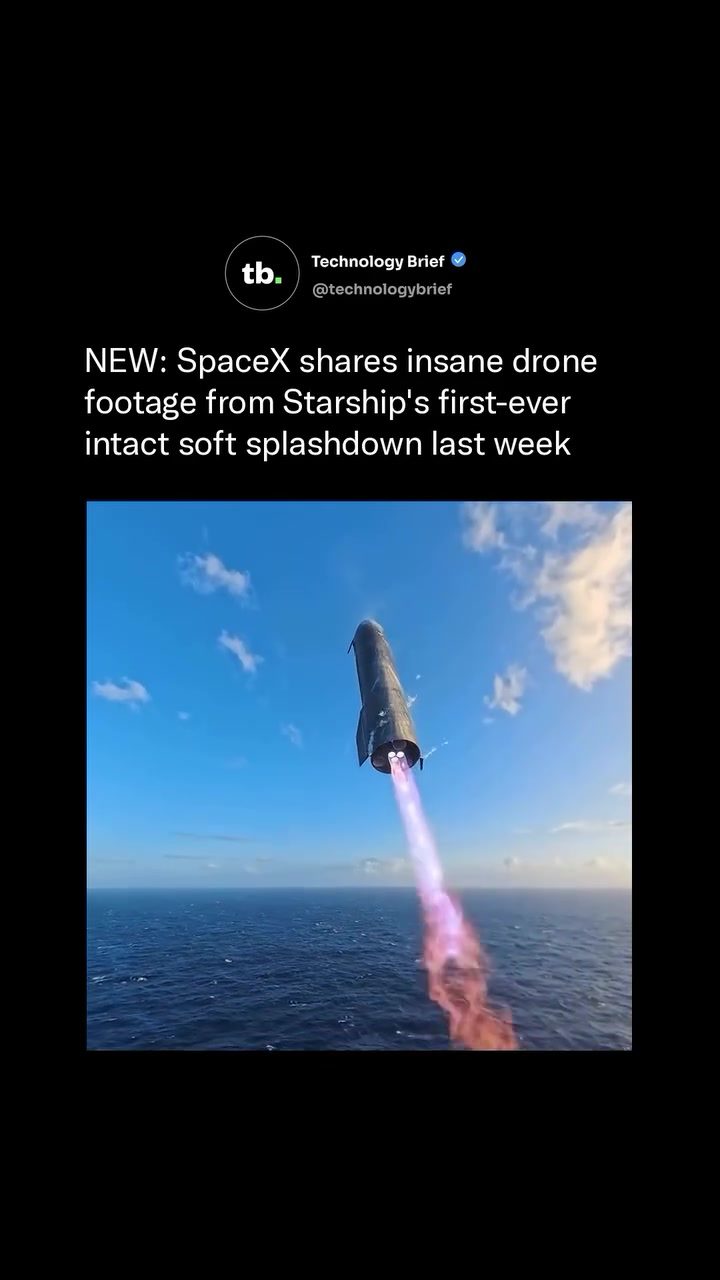
Starship Splashdown
On July 24, 2026, SpaceX achieved a historic milestone with the 13th integrated flight test of Starship from Starbase, Texas. For the first time, the upper stage of the rocket executed a controlled soft splashdown in the Indian Ocean, remaining intact and floating. This event, described as a "dream scenario" by SpaceX spokesperson Dan Huot, marked a significant advancement in Starship's development.
Why this matters
The successful splashdown of Starship is a pivotal moment in space exploration. Previous attempts to land Starship have resulted in the vehicle exploding on contact with water, or breaking apart mid-air. This accomplishment provides valuable data on heat shield performance and vehicle durability, which are critical for future missions. The splashdown also demonstrates the reliability of Starship's functionality, including its ability to execute critical maneuvers and transmit data during descent.
Main discussion
The Flight and Splashdown
Starship's 13th integrated flight test was a departure from previous attempts. The rocket executed a flawless flip maneuver, relighting its engines to slow its descent, and settling gently upright into the ocean. Unlike prior flights, the vehicle remained intact, providing engineers with a treasure trove of data. This data is invaluable for understanding how the heat shield performs under real-world conditions and assessing the vehicle's overall durability.
The Deployment of Starlink V3 Satellites
This mission was also notable for deploying 20 next-generation Starlink V3 satellites. This was the first time SpaceX launched operational next-gen Starlink hardware from Starship. The successful deployment and controlled landing of the rocket underscore the potential of Starship to serve as a versatile launch platform for Starlink and other payloads.
Engineering Insights
The controlled splashdown offers engineers a wealth of new information. The heat shield's performance during re-entry is a crucial factor in the success of future missions. Data from the onboard cameras and telemetry systems will provide detailed insights into how the vehicle behaves under extreme conditions. This information will be essential for refining the design and improving the reliability of future Starship missions.
Implications for Future Missions
The success of this splashdown paves the way for more ambitious missions. With the data from this flight, engineers can work on refining the landing process to achieve a full return landing back at the launch site. This would eliminate the need for splashdowns and make Starship more reusable, reducing costs and increasing efficiency. Future missions could also benefit from the lessons learned about heat shield performance and vehicle durability, ensuring safer and more reliable space travel.
Practical tips
While the technical details of the splashdown are complex, there are a few key takeaways for anyone interested in space exploration:
- Understanding Heat Shields: Heat shields are crucial for protecting spacecraft during re-entry. Understanding their performance under various conditions can help improve future designs.
- Engineering Durability: The durability of the vehicle is essential for its reusability. Data from this mission will help engineers identify areas for improvement.
- Data Collection: The more data engineers have, the better they can refine and improve the spacecraft. This mission provided a rich dataset that will be invaluable for future developments.
- Future Innovations: The lessons learned from this mission will inform future innovations, making space travel more reliable and cost-effective.
Important takeaways
The successful splashdown of Starship represents a major step forward in space exploration. The controlled descent and intact landing provide engineers with critical data on heat shield performance and vehicle durability. The deployment of next-generation Starlink satellites from Starship also demonstrates the vehicle's potential as a launch platform. As SpaceX continues to refine its technology, the lessons from this mission will be crucial for achieving more ambitious goals in space.
Conclusion
The 13th integrated flight test of Starship is a significant achievement for SpaceX. The controlled splashdown and deployment of Starlink V3 satellites highlight the vehicle's capabilities and provide valuable data for future missions. As engineers continue to analyze the data, the lessons learned will inform the development of more reliable and efficient spacecraft, paving the way for the next generation of space exploration.
Questions readers ask
What makes the July 24, 2026, Starship launch significant?
This launch was significant because it marked the first time SpaceX achieved an intact splashdown of the Starship rocket in the Indian Ocean. This success provides important insights into the vehicle's durability and heat shield performance, which are essential for future missions.
How many Starlink V3 satellites were deployed during this mission?
During this mission, SpaceX deployed 20 Starlink V3 satellites. This deployment is a key part of expanding global internet connectivity.
What challenges has SpaceX faced with previous Starship landings?
Previous attempts to land Starship have encountered issues such as the vehicle exploding on contact with water or breaking apart mid-air. The successful splashdown on July 24, 2026, overcame these challenges, providing crucial data for future launches.
Why is the intact splashdown in the Indian Ocean important for SpaceX's future missions?
The intact splashdown in the Indian Ocean is important because it demonstrates the vehicle's ability to survive re-entry and landing, which is vital for reusable rockets. This success provides valuable information on the heat shield's performance and the vehicle's overall durability, helping to refine future designs and missions.
What data did SpaceX gather from the July 24, 2026, Starship splashdown?
The splashdown provided SpaceX with crucial data on the Starship's heat shield performance and overall durability. This information is essential for improving the design and ensuring the success of future missions. The success of this splashdown is a major step forward for SpaceX's reusable rocket program.
What is the significance of the soft landing in the Indian Ocean for SpaceX?
The soft landing in the Indian Ocean is significant because it marks a major milestone in SpaceX's journey toward creating a fully reusable rocket. The success of this landing provides key information that will aid in developing more reliable and robust spacecraft for future missions.
Will SpaceX provide live footage of future Starship launches and landings?
SpaceX has a history of providing live coverage of its launches and landings. For the most up-to-date information on whether live footage will be available for future Starship missions, check SpaceX's official channels or announcements closer to the launch date. This allows viewers to follow the mission in real-time, offering a unique perspective on the advancements and challenges faced during these missions.
Related deep dives
Similar reads based on topic and creator.




Recent articles
Fresh deep dives from the latest Reels we unpacked.




Comments
Be the first to comment.