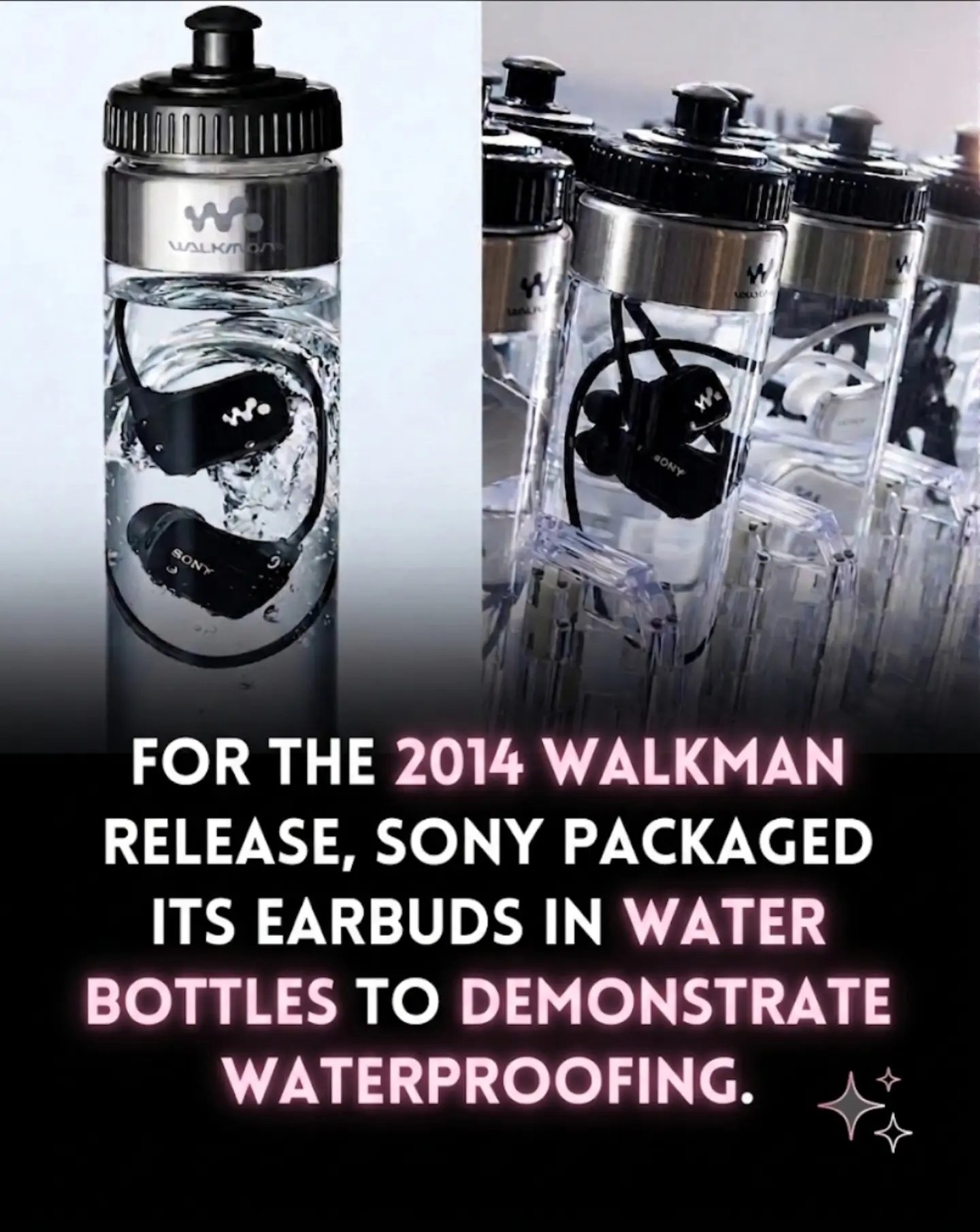
The "Bottled Walkman" Marketing Campaign
In February 2014, Sony launched an innovative marketing campaign to promote its waterproof W Series MP3 player. The campaign, known as the "Bottled Walkman" initiative, was designed to address consumer skepticism about the durability of waterproof electronics. This campaign utilized an experiential marketing strategy that seamlessly connected the product demonstration with targeted consumer acquisition.
Context
The Skepticism of Waterproof Electronics
The electronic industry has long struggled with consumer skepticism regarding the durability of waterproof claims. Many consumers are wary of purchasing waterproof electronics, fearing that the devices will fail to live up to their promises. This skepticism can significantly impact sales and consumer trust. Sony recognized this challenge and sought to address it head-on with a unique marketing approach.
The "Bottled Walkman" Concept
The "Bottled Walkman" campaign was developed by the advertising agency DraftFCB in Auckland, New Zealand. The core idea was to provide unambiguous, immediate proof of the W Series MP3 player's waterproof capabilities. Instead of relying on traditional retail electronics stores, Sony packaged the fully submerged MP3 players inside actual water bottles. These bottles were then distributed through vending machines located in health clubs, gyms, and public pools.
Main Discussion
Targeting the Right Audience
The choice of locations for the vending machines was strategic. By placing them in health clubs, gyms, and public pools, Sony targeted its core audience—swimmers and fitness enthusiasts. These individuals are more likely to benefit from waterproof MP3 players, making the targeted marketing strategy both effective and efficient. The distribution method ensured that the product demonstration was aligned with the consumer's environment, making the message more impactful.
The Marketing Strategy
The "Bottled Walkman" campaign leveraged the concept of experiential marketing, which focuses on creating immersive and interactive experiences for consumers. By packaging the MP3 players in water bottles, Sony provided a hands-on demonstration of the product's durability. This approach allowed consumers to see the waterproof feature in action, reinforcing the product's claims in a tangible and believable way.
The Unboxing Experience
The unboxing experience was particularly innovative. Consumers could see the MP3 players fully submerged in water, providing immediate proof of their waterproof capabilities. This visual demonstration was a powerful marketing tool, as it addressed the skepticism head-on and provided a clear, compelling argument for the product's durability.
Engaging the Consumer
The campaign's experiential nature engaged the consumer directly. Instead of relying on traditional advertising methods, Sony allowed consumers to interact with the product in real-time. This hands-on approach made the marketing message more memorable and impactful, as consumers could see the product's capabilities firsthand.
Practical Tips
Leveraging Experiential Marketing
Experiential marketing can be a powerful tool for demonstrating product capabilities. By creating immersive and interactive experiences, brands can engage consumers directly and provide tangible proof of their products' features. This approach can help build consumer trust and reinforce product claims.
Targeting the Right Audience
Understanding your target audience is crucial for effective marketing. By identifying the core demographic that is most likely to benefit from your product, you can tailor your marketing strategy to meet their needs and preferences. This targeted approach can help maximize the impact of your marketing efforts and drive consumer acquisition.
Providing Tangible Proof
Consumers are more likely to trust products that offer tangible proof of their claims. By providing hands-on demonstrations and visual evidence, you can address consumer skepticism and build trust in your product. This approach can help reinforce your product's features and differentiate it from competitors.
Important Takeaways
The "Bottled Walkman" campaign highlights the power of experiential marketing and the importance of addressing consumer skepticism. By providing tangible proof of the product's capabilities and targeting the right audience, Sony successfully bridged the gap between product demonstration and consumer acquisition. This innovative approach not only reinforced the product's waterproof claims but also engaged consumers in a memorable and impactful way.
Conclusion
The "Bottled Walkman" campaign serves as a testament to the effectiveness of experiential marketing. By packaging the MP3 players in water bottles and distributing them in targeted locations, Sony provided immediate proof of the product's durability and addressed consumer skepticism head-on. This innovative approach demonstrates the power of hands-on demonstrations and targeted marketing in building consumer trust and driving product acquisition.
Questions readers ask
What was the primary goal of Sony's 'Bottled Walkman' campaign?
The primary goal was to address consumer doubts about the durability of waterproof electronics. By showing that the MP3 players could function after being submerged in water, Sony aimed to build trust and encourage purchases among sceptical consumers.
Who was the target audience for Sony’s waterproof earbud campaign in 2014?
The target audience for Sony’s 2014 campaign was fitness enthusiasts, particularly those who frequented gyms and pools. By demonstrating the product's durability in real-world settings, Sony aimed to appeal to users who needed reliable waterproof electronics during their workouts.
How did Sony’s 'Bottled Walkman' campaign demonstrate the durability of their waterproof MP3 players?
Sony distributed MP3 players that had been fully submerged in water bottles. This hands-on demonstration allowed potential customers to see firsthand that the devices could withstand water exposure, making the claim of waterproofing more tangible and convincing.
Where were the waterproof earbuds primarily promoted during the 2014 campaign?
The waterproof earbuds were primarily promoted at gyms and pools, locations where fitness enthusiasts are likely to be. This targeted approach allowed Sony to reach potential customers in environments where the benefits of waterproof electronics would be immediately apparent.
How did Sony's campaign address the skepticism surrounding waterproof electronics?
Sony addressed skepticism by providing a real-world demonstration. By distributing submerged MP3 players in water bottles, they showed that their products could withstand water exposure, making the waterproof claim more credible and relatable to consumers.
What was unique about Sony’s experiential marketing strategy for the waterproof earbuds?
Sony’s unique strategy involved directly engaging consumers in gyms and pools by offering a physical demonstration of the product's durability. This hands-on approach allowed consumers to interact with the product in a way that traditional advertising methods could not replicate.
Related deep dives
Similar reads based on topic and creator.




Recent articles
Fresh deep dives from the latest Reels we unpacked.




Comments
Be the first to comment.