Solar-Powered Boats: The Future of Sustainable Seafaring
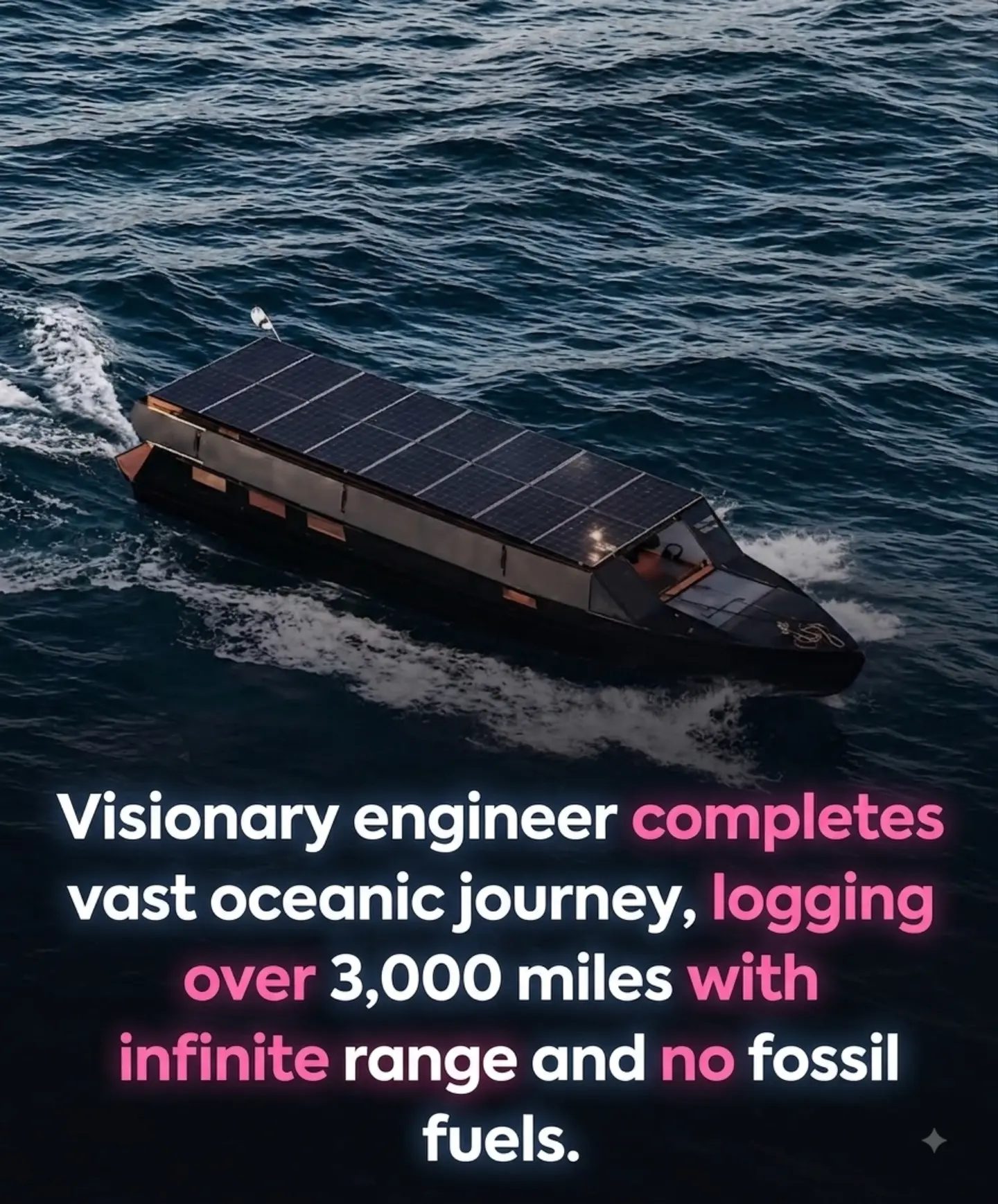
Lukas Sjöman's 11-meter solar yacht, Helios 11, embodies a revolutionary approach to seafaring. By harnessing the power of the sun, this innovative vessel completed a remarkable 3,000-mile journey from Finland to Ibiza, proving that sustainable boating is not just a dream, but a tangible reality.
Context / Why This Matters
Traditional boats and yachts rely heavily on fossil fuels, contributing to environmental degradation. Helios 11 stands out as a beacon of hope, showcasing the potential of solar-powered boats to reduce our carbon footprint. With the increasing awareness of climate change and the need for sustainable energy solutions, innovations like Helios 11 are more relevant than ever.
Main Discussion
The Birth of a Visionary Project
The creation of Helios 11 was a labor of love and dedication. Lukas Sjöman, the visionary engineer behind this project, spent 200 days in a shed building the 11-meter solar yacht. The total cost of the project was a modest $20,000, a fraction of what traditional boats of similar size would cost.
The Journey: From Finland to Ibiza
Helios 11's journey from Finland to Ibiza was a testament to the power of solar energy. The vessel sailed over 3,000 nautical miles, showcasing its infinite range and zero reliance on fossil fuels. This remarkable feat not only pushed the boundaries of solar-powered boating but also demonstrated the practicality and efficiency of solar energy as a viable alternative to conventional fuel sources.
The Technology Behind Helios 11
Helios 11 is powered by an array of solar panels that collect enough sunlight to cruise entirely on solar power during the day. This innovative design ensures that the boat has an infinite range, making long-distance sailing a feasible and environmentally friendly option. The panels are strategically placed to maximize sunlight exposure, ensuring optimal performance even in varying weather conditions.
The Environmental Impact
One of the most significant advantages of solar-powered boats is their minimal environmental impact. By eliminating the need for fossil fuels, Helios 11 reduces greenhouse gas emissions and contributes to a cleaner, greener planet. This is a significant step forward in the quest for sustainable seafaring, offering a viable alternative to traditional boating methods.
Challenges and Solutions
While the concept of solar-powered boats is promising, it is not without its challenges. One of the main obstacles is the initial cost of setting up the solar panels and other necessary equipment. However, projects like Helios 11 demonstrate that with careful planning and innovative design, the costs can be managed. Additionally, the long-term savings on fuel and the environmental benefits make it a worthwhile investment.
Practical Tips
Designing a Solar-Powered Boat
For those interested in building their own solar-powered boat, there are several key considerations to keep in mind.
-
Solar Panel Placement: Optimize the placement of solar panels to maximize sunlight exposure. This ensures that the boat can generate enough power to meet its energy needs.
-
Battery Storage: Invest in high-quality batteries to store excess energy generated during the day. This will ensure that the boat can operate even during periods of low sunlight.
-
Efficient Propulsion: Choose an efficient propulsion system that can make the most of the available solar energy. Propellers with low drag and efficient electric motors are ideal for this purpose.
-
Weather Considerations: Design the boat to handle varying weather conditions, including cloudy days and strong winds. This ensures that the boat can operate safely and efficiently in different environments.
Maintenance and Upkeep
Regular maintenance is crucial for the longevity and performance of a solar-powered boat. Key maintenance tips include:
-
Cleaning Solar Panels: Regularly clean the solar panels to remove any dirt or debris that could reduce their efficiency. This ensures that the panels can continue to generate maximum power.
-
Battery Care: Check the battery system regularly to ensure it is in good condition. Replace any faulty batteries to maintain the boat's performance.
-
Propeller Maintenance: Inspect the propeller and other mechanical components to ensure they are in good working order. This prevents any unexpected breakdowns and ensures smooth sailing.
-
Weatherproofing: Regularly inspect the boat for any signs of wear and tear, especially in areas exposed to water and weather elements. Proper weatherproofing ensures that the boat remains in good condition for longer.
Important Takeaways
-
Sustainable Seafaring: Solar-powered boats like Helios 11 offer a sustainable alternative to traditional fuel-powered vessels. They reduce greenhouse gas emissions and contribute to a cleaner environment.
-
Cost-Effective: While the initial investment for a solar-powered boat might seem high, the long-term savings on fuel and the environmental benefits make it a cost-effective solution.
-
Feasibility: The successful journey of Helios 11 from Finland to Ibiza demonstrates the feasibility and practicality of solar-powered boats for long-distance sailing.
-
Innovative Technology: The use of solar panels and efficient propulsion systems makes solar-powered boats a viable option for eco-friendly seafaring.
Conclusion
The journey of Helios 11, from its inception in a shed to its remarkable voyage across the ocean, is a testament to the power of innovation and sustainability. This solar-powered yacht not only proves that long-distance sailing is possible without relying on fossil fuels but also paves the way for a greener, more sustainable future in boating. As more people embrace the idea of trading fuel docks for sun rays, the future of seafaring looks brighter and more environmentally friendly.
Questions readers ask
What makes the Helios 11 unique among other boats?
The Helios 11 is unique because it is powered solely by solar energy, unlike traditional boats that rely on fossil fuels. This 11-meter solar yacht completed a 3,000-mile journey from Finland to Ibiza, demonstrating the feasibility of sustainable seafaring.
How does the Helios 11 contribute to reducing our carbon footprint?
By using solar power instead of fossil fuels, the Helios 11 significantly reduces greenhouse gas emissions. This makes it an eco-friendly alternative to conventional boats, helping to mitigate environmental degradation.
What is the significance of the 3,000-mile journey completed by the Helios 11?
The 3,000-mile journey from Finland to Ibiza proves that solar-powered boats can undertake long-distance voyages without relying on fossil fuels. This achievement sets new standards for sustainable seafaring and inspires further innovation in solar boat technology.
How does the Helios 11 challenge traditional boating rules?
The Helios 11 challenges traditional boating rules by proving that solar power can be a viable alternative to fossil fuels. This innovative vessel demonstrates that boats can operate efficiently and sustainably, paving the way for a future where eco-friendly seafaring is the norm.
What role do solar panels play in the design of the Helios 11?
Solar panels are integral to the design of the Helios 11, as they harness the sun's energy to power the yacht. The efficient use of solar panels allows the Helios 11 to operate with zero fuel consumption, making it a true example of an infinite range yacht.
What are the benefits of using solar power in boating?
Using solar power in boating reduces dependence on fossil fuels, lowers operating costs, and minimizes environmental impact. Solar-powered boats like the Helios 11 offer a sustainable and eco-friendly option for seafaring, aligning with global efforts to reduce carbon emissions.
Related deep dives
Similar reads based on topic and creator.




Recent articles
Fresh deep dives from the latest Reels we unpacked.




Comments
Be the first to comment.