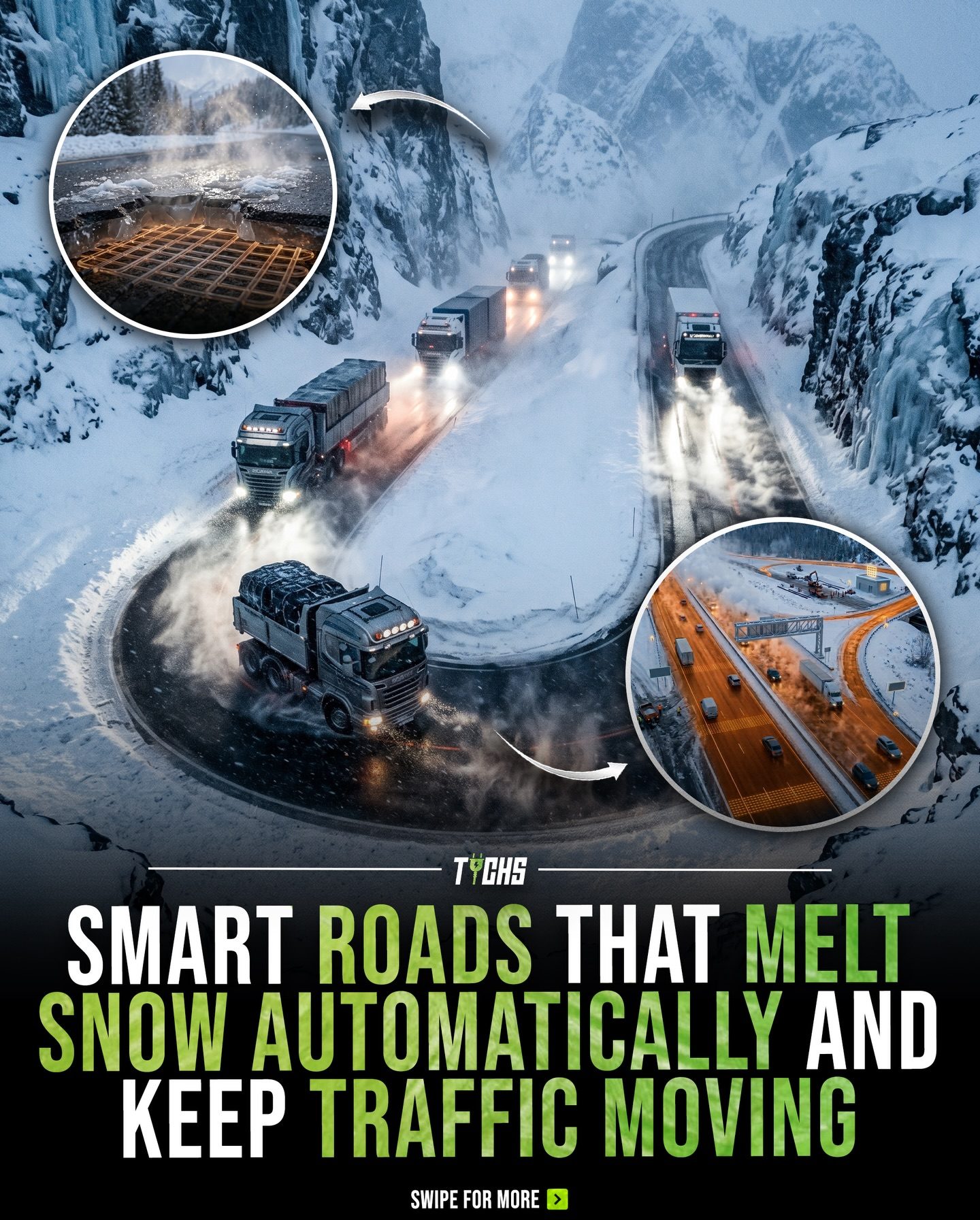
Smart Roads: The Future of Winter Infrastructure
Smart roads are revolutionizing how we manage winter conditions. These innovative roads automatically melt snow and ice, ensuring smooth traffic flow even in the harshest weather. By embedding heating systems beneath the surface, these roads eliminate the need for plows and salt, significantly improving safety and reducing maintenance costs.
Why This Matters
Winter weather can bring challenges such as road closures, accidents, and delays. Traditional methods like plowing and salting are labor-intensive and can be harmful to the environment. This is where smart roads come in, offering a more efficient and sustainable solution.
Main Discussion
How Smart Roads Work
Smart roads use two primary technologies to melt snow and ice: electric heating cables and hydronic systems.
- Electric Heating Cables: These cables are embedded beneath the road surface and generate heat to melt snow and ice. They are particularly effective in areas with extreme cold and heavy snowfall.
- Hydronic Systems: These systems circulate hot water through pipes beneath the road. The hot water maintains a consistent temperature, preventing snow and ice buildup.
Global Implementation
Countries around the world are adopting these systems to enhance their winter infrastructure. Notable examples include:
- Japan: Known for its heavy snowfall, Japan has implemented smart roads in critical areas like airports, bridges, and highways.
- Norway: With its long, cold winters, Norway has also embraced this technology to keep traffic moving smoothly.
- United States: The U.S. has seen the benefits of smart roads in states with harsh winter conditions, particularly in the Northeast and Midwest.
Benefits of Smart Roads
Smart roads offer numerous advantages:
- Improved Safety: Reducing snow and ice buildup lowers the risk of accidents.
- Environmental Benefits: Eliminating the need for plows and salt reduces fuel consumption and environmental pollution.
- Cost Savings: Long-term savings from reduced maintenance and fewer accidents outweigh the high initial installation costs.
- Uninterrupted Transportation: Ensures that critical infrastructure remains operational, even during severe weather.
Practical Tips
For Local Governments and Infrastructure Agencies
- Identify High-Risk Areas: Prioritize the installation of smart roads in areas with high traffic and severe winter conditions, such as airports, bridges, and highways.
- Choose the Right Technology: Consider the local climate and infrastructure needs when selecting between electric heating cables and hydronic systems. For instance, electric heating cables might be more suitable for urban areas, while hydronic systems could be better for more remote or extensive road networks.
- Plan for Long-Term Savings: Be prepared for the high initial investment, but recognize the long-term benefits in terms of reduced maintenance and fewer accidents.
For Drivers
- Stay Informed: Be aware of smart road implementations in your area and adjust your driving habits accordingly.
- Prepare for Emergencies: Even with smart roads, winter driving can be challenging. Always carry an emergency kit and stay updated on weather conditions.
Important Takeaways
- Smart roads are a game-changer for winter infrastructure, offering improved safety, environmental benefits, and long-term cost savings.
- Both electric heating cables and hydronic systems are effective technologies for melted snow and ice.
- Global adoption, particularly in countries with harsh winter conditions, underscores the viability and benefits of these innovative roads.
- The initial investment in smart roads is high, but the long-term savings and benefits are substantial.
- Smart roads are most effective when implemented in high-risk areas, ensuring uninterrupted transportation and improved safety.
Conclusion
Smart roads represent a significant advancement in winter infrastructure, providing a sustainable and efficient solution to the challenges posed by snow and ice. By automatically melting these elements, smart roads ensure smooth traffic flow, reduce hazards, and offer long-term savings. As more countries adopt this technology, we can expect to see a safer, more reliable transportation system, even in the harshest winter conditions.
Questions readers ask
How do smart roads automatically melt snow and ice?
Smart roads use embedded heating systems, such as electric or hydronic (water-based) systems, to melt snow and ice. These systems are activated by sensors that detect precipitation, temperature, or the presence of ice, ensuring timely and efficient snow and ice removal.
What are the benefits of smart roads over traditional snow removal methods?
Smart roads offer several benefits. They improve traffic safety by reducing the risk of accidents caused by slippery roads. They also lower maintenance costs by eliminating the need for plows and salt, and they are more environmentally friendly, as they reduce the use of de-icing chemicals that can harm local ecosystems.
Which countries are currently using smart road technology?
Smart road technology is already being utilized in several countries. Japan, Norway and the United States are among the leading countries that have implemented these systems to improve their winter infrastructure and enhance safety during harsh weather conditions.
How do smart roads contribute to traffic flow in winter?
Smart roads ensure smooth traffic flow by automatically melting snow and ice, preventing the buildup of hazards on the road. This means fewer delays, reduced risk of accidents, and better overall traffic management, keeping drivers safe and journeys more reliable in winter.
What types of heating systems are used in smart roads?
The two main types of heating systems used in smart roads are electric and hydronic. Electric systems use resistive heating elements, while hydronic systems circulate heated fluid through pipes embedded in the road surface. Both methods are effective in melting snow and ice, but the choice between them often depends on factors such as cost, energy efficiency, and local climate.
Are smart roads more cost-effective in the long run?
Yes, smart roads can be more cost-effective in the long run. While the initial installation costs may be higher than traditional roads, the reduced need for ongoing maintenance, such as plowing and salting, and the lower risk of accidents, can lead to significant savings over time. This makes them a more sustainable and economical choice for winter road management.
How do smart roads impact the environment?
Smart roads have a positive environmental impact by reducing the use of de-icing chemicals and lowering the need for fuel-consuming plows. They also help minimize road damage caused by traditional snow removal methods, which can lead to longer road lifespans and less frequent construction or repair activities, further reducing their environmental footprint.
Related deep dives
Similar reads based on topic and creator.




Recent articles
Fresh deep dives from the latest Reels we unpacked.




Comments
Be the first to comment.