Getting to Sleep Before 11:00 PM: Hormonal Balance and Overall Well-being
Sleep may seem like a simple act, but its impact on our bodies is profound. Getting to sleep before 11:00 PM can do more than just help you feel refreshed; it can support your body’s natural hormonal balance and overall well-being. This is particularly important for women, as quality sleep plays a crucial role in regulating hormones that affect energy, mood, metabolism, and reproductive health.
Why Early Sleep Matters
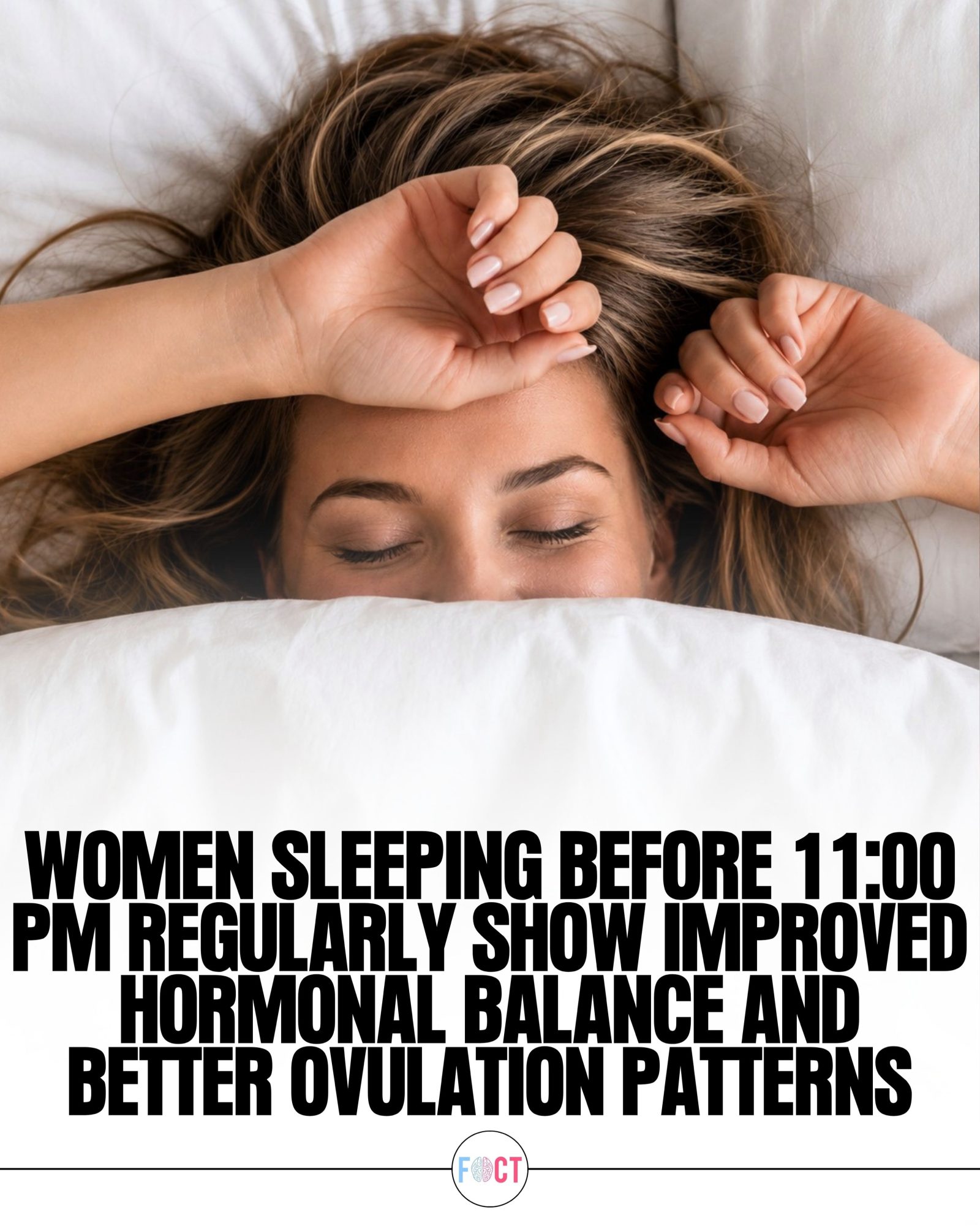
Hormonal balance is essential for overall health, and sleep is a key factor in maintaining this balance. For women, sleeping before 11:00 PM regularly can lead to improved hormonal balance and better ovulation patterns. This is supported by research and observations, which highlight the benefits of a consistent sleep schedule. Here are some of the key advantages:
- Better Hormonal Regulation: Sleep helps regulate hormones that affect various bodily functions. For women, this includes hormones like estrogen and progesterone, which are crucial for reproductive health.
- Improved Reproductive Health: Quality sleep can lead to better ovulation patterns, which is essential for fertility and overall reproductive health.
- Increased Energy and Focus: Adequate sleep ensures that your body and mind are well-rested, leading to higher energy levels and improved focus throughout the day.
- Lower Stress Levels: Sleep is also crucial for reducing stress levels. When you are well-rested, your body produces fewer stress hormones, which can lead to a more balanced mood and overall well-being.
For women, these benefits are particularly significant. Sleeping before 11:00 PM can help maintain a healthy menstrual cycle and reduce the risk of hormonal imbalances.
The Science Behind Early Sleep
Quality sleep has a profound impact on hormones that regulate mood, metabolism, and reproductive health. Melatonin, a hormone that regulates sleep-wake cycles, is particularly affected by sleep patterns. When you sleep before 11:00 PM, you align your sleep cycle with your body's natural rhythms, which can enhance the production and effectiveness of melatonin. This, in turn, supports hormonal balance and overall well-being.
Key Hormones Affected by Sleep
Several key hormones are directly affected by sleep, including:
- Cortisol: Known as the stress hormone, cortisol levels peak in the morning and gradually decrease throughout the day. Adequate sleep helps regulate cortisol levels, reducing stress and promoting a balanced mood.
- Growth Hormone: This hormone is essential for tissue repair, growth, and metabolism. The majority of growth hormone is released during sleep, making deep sleep crucial for maintaining optimal health.
- Ghrelin and Leptin: These hormones regulate appetite and metabolism. Ghrelin stimulates hunger, while leptin signals satiety. Sleep deprivation can disrupt the balance of these hormones, leading to overeating and weight gain. By sleeping before 11:00 PM, you help maintain a healthy balance of these hormones, supporting better metabolism and weight management.
Practical Tips for Better Sleep
Maintaining a consistent sleep schedule is essential for reaping the benefits of early sleep. Here are some practical tips to help you get to bed on time and improve your sleep quality:
- Establish a Regular Bedtime: Consistency is key. Go to bed and wake up at the same time every day, even on weekends. This helps regulate your body's internal clock and promotes better sleep.
- Create a Relaxing Nighttime Routine: Engage in calming activities before bed, such as reading, taking a warm bath, or practicing relaxation techniques like deep breathing or meditation. Avoid screens, as the blue light emitted by devices can interfere with melatonin production.
- Optimize Your Sleep Environment: Make your bedroom a sanctuary for sleep. Keep it cool, dark, and quiet. Invest in a comfortable mattress and pillows, and consider using blackout curtains or a white noise machine to block out distractions.
- Avoid Stimulants Before Bed: Caffeine, nicotine, and alcohol can disrupt sleep. Avoid consuming these substances close to bedtime. Additionally, try to avoid heavy meals and intense physical activity within a few hours of sleep, as these can also interfere with your ability to fall asleep.
Important Takeaways
- Early Sleep: Sleeping before 11:00 PM can significantly improve hormonal balance, particularly for women. This can lead to better reproductive health, increased energy, and lower stress levels.
- Consistency: Maintaining a regular bedtime is crucial for overall well-being. By going to bed at the same time every night, you help regulate your body's natural rhythms and promote better hormonal balance.
- Hormonal Regulation: Sleep plays a vital role in regulating hormones that affect energy, mood, metabolism, and reproductive health. Quality sleep ensures that these hormones are produced and function optimally, supporting overall well-being.
- Health Benefits: The benefits of a consistent sleep schedule extend beyond just feeling refreshed. Regular, quality sleep can lead to improved hormonal balance, better reproductive health, increased energy, and lower stress levels.
Conclusion
Getting to sleep before 11:00 PM can have a profound impact on your hormonal balance and overall well-being. By prioritizing a consistent sleep schedule and creating a relaxing nighttime routine, you can support your body's natural hormonal balance, which is essential for energy, mood, metabolism, and reproductive health. Small habits like maintaining a regular bedtime and optimizing your sleep environment can make a meaningful difference in your health and well-being. Embrace the power of early sleep and experience the transformative benefits of quality rest.
Questions readers ask
Why is sleeping before 11:00 PM particularly important for women's health?
Sleeping before 11:00 PM is crucial for women as it supports hormonal balance, which is vital for energy levels, metabolism, and reproductive health. This sleep schedule can enhance mood and lower stress levels, contributing to overall well-being.
What hormones are affected by sleeping before 11:00 PM?
Sleeping before 11:00 PM can positively influence hormones that regulate mood, metabolism, and reproductive health. For women, this includes hormones that support ovulation patterns and overall hormonal balance.
How does sleep before 11:00 PM impact stress levels?
Getting to sleep before 11:00 PM can help lower stress levels by promoting better sleep quality and supporting the body's natural hormone regulation, which can reduce the production of stress hormones like cortisol.
Can sleeping before 11:00 PM improve energy levels in women?
Yes, sleeping before 11:00 PM can significantly improve energy levels in women. This is because adequate sleep before midnight helps regulate hormones that control energy expenditure and metabolism, leading to more restful sleep and better daytime energy.
Does sleeping before 11:00 PM affect women's reproductive health?
Sleeping before 11:00 PM can positively impact women's reproductive health by improving hormonal balance, which is essential for ovulation and overall reproductive function. Regular early sleep can support better menstrual cycles and fertility.
How does sleeping early help women's metabolism?
Sleeping before 11:00 PM supports the body's metabolism by promoting hormonal balance, particularly in the regulation of hunger and satiety hormones. This can help in maintaining a healthy weight and preventing metabolic disorders.
What happens if I don't sleep before 11:00 PM regularly?
If you don't sleep before 11:00 PM regularly, you might experience disrupted hormonal balance, which can lead to issues like mood swings, fatigue, and increased stress levels. This can also negatively impact your metabolism and reproductive health over time.
Recent articles
Fresh deep dives from the latest Reels we unpacked.




Comments
Be the first to comment.