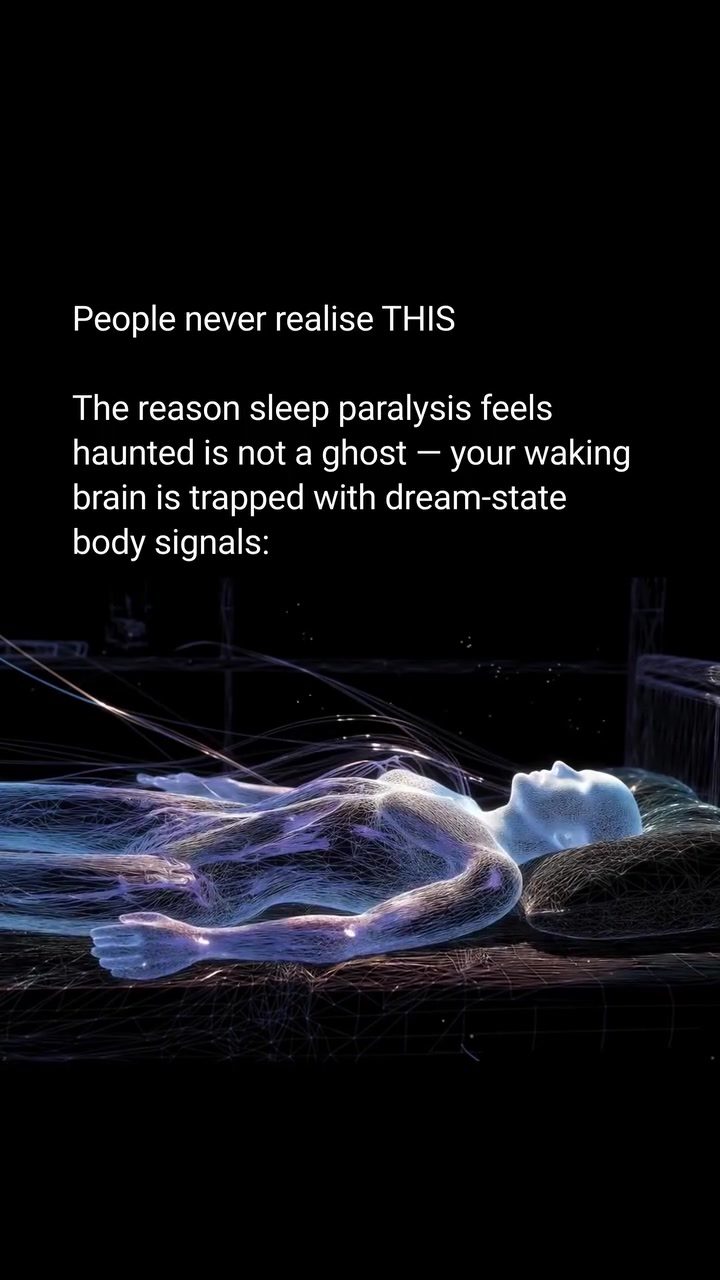
Sleep Paralysis: Why It Feels So Terrifying
Sleep paralysis is a brief period of immobility that occurs when waking up or falling asleep. It's a common experience, yet the sensation of being paralyzed and the accompanying hallucinations can be terrifying. The feeling is often so vivid that people may attribute it to supernatural causes, but the real explanation lies in the complex interplay between the brain and body during sleep.
Why This Matters
Understanding the science behind sleep paralysis can help demystify the experience and alleviate the fear associated with it. By knowing what to expect, you can better navigate these episodes and appreciate the fascinating mechanisms of the brain and body during sleep.
The Science of Sleep Paralysis
The Role of REM Sleep
Sleep paralysis typically occurs during the REM (rapid eye movement) stage of sleep, which is the phase associated with dreaming. During REM sleep, the body is naturally paralyzed to prevent acting out dreams, a state known as muscle atonia. This paralysis is crucial for protecting the sleeper from physical harm that might result from dreaming actions.
The Overlap of Sleep Stages
In some cases, the transition between REM sleep and wakefulness can be disrupted, leading to a state where the brain is awake but the body remains paralyzed. This overlap is what causes sleep paralysis. The brain, now conscious, receives conflicting signals: it is aware but unable to move the body. This mismatch can create a sense of panic and disorientation, often amplified by vivid, sometimes terrifying, hallucinations.
The Brain's Response to Conflicting Signals
The brain is designed to seek coherence and understanding, even in the face of conflicting information. When the body feels frozen or heavy, the brain attempts to reconcile this sensory data. According to a 2017 study by Baland Jalal and V. S. Ramachandran, this can result in the perception of an intruder, pressure, or a sense of being watched. The brain fills in the gaps with explanations, often leading to the feeling of a "presence" in the room. This perception is not indicative of a supernatural event; rather, it is a coping mechanism to handle the mismatch between the brain's awareness and the body's immobility.
The Role of Mirror Neurons
The study by Jalal and Ramachandran also explored the role of mirror neurons in this phenomenon. Mirror neurons are a type of brain cell that activate both when an individual performs an action and when they observe the same action performed by another. In the context of sleep paralysis, these neurons may be involved in the sensation of being watched or observed, further contributing to the feeling of a "presence" in the room.
What Happens During Sleep Paralysis
Sensory Experiences
Sleep paralysis can manifest in various sensory experiences. Common perceptions include:
- Pressure on the Chest: A heavy, crushing sensation on the chest or torso.
- Floating or Out-of-Body Experiences: Feeling as though you are floating above your body or outside it.
- Presence of an Intruder: The sensation of a threatening or malevolent entity in the room.
- Vivid Hallucinations: Seeing, hearing, or feeling things that are not actually present.
Emotional Responses
The emotional response to sleep paralysis is often intense and immediate. Panic, fear, and a sense of helplessness can overwhelm the individual. This is due in large part to the brain's attempt to make sense of the conflicting signals it is receiving. The fear signal, while alarming, is a normal response to the perceived danger.
Practical Tips for Managing Sleep Paralysis
Preventative Measures
While sleep paralysis is a natural occurrence, there are several strategies to reduce the likelihood and severity of episodes:
- Improve Sleep Hygiene: Maintain a consistent sleep schedule, create a relaxing bedtime routine, and ensure your sleep environment is comfortable and conducive to restful sleep.
- Reduce Stress: Stress and anxiety can exacerbate sleep disorders. Practice relaxation techniques such as deep breathing, meditation, or progressive muscle relaxation.
- Avoid Stimulants: Limit caffeine, nicotine, and alcohol, especially close to bedtime, as these substances can disrupt sleep patterns.
Coping Strategies
If you experience sleep paralysis, these techniques can help manage the episode:
- Stay Calm: Remind yourself that the sensations are temporary and not a sign of a supernatural presence.
- Move a Small Muscle: Try to wiggle your toes or fingers, as small movements can sometimes break the paralysis.
- Shift Your Focus: If possible, shift your focus to a different part of your body or to a different sensation, such as the feeling of your breath.
Professional Help
If sleep paralysis is causing significant distress or interfering with daily life, consider consulting a healthcare professional. They can provide additional support and resources, including cognitive behavioral therapy (CBT) or other therapeutic interventions.
Important Takeaways
Sleep paralysis, while frightening, is a natural phenomenon rooted in the complex interplay between the brain and body during sleep. Understanding the underlying mechanisms can help alleviate fear and provide practical steps for managing these episodes. Key points to remember include:
- No Ghosts: The sensation of being haunted is not caused by a supernatural presence but by the brain's attempt to make sense of conflicting signals.
- Brain and Body Disconnect: During sleep paralysis, the brain is awake but the body remains paralyzed, leading to a sense of panic and disorientation.
- Mirror Neurons: These neurons may play a role in the sensation of being watched or observed.
- Improve Sleep: Good sleep hygiene and stress management can reduce the frequency and severity of sleep paralysis.
Conclusion
Sleep paralysis is a common and natural experience that, while frightening, can be better understood and managed. By knowing the science behind it, you can approach these episodes with more clarity and less fear. Maintaining good sleep habits, managing stress, and seeking professional help if needed can all contribute to a more restful and peaceful night's sleep.
Questions readers ask
What triggers sleep paralysis?
Sleep paralysis typically occurs during the transition between sleep stages, particularly when moving in or out of REM (rapid eye movement) sleep. During REM sleep, the brain temporarily paralyzes the body to prevent acting out dreams. If you wake up during this stage, you might briefly experience paralysis while your brain is still in a dreaming state.
Why do people often report hallucinations during sleep paralysis?
Hallucinations during sleep paralysis are thought to be a result of the brain's attempt to make sense of the conflicting signals it receives. As the brain wakes up while the body remains paralyzed, it may generate vivid and often frightening images or sensations. These hallucinations can be attributed to the brain trying to reconcile the disconnect between mental awareness and physical immobility.
How does sleep paralysis contribute to feelings of panic?
The intense panic experienced during sleep paralysis is often a reaction to the sudden realization of being unable to move, coupled with the vivid and often frightening hallucinations. The brain interprets this inability to move as a threat, triggering a fight-or-flight response. This heightened state of alertness and fear can make the experience incredibly terrifying.
Can sleep paralysis be prevented or treated?
While there is no guaranteed method to prevent sleep paralysis, maintaining good sleep hygiene can help reduce the likelihood of episodes. This includes establishing a consistent sleep schedule, creating a relaxing bedtime routine, and ensuring a comfortable sleep environment. If sleep paralysis is frequent and distressing, consulting a healthcare provider can be beneficial. They may recommend techniques such as cognitive-behavioral therapy or medications to manage underlying sleep disorders.
What did V.S. Ramachandran discover about sleep paralysis?
Neuroscientist V.S. Ramachandran has conducted research on sleep paralysis, focusing on the neurological mechanisms behind the experience. His work suggests that the hallucinations and feelings of terror during sleep paralysis are a result of the brain's attempt to reconcile conflicting signals. He has proposed that the brain may generate these vivid experiences as a way to create a coherent narrative during this state of immobility.
Is sleep paralysis linked to any other sleep disorders?
Sleep paralysis can be associated with various sleep disorders, including narcolepsy and obstructive sleep apnea. These conditions can disrupt the normal sleep cycle, increasing the likelihood of experiencing sleep paralysis. Proper diagnosis and treatment of these underlying disorders can often help alleviate symptoms related to sleep paralysis.
Recent articles
Fresh deep dives from the latest Reels we unpacked.




Comments
Be the first to comment.