Sleep and Diet
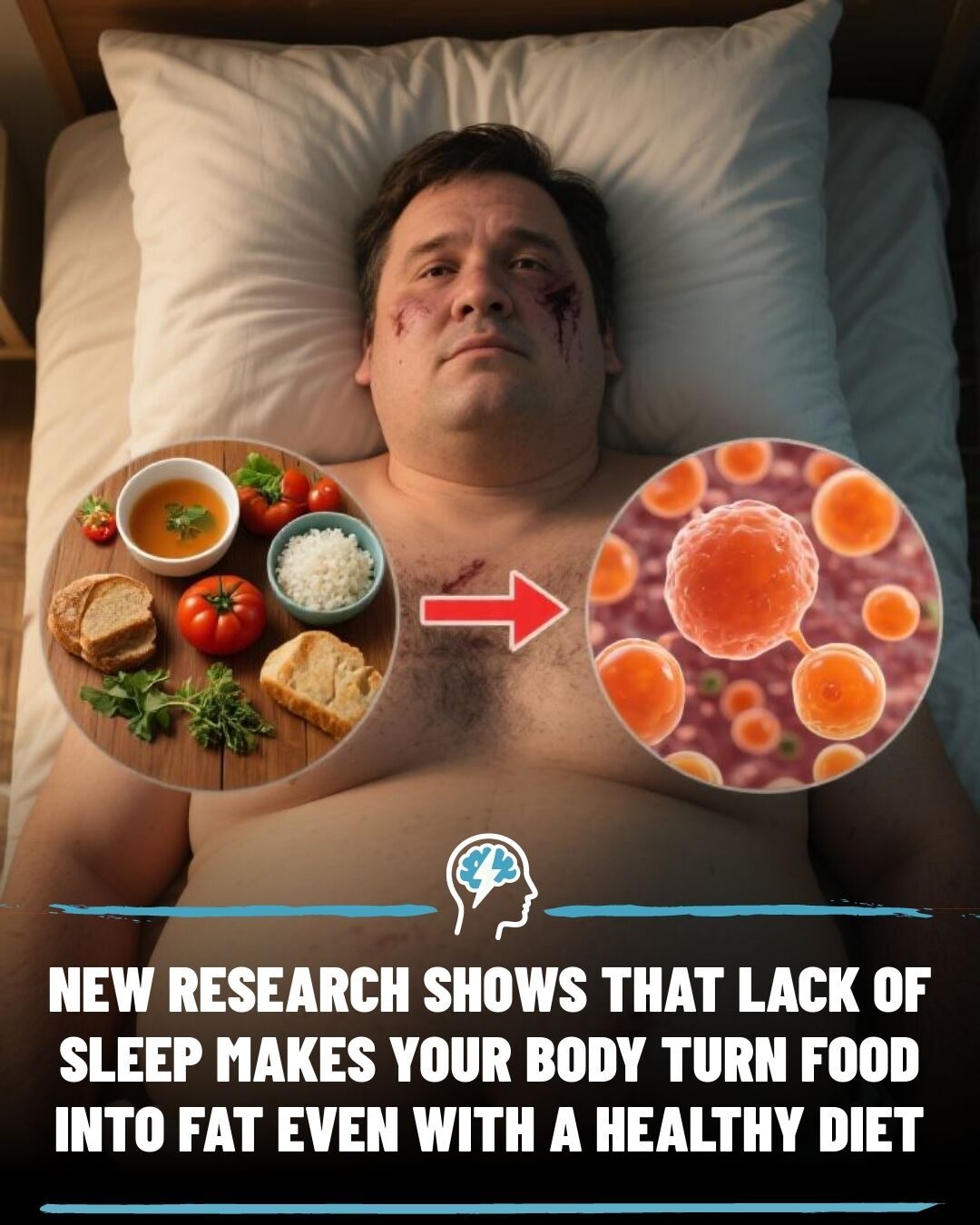
Sleep and diet are two critical components of a healthy lifestyle, and recent research highlights how they are intricately connected. Chronic sleep deprivation can significantly impact your body's ability to process food, regulate hunger, and store fat. This interaction goes beyond just feeling tired; it affects your metabolism and overall health.
Why This Matters
Understanding the interplay between sleep and diet is crucial for anyone looking to maintain or improve their health. Many people focus on diet and exercise but overlook the importance of adequate sleep. This oversight can undermine even the most well-planned diet and fitness regimes. By recognizing how sleep affects metabolism, you can make more informed decisions about your overall health and wellness.
How Sleep Affects Metabolism
Chronic sleep deprivation can alter how your body processes food, regulating hunger, and storing fat.
Hormonal Imbalances
When participants slept only 4 hours per night, their ghrelin (the hunger hormone) increased significantly while leptin (the satiety hormone) dropped. This hormonal shift can make you feel less satisfied after meals and more driven to eat. This imbalance can lead to overeating, even if caloric intake remains the same.
Elevated Cortisol Levels
Sleep restriction has been linked to elevated cortisol levels, particularly in the afternoon and evening. Cortisol is a stress hormone, and high levels can increase insulin secretion. This shift can push your body toward storing fat, especially in the abdominal area, rather than burning it.
Insulin Resistance
Your cells may also become less responsive to insulin when under-slept. In controlled studies, participants showed significantly impaired glucose tolerance during sleep restriction. This means blood sugar may be processed less efficiently, even when eating the same foods.
Research Findings
Several studies have highlighted these effects. For instance, research by Spiegel et al. (2004) demonstrated that sleep-deprived individuals had higher cortisol levels and impaired glucose tolerance. These findings underscore the importance of adequate sleep for metabolic health.
Practical Tips for Improving Sleep and Diet
Prioritize Sleep
Aim for 7 to 9 hours of sleep per night. Individual needs may vary, so pay attention to how you feel and adjust accordingly. Establishing a consistent sleep schedule can help regulate your body's internal clock and improve sleep quality.
Monitor Your Diet
While sleep is important, maintaining a balanced diet is equally crucial. Focus on nutrient-dense foods and avoid processed, high-sugar, and high-fat items. Eating a variety of fruits, vegetables, lean proteins, and whole grains can support overall health and metabolic function.
Manage Stress
Chronic stress can disrupt sleep and exacerbate the negative effects of sleep deprivation on metabolism. Incorporate stress-reduction techniques such as meditation, yoga, or deep-breathing exercises into your daily routine.
Important Takeaways
Sleep and diet work together to influence your overall health and metabolic function. Adequate sleep is essential for maintaining a healthy metabolism, regulating hunger, and preventing fat storage. If you're struggling with weight management or overall health, examining your sleep quality and duration may provide valuable insights.
Individual Differences
It's important to note that individual responses to sleep deprivation can vary based on genetics, stress levels, overall lifestyle, and many other factors. While sleep is a critical component of metabolic health, it's not a magic solution. A holistic approach that includes a balanced diet, regular exercise, and stress management is key to overall well-being.
Conclusion
Sleep and diet are deeply interconnected, and understanding this relationship can help you make more informed decisions about your health. Prioritizing adequate sleep, maintaining a balanced diet, and managing stress can support metabolic health and overall well-being. By recognizing the impact of sleep on your body's ability to process food and store fat, you can take proactive steps to improve your health and well-being.
Related deep dives
Similar reads based on topic and creator.




Recent articles
Fresh deep dives from the latest Reels we unpacked.




Comments
Be the first to comment.