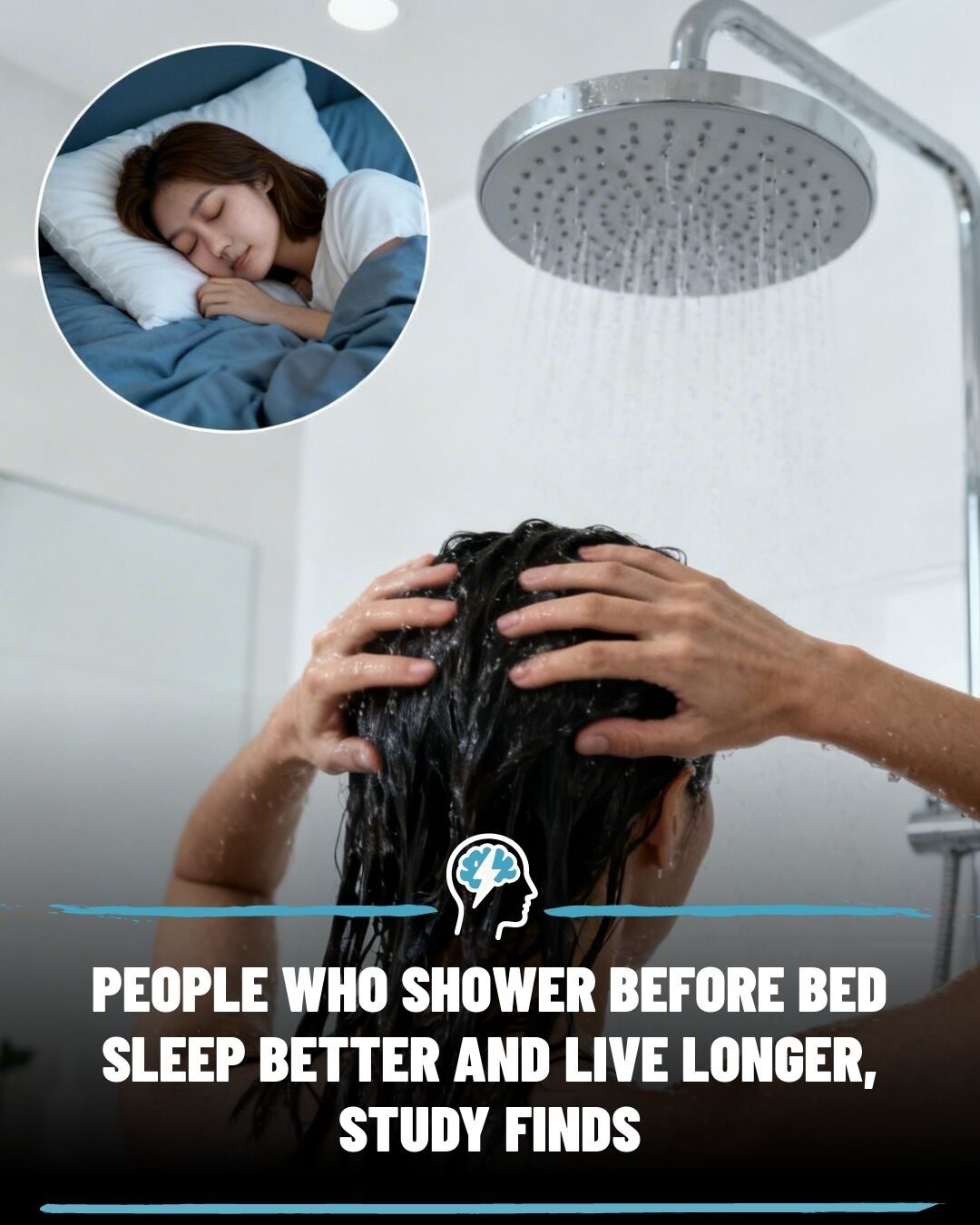
Warm Bedtime Showers: The Simplest Sleep Hack Backed by Science
A warm shower before bed might be one of the simplest yet most effective sleep hacks, backed by solid scientific research. The benefits of this night routine extend beyond just relaxation, impacting your sleep quality and even your overall longevity. This article explores the science behind why a warm shower before bed can help you fall asleep faster and enjoy better rest.
Why This Matters
Understanding the mechanisms that influence our sleep can significantly impact how we approach nightly routines. Proper sleep is crucial for overall physical and mental health. By implementing a warm shower before bed, you might be taking a small but meaningful step towards improving your sleep hygiene.
The Science Behind Warm Showers and Better Sleep
Circadian Rhythm and Body Temperature
Your body's internal clock, or circadian rhythm, is heavily influenced by changes in body temperature. As evening approaches, your core body temperature naturally declines. This drop signals to your brain that it's time to prepare for sleep. Using a warm shower can enhance this effect by briefly raising your body temperature and then promoting a more pronounced cooling effect. This cooling process is what aligns with your natural circadian rhythm and signals that it's time to sleep.
Peripheral Vasodilation
The process starts with peripheral vasodilation, where warm water touches your skin and causes your blood vessels, particularly in your extremities, to dilate. This allows heat to escape from your body more efficiently, resulting in a drop in your core body temperature. As your body cools down, melatonin production increases, aiding in the transition to sleep. This process mimics the natural cooling effect that often occurs before bedtime, helping to facilitate a smoother and faster transition into sleep.
Study Findings and Protocol
Research suggests that taking a warm shower or bath 1-2 hours before bedtime can significantly improve how quickly you fall asleep and the quality of your rest. One meta-analysis of 17 studies found that a warm bath or shower can reduce the time needed to fall asleep by approximately 36%. This means you could potentially fall asleep faster and enjoy deeper, more restful sleep.
To maximize the benefits, follow the protocol outlined by research:
- Water Temperature: Aim for around 40 to 42.5°C (104 to 108.5°F)
- Duration: 10 to 15 minutes
- Timing: 1 to 2 hours before bed, with 90 minutes being optimal
Benefits Beyond Sleep
In addition to the direct benefits on sleep quality, studies suggest a potential link between showering before bed and increased longevity. While the exact mechanisms behind this connection are not fully understood, it's thought that better sleep quality can lead to improved overall health, which in turn may contribute to a longer lifespan.
Practical Tips
Timing is Everything
The timing of your bedtime shower is crucial. Aim for 1 to 2 hours before bed, as this allows enough time for your body to cool down naturally. Taking a shower too close to bedtime might not give your body sufficient time to reach the optimal temperature for sleep.
Create a Relaxing Environment
Your bedroom environment plays a critical role in sleep quality. Ensure your bedroom is dark, quiet, and cool. Pairing a warm shower with a relaxing bedroom environment can enhance the overall effectiveness of this sleep hack.
Consistency is Key
Consistency is essential when it comes to sleep hygiene. Make the warm shower a part of your nightly routine to reap the benefits over time. It may take a few weeks to notice significant improvements, but consistent practice can lead to better sleep patterns.
Consider Overall Lifestyle Factors
While a warm shower before bed can significantly improve your sleep, it's important to consider other lifestyle factors that impact sleep quality. Factors like stress levels, diet, and exercise also play a role. Addressing underlying issues and maintaining good overall health can further enhance the benefits of this sleep hack.
When to Seek Professional Help
While a warm shower can be a helpful intervention, it's not a cure for sleep disorders. If you're dealing with chronic sleep problems, it's always best to consult a healthcare provider. They can help identify underlying issues and develop a more comprehensive treatment plan.
Important Takeaways
A warm shower before bed can be a simple yet effective way to improve your sleep quality. By aligning with your body's natural circadian rhythm and promoting peripheral vasodilation, a warm shower can help you fall asleep faster and enjoy deeper, more restful sleep. Research supports the effectiveness of this intervention, making it a valuable addition to your sleep hygiene routine. Keep in mind that while this sleep hack can be beneficial, it's not a replacement for addressing underlying sleep issues or other lifestyle factors that may impact your rest.
Conclusion
A warm shower before bed might just be one of the simplest yet most effective sleep hacks backed by science. By understanding the underlying mechanisms and incorporating this routine into your nightly schedule, you can enhance your sleep quality and potentially improve your overall health. Give it a try and experience the difference a simple warm shower can make in your sleep routine.
Questions readers ask
How does a warm bedtime shower help me fall asleep faster?
A warm bedtime shower raises your body temperature, which then drops slightly as you get out of the shower. This drop in temperature signals to your body that it is time to sleep, helping you fall asleep faster. This process is based on the body's natural circadian rhythms.
What is the ideal temperature for a bedtime shower?
The ideal temperature for a bedtime shower is around 104-109°F (40-43°C). This range is warm enough to raise your body temperature, but not so hot that it causes discomfort or disrupts your sleep.
When is the best time to take a warm shower for better sleep?
To maximize the sleep benefits, plan your warm shower about one hour before bed. This timing allows your body temperature to begin its natural decline, signaling that it's time to rest.
Can a warm shower improve the quality of my sleep?
Yes, a warm shower before bed can improve the quality of your sleep. Along with helping you fall asleep faster, it can also help you spend more time in deep sleep, which is crucial for physical renewal and mental restoration.
Is a warm shower before bed beneficial for everyone?
While a warm shower before bed can be beneficial for most people, it may not be suitable for everyone. Those with certain medical conditions, such as Raynaud's disease, should consult a healthcare professional before making it a regular part of their bedtime routine.
Related deep dives
Similar reads based on topic and creator.



Recent articles
Fresh deep dives from the latest Reels we unpacked.




Comments
Be the first to comment.