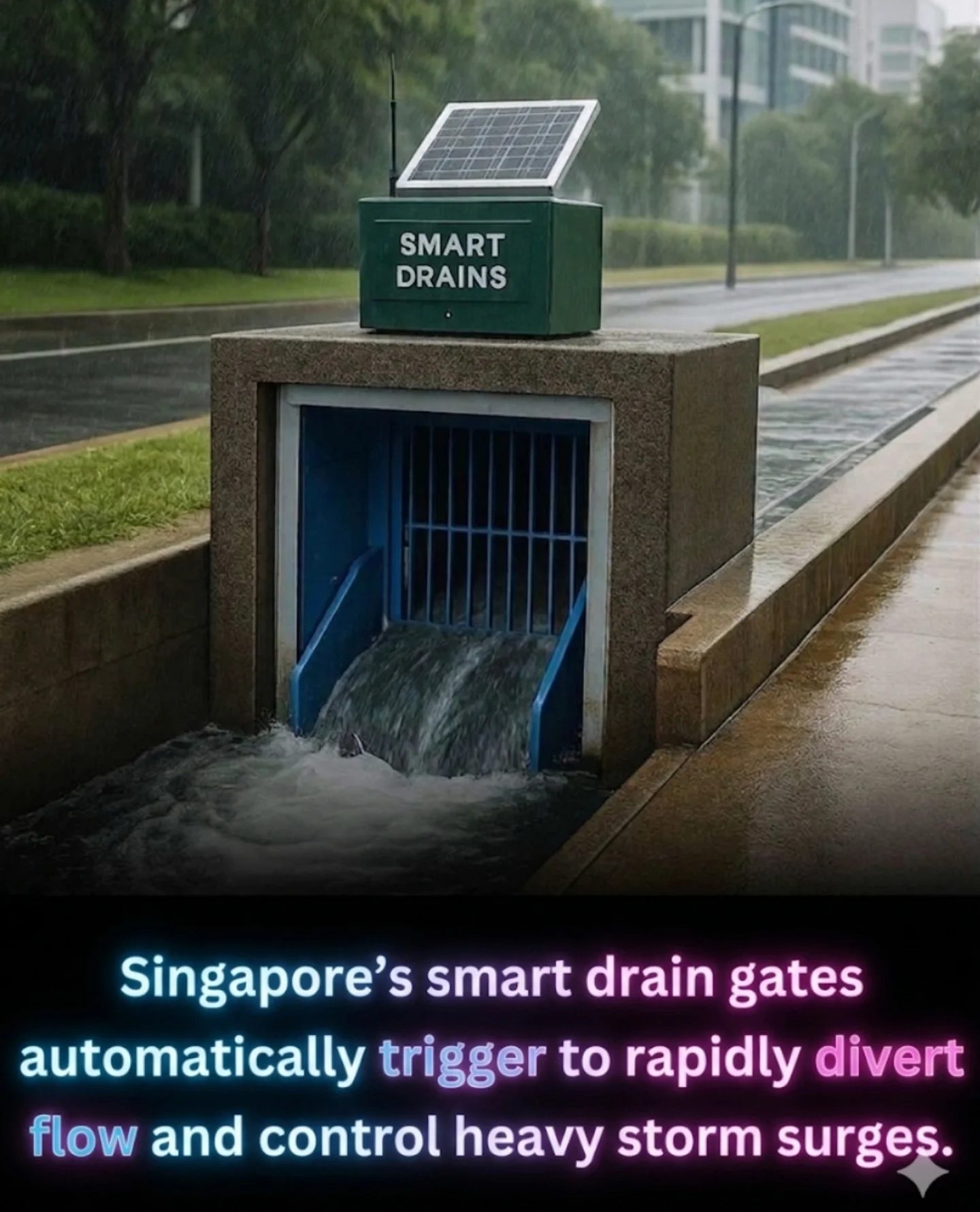
Smart Drain Gates: Singapore's Innovative Solution to Urban Flooding
Smart drain gates are a critical component of Singapore's advanced urban water management system. These automated drainage systems are designed to mitigate the risk of urban flooding, a common challenge in many densely populated cities. By rapidly diverting water flow during heavy storm surges, smart drain gates help protect urban landscapes and infrastructure.
Why This Matters
Urban flooding is a significant concern for cities worldwide, especially during intense monsoon seasons. Effective water management is essential to prevent property damage, disruption of daily life, and potential loss of life. Singapore's approach to urban water management, which includes the use of smart drain gates, serves as a model for other cities grappling with similar challenges. By integrating advanced technology and data analytics, Singapore has developed a sophisticated system that not only responds to immediate threats but also predicts and prepares for future events.
Understanding Smart Drain Gates
What are Smart Drain Gates?
Smart drain gates are automated drainage systems equipped with sensors and control mechanisms that allow them to operate without human intervention. These gates are strategically placed in urban areas to manage water flow during heavy rainfall. When water levels rise, the gates automatically trigger to divert excess water into designated channels, reservoirs, or retention tanks, thereby preventing flooding.
Key Components
The smart drain gate system in Singapore is managed by the Public Utilities Board (PUB) and includes several key components:
- Electronic Water Level Sensors: Over 300 of these sensors are distributed across the island to monitor water levels in real-time.
- Automated Gate Systems: These systems respond to data from the sensors, rapidly diverting water flow as needed.
- Data Analytics: The system uses advanced analytics to predict flood risks and manage water flow efficiently.
- Retention Tanks: Underground tanks, such as the Stamford Detention Tank, store excess water to reduce the risk of overflow.
How They Work
During intense monsoon rainfalls, the smart drain gates system dynamically gathers data from the water level sensors. This data is analyzed to predict flood risks and determine the best course of action. The gates are designed to open and close quickly, allowing water to be diverted into canals, reservoirs, or retention tanks. This dynamic response helps manage water flow efficiently, protecting the urban landscape from flash floods.
Practical Tips for Implementing Smart Drain Gates
Implementing a smart drain gate system in your city requires careful planning and integration of advanced technology. Here are some practical tips to get you started:
Conduct a Thorough Assessment
Before installing smart drain gates, conduct a comprehensive assessment of your city's drainage infrastructure. Identify areas prone to flooding and determine the best locations for the gates. Consider factors such as water flow patterns, soil composition, and existing drainage systems.
Invest in Advanced Technology
Investing in advanced technology is crucial for the success of a smart drain gate system. This includes electronic water level sensors, automated gate systems, and data analytics software. Ensure that all components are compatible and can communicate effectively to provide real-time data and automated responses.
Develop a Robust Data Analytics Framework
A robust data analytics framework is essential for predicting flood risks and managing water flow. Collaborate with experts in data science and urban planning to develop a system that can dynamically analyze data and make informed decisions. This will help you optimize the performance of your smart drain gates and enhance their effectiveness.
Engage with Local Communities
Engaging with local communities is important for the successful implementation of smart drain gates. Communicate the benefits of the system and address any concerns or questions. Involve community members in the planning and implementation process to ensure their support and cooperation.
Regular Maintenance and Upgrades
Regular maintenance and upgrades are necessary to keep the smart drain gate system functioning optimally. Schedule periodic inspections and maintenance checks to ensure that all components are in good working condition. Stay updated with the latest technological advancements and consider upgrading your system as needed.
Important Takeaways
Smart drain gates are a game-changer in urban water management, offering a proactive and efficient solution to urban flooding. By integrating advanced technology and data analytics, cities can enhance their resilience to heavy storm surges and protect their urban landscapes.
The Future of Urban Water Management
The success of Singapore's smart drain gate system highlights the potential of technology in urban water management. As cities continue to grow and face increasing challenges related to climate change and urbanization, smart solutions like these will become even more critical. By investing in advanced infrastructure and data analytics, cities can create sustainable water management systems that ensure the safety and well-being of their residents.
Building Resilient Cities
Building resilient cities requires a holistic approach to urban planning and infrastructure development. Smart drain gates are just one piece of the puzzle, but they play a crucial role in creating a robust and responsive water management system. By implementing such technologies, cities can better prepare for future challenges and safeguard their urban landscapes.
Conclusion
Smart drain gates are a revolutionary advancement in urban water management, offering a proactive and efficient solution to urban flooding. Singapore's innovative system, managed by the Public Utilities Board (PUB), serves as a model for cities worldwide. By investing in advanced technology, data analytics, and community engagement, cities can build resilient infrastructure that protects against the risks of urban flooding. Embracing these technologies will not only enhance the safety and well-being of residents but also pave the way for a more sustainable and resilient future.
Questions readers ask
How do Singapore's smart drain gates work?
Singapore's smart drain gates use a combination of sensors and data analytics to monitor water levels in real-time. When heavy rainfall is detected, the system automatically adjusts the gates to divert water flow, preventing overflow and potential flooding in urban areas.
What makes Singapore's smart drain gates different from traditional drainage systems?
Unlike traditional drainage systems that rely on manual operation or fixed mechanisms, Singapore's smart drain gates are automated and use intelligent data analytics. This allows for faster and more precise responses to changing weather conditions, enhancing overall flood protection.
How do smart drain gates contribute to urban flood management in Singapore?
Smart drain gates play a crucial role in managing urban flooding by quickly redirecting excess water during heavy storms. This helps to safeguard infrastructure, reduce property damage, and minimize disruptions to daily life, making them an essential part of Singapore's smart water management strategy.
Are smart drain gates powered by renewable energy in Singapore?
While the article does not specify the power source, Singapore is known for its commitment to sustainability. It is possible that some smart drain gates may be powered by renewable energy sources, such as solar power, aligning with the city's broader environmental goals.
Can other cities implement similar smart drain gate systems?
Yes, other cities can learn from Singapore's approach and implement similar smart drain gate systems. The key is to invest in advanced sensor technology, data analytics, and automated control systems to enhance urban flood management and protect against storm surges.
What kinds of sensors are typically used in smart drain gates?
Smart drain gates typically use a variety of sensors, including water level sensors, rain gauges, and flow meters. These sensors collect real-time data, which is then analyzed to make rapid adjustments to the gates, ensuring effective flood control during heavy rainfall.
Related deep dives
Similar reads based on topic and creator.




Recent articles
Fresh deep dives from the latest Reels we unpacked.




Comments
Be the first to comment.