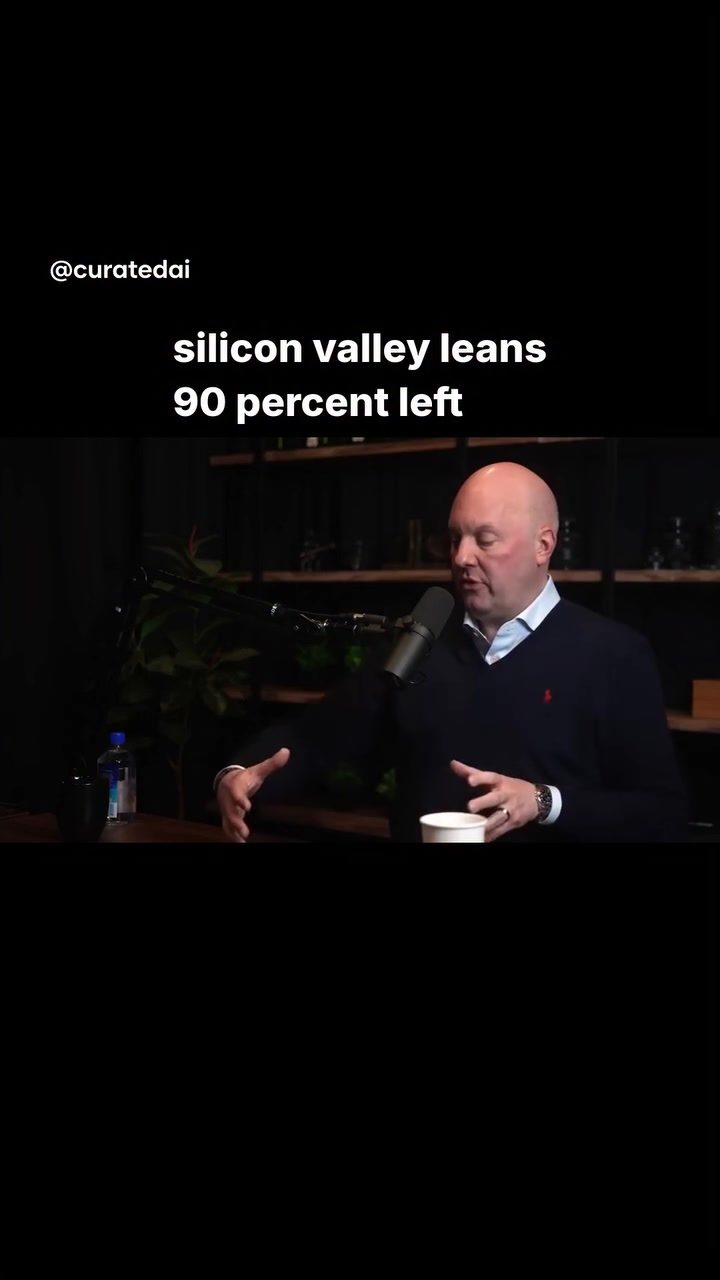
Silicon Valley's Political Leanings and the Impact of Recent Events
Silicon Valley, the global epicenter of technology and innovation, is often discussed in terms of its economic and cultural influence. However, the region's political leanings are also a subject of significant interest. Silicon Valley has historically been an overwhelmingly Democratic stronghold, with voting records and political donations consistently reflecting this dominance. This topic gained attention during a podcast discussion by Marc Andreessen, a prominent venture capitalist and co-founder of Andreessen Horowitz, on the Lex Fridman Podcast.
Context / Why This Matters
The political leanings of Silicon Valley are crucial for understanding the broader dynamics of American politics and policymaking. The tech industry's influence extends far beyond the confines of the region, affecting everything from national security to environmental policy. Recognizing the political orientation of the Valley's key players can provide insights into how legislative decisions are likely to be influenced, especially those related to technology and innovation.
Political Leanings and Donations
One of the primary ways to gauge the political leanings of a region is through voting records. Historically, Silicon Valley has been predominantly Democratic. This trend is evident in both the voting patterns and political donation records. Voting records consistently show that a significant majority of the Valley's residents lean towards the Democratic Party. This is corroborated by political donation records, where donations from the Valley range from 90% to 99% in favor of Democratic candidates.
These political leanings are not just theoretical but manifest in practical terms. The Valley's political influence comes into play when considering legislation and policy decisions. For example, the tech industry's stance on issues like net neutrality, data privacy, and artificial intelligence development can significantly impact national policies and regulations.
The Impact of Recent Events
Recent events, such as the devastating fires in Los Angeles, have brought new dimensions to the political landscape. The fires, which have had catastrophic consequences, have prompted a rightward shift in the political views of some residents. While the immediate concern is the safety and well-being of families, the long-term effects on political leanings are also noteworthy. People who have lost their homes and faced existential threats may reevaluate their political priorities, potentially shifting towards more conservative views.
This shift is not isolated to Los Angeles but is part of a broader trend in big cities across California. The catastrophic impact of natural disasters, combined with the ongoing debates over housing, immigration, and economic policies, has led to a reevaluation of political stances. It is crucial to note that this shift is not just about political affiliation but also about the broader societal and economic implications of such events.
Political Influence in the Tech Industry
The political influence of Silicon Valley extends beyond voting and donations. The tech industry's leaders, including venture capitalists, entrepreneurs, and influential figures like Marc Andreessen, play a pivotal role in shaping public discourse and policy. Their advocacy for specific issues, such as immigration reform, technology regulation, and environmental sustainability, can have far-reaching effects.
Marc Andreessen's discussion on the Lex Fridman Podcast highlighted the significance of understanding the Valley's political leanings. Andreessen, known for his insights into the tech industry and venture capital, provided a nuanced perspective on how the political landscape in Silicon Valley might evolve. He emphasized the importance of looking at both voting records and political donations to gauge the region's overall political orientation.
The Intersection of Politics and Technology
The intersection of politics and technology is a critical area of study. As the tech industry continues to grow, so does its influence on political decision-making. Understanding the political leanings of key players in the tech industry can provide valuable insights into how future policies might be shaped. For example, issues like data privacy, artificial intelligence, and cybersecurity are at the forefront of legislative debates. The tech industry's stance on these issues can significantly influence how regulations are drafted and implemented.
Silicon Valley's political leanings also impact the global landscape. The Valley's influence extends far beyond the United States, affecting technology policies and innovations worldwide. For instance, the region's stance on climate change and environmental sustainability can influence global policies and standards.
Practical Tips for Engaging with Silicon Valley's Political Landscape
For those interested in understanding and engaging with Silicon Valley's political landscape, here are some practical tips:
-
Follow Key Players: Keep an eye on influential figures in the tech industry, such as Marc Andreessen, and follow their discussions and opinions on political matters. Their insights can provide valuable perspectives on the region's political leanings.
-
Analyze Voting Records and Donations: Use public records and data sources to analyze voting patterns and political donations. This can give you a clear picture of the region's political orientation and how it might evolve.
-
Stay Updated on Current Events: Pay attention to current events and how they impact the political landscape. For example, natural disasters, economic crises, and policy debates can all influence political leanings and priorities.
-
Engage in Public Discourse: Participate in public discussions and debates related to the tech industry and its political influence. This can help you gain a deeper understanding of the issues at play and how they are perceived by different stakeholders.
Important Takeaways
Understanding Silicon Valley's political leanings is essential for comprehending the broader dynamics of American politics and policymaking. The region's overwhelmingly Democratic orientation, as evidenced by voting records and political donations, has significant implications for legislation and policy decisions. Recent events, such as the fires in Los Angeles, have brought new dimensions to the political landscape, potentially leading to a rightward shift in some residents' views.
The tech industry's influence extends far beyond the region, affecting global policies and standards. Engaging with the discussions and insights of key players, such as Marc Andreessen, can provide valuable perspectives on how the political landscape might evolve. Staying updated on current events and participating in public discourse are crucial for gaining a deeper understanding of the issues at play.
Conclusion
Silicon Valley's political leanings are a critical aspect of understanding the tech industry's influence on national and global policies. By analyzing voting records, political donations, and the insights of key players, one can gain a clearer picture of how the region's political orientation might evolve. As the tech industry continues to grow, its influence on political decision-making will only become more significant, making it essential to stay informed and engaged.
Questions readers ask
What are the predominant political leanings in Silicon Valley?
Silicon Valley is well-known for its strong Democratic leanings. This is evident in both voting records and political donations, which consistently favor liberal candidates and causes, as discussed in recent podcasts.
How does Silicon Valley's political climate influence national policies?
Given its status as a global tech hub, Silicon Valley's political leanings significantly impact national policies, particularly in areas related to technology and innovation. The region's influence can shape legislation and regulations in these sectors.
What insights did Marc Andreessen share about Silicon Valley's politics on the Lex Fridman Podcast?
Marc Andreessen, a prominent venture capitalist, highlighted the predominantly Democratic nature of Silicon Valley. He discussed how the region's political leanings are reflected in voting records and donations, and how these factors shape the broader political landscape and policies.
Why does Silicon Valley lean so strongly to the left?
The left-leaning political climate in Silicon Valley can be attributed to several factors, including the region's emphasis on innovation, diversity, and social progress. These values often align with Democratic policies, leading to a concentration of Democratic voters and donors in the area.
How do political donations from Silicon Valley impact the tech industry and national policies?
Silicon Valley's substantial donations to Democratic candidates and causes can influence policy decisions that affect the tech industry and broader national policies. These financial contributions help shape the regulatory environment and can steer legislation in favor of the tech sector's interests.
What role do voting records play in understanding Silicon Valley's political leanings?
Voting records provide clear evidence of Silicon Valley's political leanings. The consistent support for Democratic candidates in local, state, and national elections underscores the region's alignment with liberal policies and Democratic values.
Related deep dives
Similar reads based on topic and creator.




Recent articles
Fresh deep dives from the latest Reels we unpacked.




Comments
Be the first to comment.