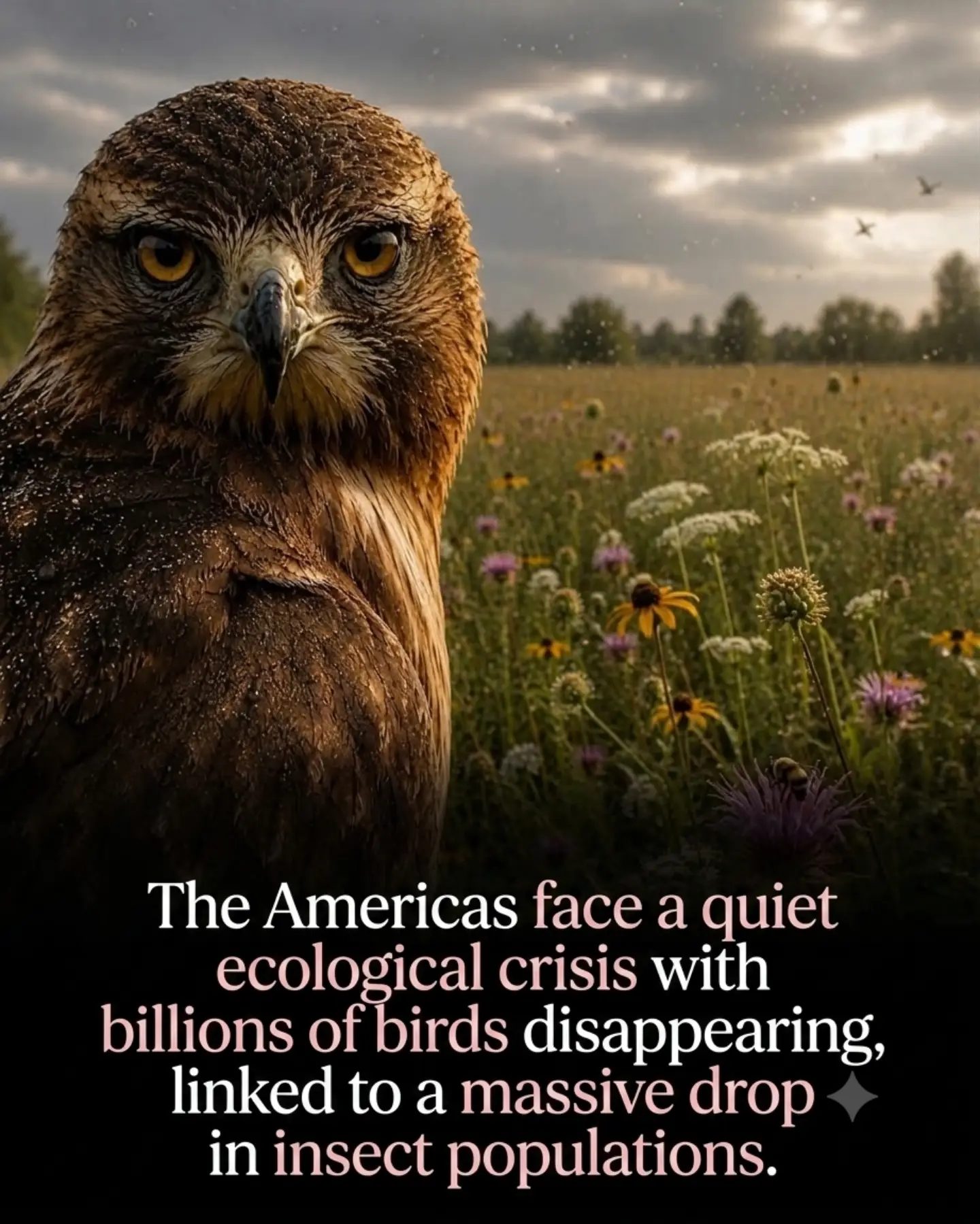
The Americas Face a Quiet Ecological Crisis: The Disappearance of Billions of Birds
The Americas are experiencing a silent ecological crisis. Over the past few decades, billions of birds have vanished from the skies, and the decline in insect populations is a significant contributing factor. This phenomenon is not just a concern for bird enthusiasts; it has far-reaching implications for the health of our ecosystems.
The fact that billions of birds are disappearing may seem astonishing, but it is a well-documented phenomenon. Studies have shown that bird populations in the Americas have declined by billions in the past few decades. The causes are multifaceted, including habitat loss, pesticide use, and climate change. However, one of the most alarming factors is the dramatic drop in insect populations. Insects serve as a primary food source for many bird species, and their decline has left many birds struggling to find sustenance.
Why This Matters
The decline in bird and insect populations is a critical issue with far-reaching consequences. Birds play a vital role in ecosystems by pollinating plants, controlling pest populations, and dispersing seeds. Insects, in turn, are essential for pollination, nutrient cycling, and serving as a food source for countless species. The loss of these key components can disrupt the delicate balance of ecosystems, leading to a cascade of environmental problems.
The Interconnectedness of Ecosystems
Birds and insects are interconnected in ways that are often overlooked. The decline in bird populations is not just an issue of fewer feathers in the sky; it signifies a broader ecological disruption. For example, many insect species depend on birds for pollination, and birds rely on insects for food. This interdependency means that the decline of one affects the other, creating a vicious cycle of decline.
Economic and Cultural Impacts
Beyond the ecological consequences, the decline in bird and insect populations has economic and cultural implications. Birds are often seen as indicators of ecosystem health, and their disappearance can have economic impacts on industries such as agriculture and tourism. Culturally, many species hold significant symbolic and cultural value for various communities, making their decline a poignant loss.
The Role of Insect Populations
Insects are the backbone of many ecosystems, and their decline is a major factor in the disappearance of birds. Insects serve as a crucial food source for many bird species, and their populations have been decreasing at an alarming rate.
Factors Contributing to Insect Decline
Several factors contribute to the decline in insect populations, including:
- Habitat Loss: Urbanization and agricultural expansion have led to the destruction of natural habitats, reducing the availability of food and shelter for insects.
- Pesticide Use: The widespread use of pesticides in agriculture has decimated insect populations, leading to a dramatic reduction in the availability of food for birds.
- Climate Change: Changes in temperature and weather patterns can disrupt the life cycles of insects, making it harder for them to survive and reproduce.
- Light Pollution: Artificial light can disrupt the behavior and navigation of insects, affecting their ability to find food and mates.
These factors, combined with a host of others, have created a perfect storm for insect populations, leading to a decline that has cascading effects on bird populations and the broader ecosystem.
Practical Tips for Conservation
While the situation may seem dire, there are practical steps that individuals and communities can take to help mitigate the decline in bird and insect populations.
Creating Bird-Friendly Habitats
One of the most effective ways to support bird populations is to create bird-friendly habitats. This can include:
- Planting Native Plants: Native plants provide a natural food source for birds and insects, helping to support local ecosystems.
- Building Birdhouses and Nesting Boxes: Providing safe and secure places for birds to nest can help support breeding populations.
- Reducing Pesticide Use: Minimizing the use of pesticides can help protect insect populations, which in turn supports bird populations.
Supporting Conservation Efforts
Engaging in and supporting conservation efforts is another way to make a difference. This can include:
- Participating in Citizen Science Projects: Programs like the Great Backyard Bird Count and the Monarch Watch help gather valuable data on bird and insect populations, which can inform conservation efforts.
- Supporting Environmental Organizations: Donating to or volunteering with organizations that focus on bird and insect conservation can help fund research and conservation projects.
- Advocating for Policy Changes: Advocating for policies that protect habitats, reduce pesticide use, and address climate change can have a significant impact on bird and insect populations.
Important Takeaways
The disappearance of billions of birds in the Americas is a quiet ecological crisis that demands attention. The decline in insect populations is a significant contributor to this crisis, and the interconnectedness of these populations means that the decline of one has cascading effects on the other.
Ecosystem Health and Human Impact
The health of ecosystems and the species that inhabit them is closely linked to human well-being. The decline in bird and insect populations is a clear sign that our ecosystems are under stress, and taking action to address this issue is crucial for the health of both the environment and human societies.
Conclusion
The disappearance of billions of birds in the Americas is a stark reminder of the delicate balance of ecosystems. The decline in insect populations is a significant factor in this crisis, and addressing it requires a multifaceted approach that includes habitat conservation, reduced pesticide use, and support for conservation efforts. By taking action, we can help mitigate the decline in bird and insect populations and support the health of our ecosystems for future generations.
Related deep dives
Similar reads based on topic and creator.




Recent articles
Fresh deep dives from the latest Reels we unpacked.




Comments
Be the first to comment.