The Environmental Impact of Plastic Bags
Plastic bags are ubiquitous in daily life, offering convenience at the cost of significant environmental harm. Their fleeting usefulness is overshadowed by a devastating long-term ecological impact. Understanding this impact is crucial for mitigating the damage caused by single-use plastics.
Why This Matters
The environmental impact of plastic bags is a growing concern. These bags, designed for short-term use, persist in the environment for hundreds of years. This longevity means that every plastic bag used contributes to a growing problem of plastic pollution. Wildlife is particularly at risk, often entangled or ingesting plastic debris, leading to injury or death. The stark contrast between the brief convenience of plastic bags and their enduring environmental impact highlights the need for awareness and action.
The Lifecycle of a Plastic Bag
Short-Term Convenience
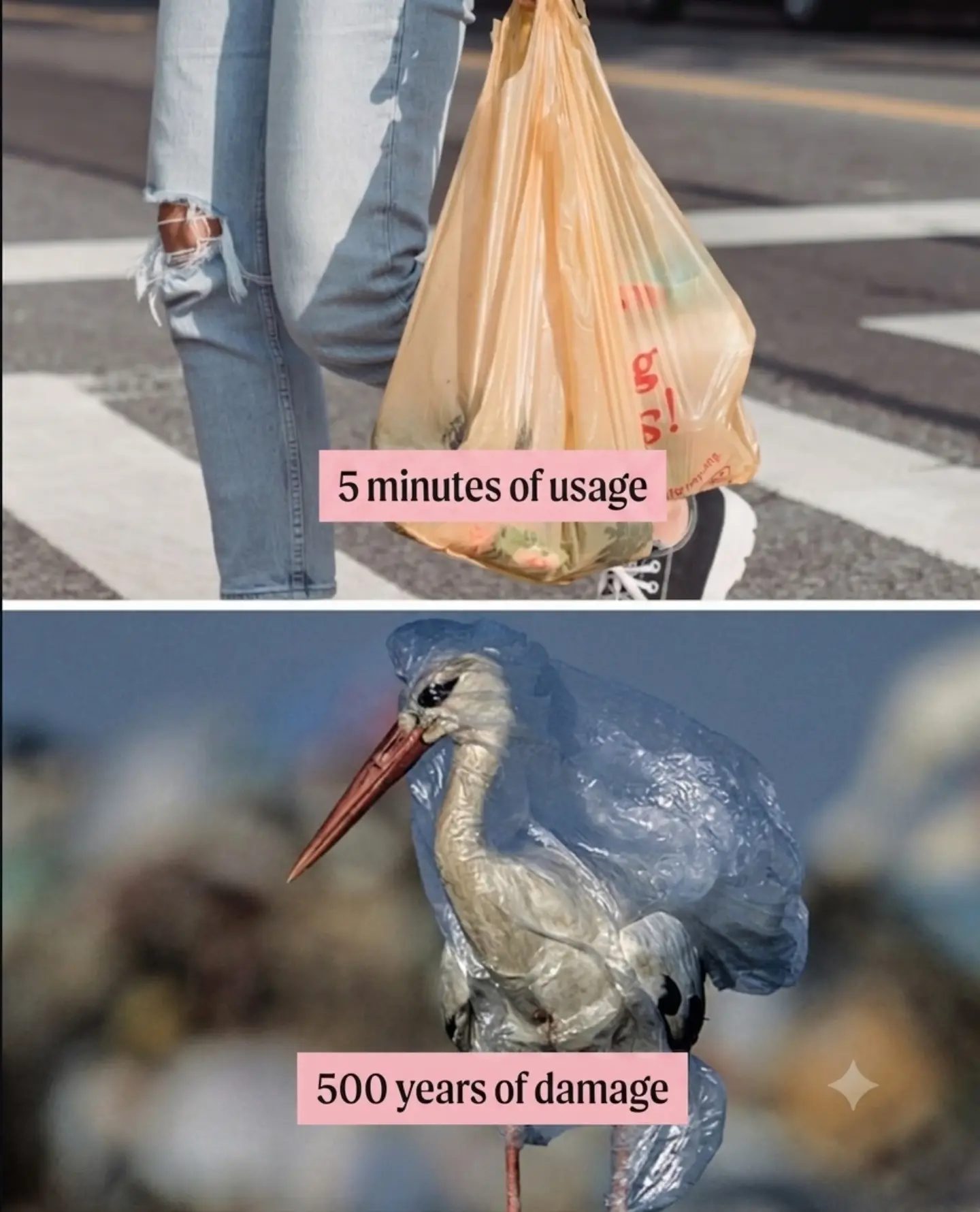
Plastic bags are often used for mere minutes, typically to carry groceries or other purchases from the store to the car or home. This convenience is highlighted in the visual comparison showing a person holding a plastic bag with the text '5 minutes of usage.' This brief period of use is fundamental to the appeal of plastic bags, offering a quick and easy solution to the immediate need to transport goods.
Long-Term Environmental Impact
While the convenience of plastic bags is immediate, the environmental consequences are long-lasting. Plastic waste does not biodegrade quickly; instead, it breaks down into smaller pieces over hundreds of years. This persistence means that plastic bags left in landfills or discarded in the environment continue to cause damage long after their useful life has ended. The second panel of the comparison, depicting a bird entangled in a plastic bag with the text '500 years of damage,' underscores this stark reality. This visual starkly represents the enduring ecological footprint of plastic pollution.
The Ecological Impact of Plastic Bags
Wildlife Risks
Plastic bags pose a significant threat to wildlife. Birds, marine animals, and other creatures often mistake plastic debris for food, leading to ingestion or entanglement. The entanglement can result in injuries, dehydration, starvation, and even death. The image of a bird trapped and suffocated by a plastic bag in a landfill is a poignant reminder of the direct threat that plastic pollution poses to wildlife survival.
Land and Water Pollution
Plastic bags contribute to both land and water pollution. When discarded, they often end up in landfills, where they take up space and release harmful chemicals into the soil. In urban and natural environments, plastic bags can be carried by winds or water currents, contributing to litter and pollution in parks, beaches, and waterways. As the plastic breaks down, it releases microplastics, which can be ingested by animals and accumulate in the food chain, affecting ecosystems and human health.
Practical Tips to Reduce Plastic Bag Use
Use Reusable Bags
One of the most effective ways to reduce the environmental impact of plastic bags is to use reusable bags. These can be made from various materials, including cloth, canvas, or recycled plastic, and are designed to last for many uses. By carrying reusable bags, individuals can significantly reduce their reliance on single-use plastic bags, thereby minimizing plastic waste.
Bring Your Own Bag
Making a conscious effort to bring your own bag when shopping is a simple yet powerful step. Many stores now offer discounts or incentives for customers who bring their own bags, making it a habit worth cultivating. Keeping reusable bags in the car or near the door can serve as a reminder to bring them along on shopping trips.
Support Plastic Bag Bans and Regulations
Advocating for and supporting regulations that ban or limit the use of single-use plastic bags can make a significant difference. Many communities and countries have implemented such bans, leading to a reduction in plastic waste. Encouraging local governments and businesses to adopt similar policies can help create a broader cultural shift away from disposable plastics.
Recycle and Properly Dispose of Plastic Bags
While recycling is not a perfect solution, it can help reduce the amount of plastic waste that ends up in landfills and the environment. Some plastic bags are recyclable and can be returned to participating stores for proper disposal. Ensuring that plastic bags are disposed of correctly can help minimize their environmental footprint.
Important Takeaways
The stark contrast between the brief convenience of plastic bags and their long-term environmental impact underscores the urgent need for awareness and action. Plastic bags, while useful for short periods, persist in the environment for hundreds of years, causing significant harm to wildlife and contributing to land and water pollution. By using reusable bags, supporting regulations, and properly disposing of plastic bags, individuals can play a crucial role in mitigating the environmental impact of plastic pollution.
Conclusion
Plastic bags, while convenient, have a severe and lasting impact on the environment. Their fleeting usefulness does not justify the environmental degradation they cause. Recognizing the true ecological cost of plastic pollution is the first step toward meaningful change. By making conscious choices and supporting policies that reduce plastic waste, individuals and communities can work together to protect wildlife and preserve the environment for future generations.
Questions readers ask
How long do plastic bags last in the environment?
Plastic bags can take up to 500 years to degrade, meaning that every single-use bag contributes to long-term environmental pollution. This longevity far outweighs their brief convenience, leading to persistent environmental harm.
What are the environmental impacts of plastic bags on wildlife?
Plastic bags pose a significant threat to wildlife, as animals can become entangled in them, leading to injury or death. Additionally, animals may ingest plastic debris, causing internal damage, and even death. This harm is a direct result of the widespread use and improper disposal of plastic bags.
Why is plastic bag disposal a concern for landfills?
Plastic bags are not biodegradable, so they do not break down in landfills. They occupy space for centuries, contributing to overflow and associated environmental issues. Moreover, plastic bags can escape from landfills and litter the environment, causing further harm.
How can I reduce my usage of plastic bags?
To reduce your reliance on plastic bags, use reusable bags for shopping. Encourage others to do the same, and support initiatives that promote alternatives to single-use plastics. These actions can significantly decrease the amount of plastic waste generated.
What are the long-term effects of plastic bags on ecosystems?
The long-term effects of plastic bags on ecosystems are profound. They contribute to habitat destruction, soil degradation, and water pollution. The accumulation of plastic waste can also alter ecosystems, disrupting the natural balance and posing threats to various species.
Why should I care about the convenience of plastic bags?
While plastic bags offer convenience, their environmental consequences cannot be overlooked. The brief convenience of using a plastic bag is outweighed by the long-term ecological damage. By being mindful of this impact, you can make more sustainable choices that benefit the environment.
Related deep dives
Similar reads based on topic and creator.




Recent articles
Fresh deep dives from the latest Reels we unpacked.




Comments
Be the first to comment.